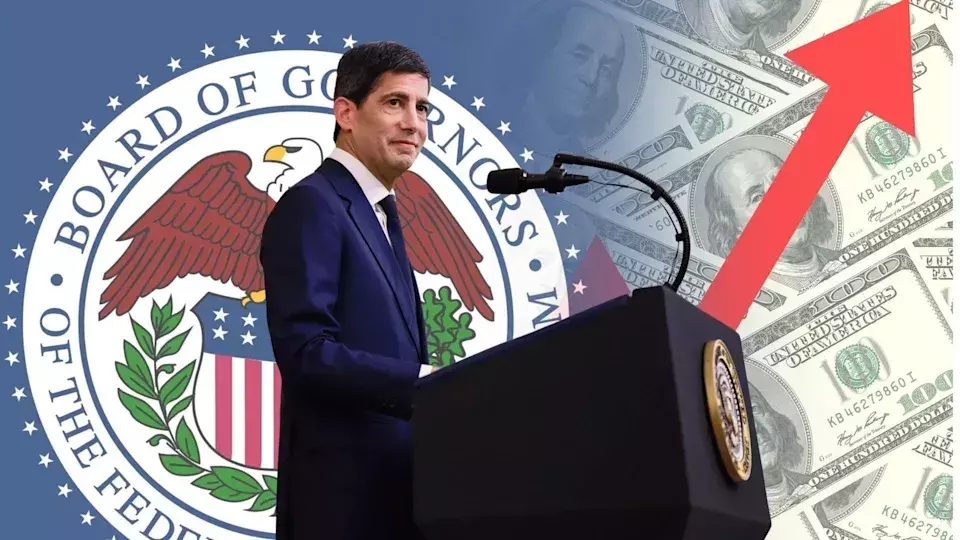
Federal Reserve's Stance on Interest Rate Hikes Strengthens Amidst Inflation Concerns
The Federal Reserve's recent decision to keep interest rates steady might seem like a pause in the battle against rising prices. However, a closer look reveals that the central bank, guided by Chair Kevin Warsh, is increasingly concerned about ongoing inflation, particularly as energy costs become more unpredictable. While recent inflation data showed some improvement, this was largely attributed to a temporary dip in gasoline prices, a trend that appears to be reversing. With key economic indicators like oil prices and consumer spending showing renewed upward pressure, the upcoming Federal Open Market Committee meeting in September is poised to be a critical juncture, potentially leading to further rate increases.
Despite the recent hold on interest rates, the Federal Reserve's tone has become noticeably more hawkish. Chair Warsh's characterization of internal discussions as a "good family fight" underscores the growing internal consensus for tighter monetary policy. A significant portion of regional bank presidents are already pushing for rate hikes, indicating a potential shift in the committee's stance. This internal debate, combined with external economic factors, suggests that the path forward for interest rates may be upward, challenging the notion that the fight against inflation is nearing its end.
Energy Prices and Inflation: A Precarious Balance
Recent inflation figures, while appearing positive on the surface, largely masked underlying vulnerabilities, particularly concerning energy prices. The moderation in June's Personal Consumption Expenditures (PCE) inflation, dropping from 4.1% to 3.7%, was primarily a consequence of a substantial decrease in gasoline spending, totaling $48.1 billion less, during a fleeting period of calm in the Middle East. This singular factor significantly influenced the overall inflation landscape, creating an illusion of sustained progress. However, this relief is proving transient.
The brief respite in energy costs has ended, with escalating geopolitical tensions involving the U.S. and Iran driving crude oil prices back above $90 per barrel and gasoline surpassing $4 a gallon. This resurgence in energy costs is expected to reverberate throughout the economy, impacting transportation, manufacturing, and consumer spending, thereby rekindling inflationary pressures. The reliance on fluctuating energy prices for inflation control is a precarious strategy, as any upward movement in oil can quickly unravel progress, underscoring the Fed's heightened apprehension about the future trajectory of inflation.
The Growing Momentum for Rate Hikes
Beyond the immediate inflation data, the Federal Reserve faces a complex economic environment characterized by conflicting signals. While second-quarter U.S. GDP growth slowed to 1.5% annually, below initial expectations, indicating a deceleration in economic momentum, consumer spending remains robust, and labor markets show resilience. This creates a difficult balancing act for policymakers: economic growth is cooling, yet inflation stubbornly remains above the Fed's 2% target. This divergence in economic indicators fuels the internal debate within the FOMC regarding the appropriate monetary policy response.
The growing hawkish sentiment within the Fed is evident from the fact that three of the nine voting regional bank presidents already advocate for immediate interest rate hikes. This suggests that support for tighter policy is expanding beyond a minority view. With a nearly two-month window before the next FOMC meeting in September, policymakers will closely scrutinize upcoming inflation, employment, and energy-price data. If oil prices remain elevated, gasoline costs continue to climb, and consumer demand stays strong, it is increasingly probable that more officials will shift towards advocating for further rate increases, making the September meeting a potential turning point for monetary policy.
