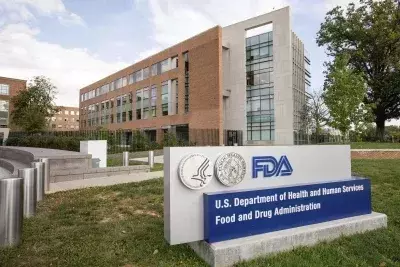
FDA Streamlines Gene Therapy Approvals for Rare Diseases
The Food and Drug Administration (FDA) recently unveiled a groundbreaking policy designed to expedite the availability of advanced therapeutic options for individuals afflicted with exceptionally rare medical conditions. This new framework aims to streamline the approval process for gene therapies, particularly those employing sophisticated techniques like gene-editing, by focusing on the plausible biological mechanisms of action rather than requiring extensive traditional clinical trials. This move is poised to revolutionize how personalized medicine reaches patients who previously faced immense delays and limited treatment prospects due to the scarcity of their specific disorders.
For many years, families grappling with ultra-rare diseases were met with a stark reality: insufficient patient numbers made conventional research and drug development economically unviable and logistically challenging. The traditional lengthy approval timelines were often insurmountable barriers. However, with the advent of this new FDA directive, a paradigm shift is underway. Health and Human Services Secretary Robert F. Kennedy Jr. underscored the significance of this policy, stating that the era of waiting for science to catch up is over, and individualized medicine is now a tangible reality.
FDA Commissioner Marty Makary acknowledged the historical oversight of rare diseases within the agency, highlighting the considerable progress made in recognizing and addressing their unique challenges. The revised approach, initially outlined in November, will apply to conditions where there is a strong scientific basis to believe a treatment will be effective, such as a clear understanding of the underlying genetic defect and how the proposed therapy will correct it. Dr. Tracy Beth Høeg, Director of the FDA's Center for Drug Evaluation and Research, expressed immense enthusiasm for this development, noting its potential to bring hope to countless patients.
Scientists are increasingly leveraging gene-editing technologies, such as CRISPR, to develop targeted interventions for genetic blood disorders like sickle cell disease, as well as exploring their potential for treating cancers, inherited high cholesterol, and certain forms of genetic blindness. Despite this progress, a significant hurdle has been the lack of financial incentive for pharmaceutical companies to invest in treatments for extremely rare disorders, which collectively affect millions of Americans. This economic disincentive often leads to a lengthy and arduous regulatory pathway for individual cases.
To overcome these challenges, researchers have been working on developing standardized templates for groups of similar rare conditions, enabling a more efficient adaptation of gene-editing treatments across different but related disorders. This approach bypasses the need for individual, protracted regulatory reviews, making therapies more accessible and affordable. The FDA's new policy directly addresses this need, inspired in part by a remarkable case at the Children's Hospital of Philadelphia where doctors successfully treated an infant with a devastating genetic liver disorder using a bespoke gene-editing therapy.
Dr. Kiran Musunuru, a professor of translational research at the University of Pennsylvania who helped develop the groundbreaking treatment for the Philadelphia infant, emphasized the replicability of this success. He foresees a future where this individualized therapeutic approach can be widely applied, benefiting numerous patients. Dr. Rebecca Ahrens-Nicklas, one of the CHOP physicians involved, echoed this sentiment, stressing the importance of innovative regulatory frameworks that ensure both the safety and efficacy of these cutting-edge treatments. The new FDA policy, applicable to various advanced technologies including antisense oligonucleotides, has garnered widespread acclaim from external experts.
Fyodor Urnov of the University of California, Berkeley, hailed the guidance as a catalyst for personalized gene editing, envisioning a future where treatments for complex genetic disorders can be developed and delivered more rapidly and affordably. While celebrating this progress, some experts, like Rachel Sachs, a law professor at Washington University in St. Louis, raised pertinent questions regarding the potential expansion of this policy. Sachs expressed concern that the "plausible mechanism" pathway might be applied to more common diseases where traditional trials are feasible, thereby potentially bypassing established rigorous testing protocols. Nonetheless, the overall sentiment remains one of optimism for the profound impact this policy will have on the landscape of rare disease treatment.
The recent announcement by the Food and Drug Administration signals a critical juncture in the treatment of rare genetic conditions. By embracing a more flexible and scientifically grounded approach to approving gene therapies, the FDA is fostering an environment where innovative, personalized treatments can reach those in desperate need with unprecedented speed. This policy shift acknowledges the unique challenges presented by rare diseases and paves the way for a future where medical science can offer tailored solutions, transforming the lives of countless patients and their families.
