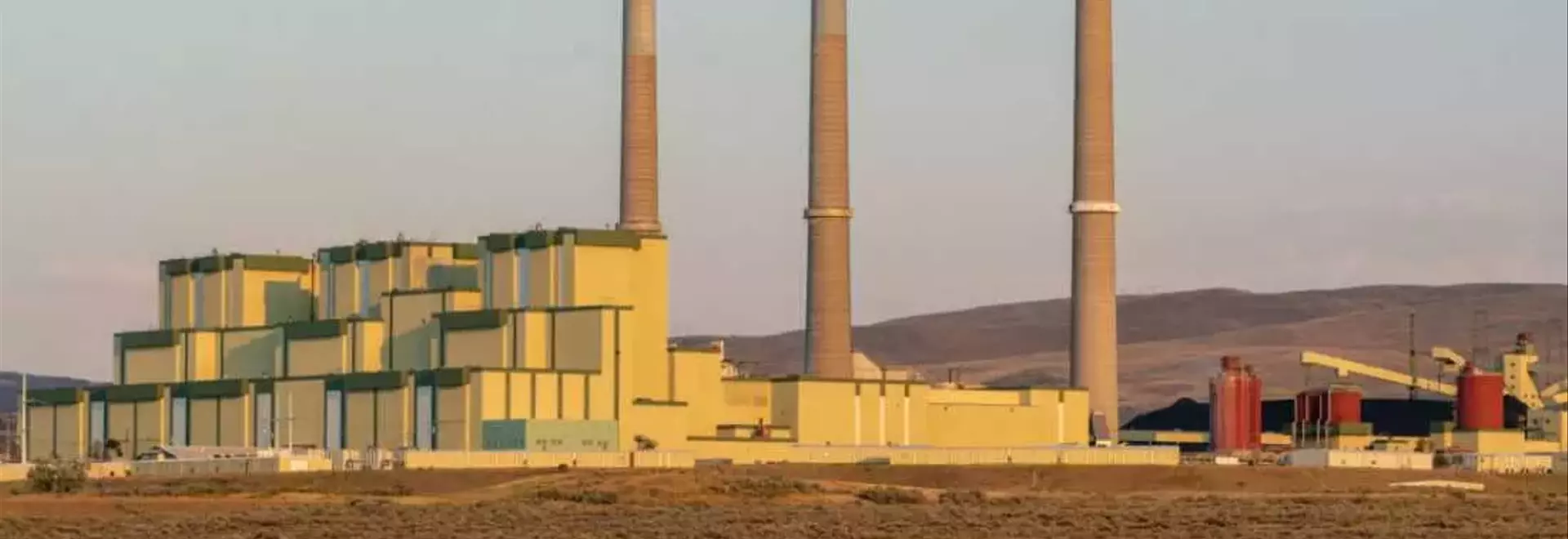
Federal Mandate on Coal Plant Sparks Legal Battle in Colorado
The federal government's contentious order to maintain operations at a Colorado coal-fired power station, despite its owners' intentions to retire it, has ignited a fierce debate. This directive is part of a broader administrative effort to revitalize the coal sector, a policy that directly clashes with economic and environmental trends favoring cleaner energy. The conflict underscores the intricate challenges in balancing energy security, economic viability, and environmental stewardship, prompting a legal challenge that could redefine the boundaries of federal authority in energy matters.
Federal Intervention and the Push for Coal
The current administration's proactive stance on supporting the coal industry is epitomized by its recent mandate preventing the closure of several coal-fired power units, including one in Colorado. This policy initiative stems from a campaign promise to rejuvenate the coal sector and has been marked by symbolic gestures, such as the presentation of a 'Clean Coal Champion' award and executive orders directing federal entities to increase coal power consumption. These actions are framed by the administration as crucial for national defense, energy cost reduction, and grid stability, directly contrasting with the prevailing market forces that have led to a significant decline in coal power generation over the past two decades.
This renewed emphasis on coal comes at a time when utility companies across the U.S. have been steadily decommissioning coal plants, opting instead for more economically competitive and environmentally friendly alternatives like wind, solar, and natural gas. This transition has notably contributed to a reduction in carbon emissions and air pollution nationwide. The federal government's intervention, particularly its use of emergency powers under the Federal Power Act, is perceived by many as an unprecedented overreach. Historically, this authority was reserved for genuine crises, not to reverse market-driven energy transitions. Critics argue that these mandates force utilities to incur unnecessary expenses by maintaining outdated infrastructure, thereby hindering progress towards a cleaner energy future and potentially burdening consumers with higher costs.
Local Opposition and Legal Ramifications
The order to keep Craig Station Unit 1 operational has been met with significant resistance from its owners, the Tri-State Generation and Transmission Association and the Platte River Power Authority, as well as Colorado's Attorney General and various environmental organizations. These entities contend that the federal directive is not only unnecessary but also unconstitutional, amounting to an 'uncompensated taking' of private property. The utilities highlight their long-standing plans to retire the unit by the end of 2025, a decision made based on economic feasibility and compliance with environmental regulations, with significant investments already made in renewable energy alternatives to replace the coal plant's capacity. The forced continuation of operations incurs substantial costs for purchasing coal and maintaining the facility, expenses that critics argue will ultimately be passed on to ratepayers, effectively making them pay twice: once for the new renewable sources and again for the mandated coal power.
Legal experts and environmental advocates are closely watching the ongoing legal challenges, particularly a similar case in Michigan. The outcome of these lawsuits could have far-reaching implications, potentially setting a precedent for the extent of federal authority over state and private utility energy decisions. The core argument against the federal order is that no legitimate emergency exists to justify such an intervention; the retirement plans were part of a managed, strategic transition, not an unforeseen crisis threatening grid stability. This legal battle is poised to clarify the balance of power between federal energy mandates and the operational autonomy of utility companies, especially concerning the accelerate shift towards sustainable energy solutions.
