The Energy Demands of AI: A Looming Challenge and Emerging Opportunities
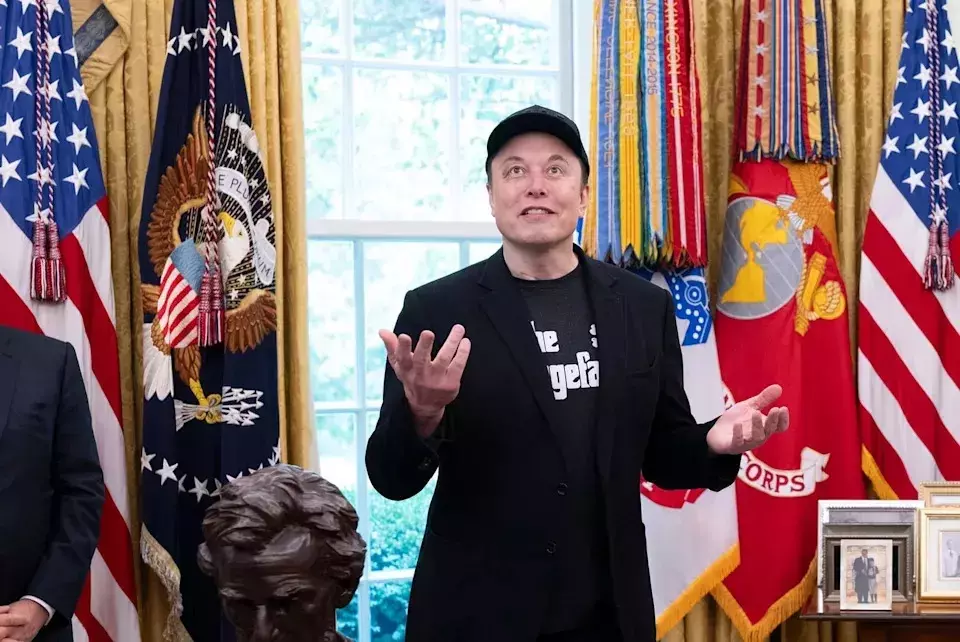
Elon Musk, the visionary leader behind Tesla and Space Exploration Corporation, has spotlighted a critical issue: the burgeoning electricity demands of artificial intelligence. He argues that AI's appetite for power may soon outstrip the current capacity of the U.S. power grid, a pronouncement that reverberates through technological and energy sectors alike. This challenge, while daunting, simultaneously unveils substantial prospects for those prepared to address it. Understanding this dynamic is key to navigating the future landscape of both AI development and energy infrastructure.
Artificial intelligence, despite its advanced capabilities, fundamentally relies on computational power, which in turn necessitates vast amounts of electricity. Recent events in states like New York and Texas, where AI data center construction has been decelerated due to power and water concerns, underscore the urgency of Musk's warning. For instance, Texas's Governor, Greg Abbott, noted that new power connection requests from AI data centers alone accounted for more than five times the state's peak electricity demand. This enormous consumption pushed Musk to develop self-sufficient power solutions, including his own natural gas power plant and exploring solar energy, for his "Colossus I and II" data centers, signaling that power supply is increasingly becoming the bottleneck for AI's growth.
This energy shortfall creates a significant opening for innovators in the power sector. Companies like Bloom Energy, specializing in hydrogen fuel cells that offer modular, off-grid power solutions, are seeing exponential growth in their backlogs. Similarly, Caterpillar, renowned for its heavy machinery, is benefiting not only from the need for earth-moving equipment to build data centers but also from its off-grid power generation offerings. Furthermore, NuScale Power, a startup in the small modular nuclear reactor (SMR) space, could find a niche by providing dedicated, factory-built nuclear power units directly to AI data centers. Even established entities like Brookfield Renewable Partners, with its diverse portfolio of clean energy assets and strategic partnerships with tech giants like Microsoft and Google, are poised to capitalize on this growing demand by offering sustainable energy solutions. While the market may have already factored in some of these opportunities, the enduring and expanding nature of AI's power requirements suggests a long-term investment horizon for those who carefully evaluate market valuations.
The rapid evolution of artificial intelligence is fundamentally reshaping our energy needs, creating an imperative for more robust, efficient, and sustainable power solutions. This era calls for proactive innovation and strategic investment in infrastructure, ensuring that the progress of AI is not hindered by energy constraints. By embracing pioneering energy technologies and fostering a commitment to sustainable development, humanity can power the next generation of technological advancement while safeguarding our planet's future.
