The Dual-Edged Sword of Social Media for College Athletes: Opportunity and Harassment
News

The Dual-Edged Sword of Social Media for College Athletes: Opportunity and Harassment

authorBy Isabel Allende
DateNov 14, 2025
Read Time2 min

In contemporary college athletics, the ubiquity of social media presents a dichotomy of immense opportunity and significant tribulation for student-athletes. Platforms like Instagram and TikTok have become instrumental in cultivating personal brands and securing lucrative Name, Image, and Likeness (NIL) endorsements, transforming the financial landscape for these young talents. However, this increased digital presence simultaneously exposes them to a deluge of online negativity, ranging from harsh criticism to explicit threats, prompting many to re-evaluate the true cost of their digital engagement.

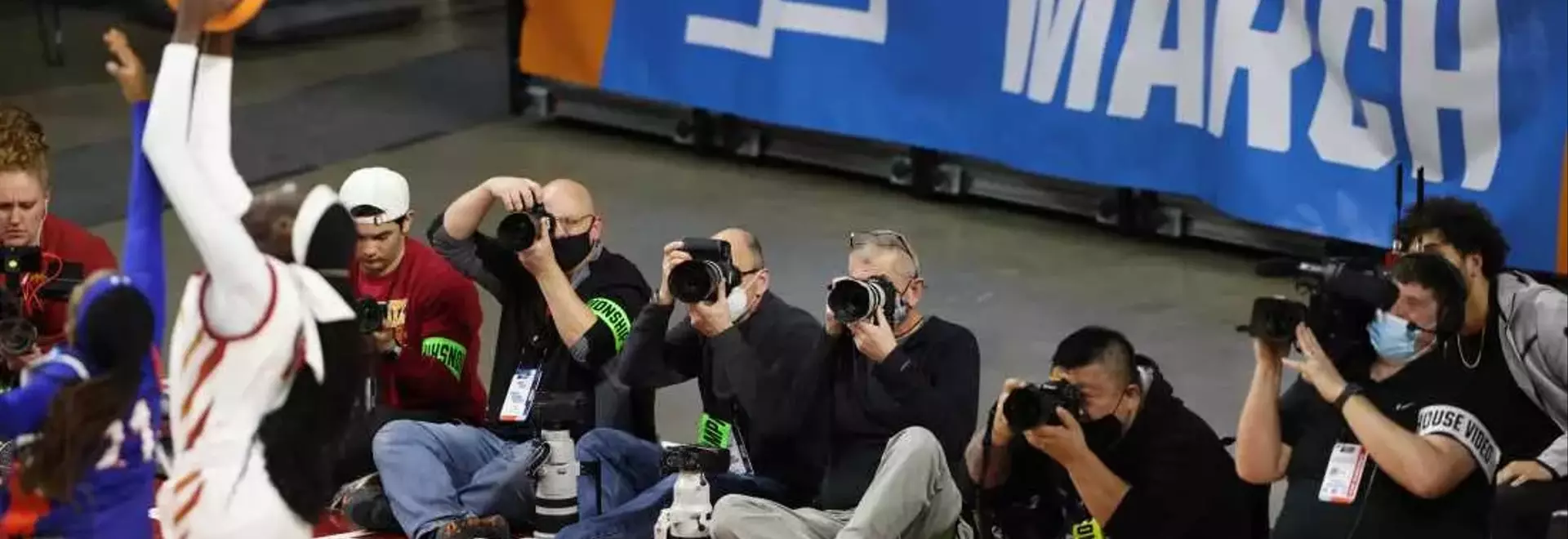
The experiences of athletes like Cam Corhen, a Division I basketball player, highlight the personal impact of this online toxicity. Despite his imposing physical presence and athletic prowess, Corhen, like many peers, has been subjected to vitriolic messages, particularly from disgruntled gamblers, which profoundly affected his mental well-being and performance. This disturbing trend, as noted by the NCAA, is particularly prevalent during high-stakes events like March Madness, where athletes receive thousands of abusive messages, some severe enough to warrant law enforcement involvement. Such incidents underscore the urgent need for robust support systems and educational initiatives within athletic programs to help athletes navigate this challenging digital environment.

As social media continues to evolve into an indispensable component of an athlete's career, athletic departments are grappling with the responsibility of equipping players to manage its complexities. While creative content teams strive to enhance athletes' public profiles for branding and recruitment, coaches like Jeff Capel recognize the emotional toll excessive online exposure can take. The debate extends to the unique pressures faced by female athletes, who, while leveraging social media to elevate their sports' visibility, also confront heightened scrutiny and the imperative to maintain carefully curated public personas. Ultimately, balancing the undeniable benefits of social media with its inherent risks remains a critical challenge for college athletics, demanding proactive strategies to safeguard athletes' mental health and well-being.

The digital age, while offering boundless connectivity and promotional avenues, also casts a long shadow of unsolicited judgment and aggression. It is imperative for institutions, coaches, and athletes themselves to foster environments where the pursuit of athletic excellence and personal growth is not overshadowed by the darker aspects of online interaction. By prioritizing mental well-being and digital literacy, the collegiate sports community can empower its young stars to harness the positives of social media, while building resilience against its potential harms, ensuring that their journeys are defined by achievement and personal integrity, rather than by external negativity.

More Articles
News
Navigate the Week's Events: A Knowledge Challenge
Test your understanding of recent happenings with this engaging quiz. Covering topics from political developments to cultural insights and unexpected curiosities, this assessment provides a chance to gauge your awareness. Discover if you can successfully answer questions spanning various subjects, reflecting on the week's key moments.
By Ann CurryNov 14, 2025
News
Disney Explores AI for User-Generated Content to Boost Engagement
Disney is investigating the integration of artificial intelligence to allow subscribers to generate and share content based on its intellectual property, aiming to enhance interactivity on Disney+. CEO Bob Iger highlighted these discussions with AI firms during an earnings call, emphasizing a balance between fostering fan engagement and safeguarding Disney's valuable intellectual property. This move mirrors a broader industry trend toward more personalized and interactive entertainment experiences, driven by evolving audience preferences and new licensing opportunities with AI companies.
By Isabel AllendeNov 14, 2025
News
Air Traffic Controllers' Back Pay: A Recurring Challenge
Following a recent government shutdown, air traffic controllers in the United States are once again facing uncertainties regarding their overdue compensation. Despite assurances from Transportation Secretary Sean Duffy for prompt payment, many controllers recall delays from the 2019 shutdown, which led to lawsuits and prolonged waits for earned wages and overtime. This ongoing issue highlights systemic problems in federal employee compensation during periods of government closure.
By Anderson CooperNov 13, 2025
News
France's Struggle with Memory: A Decade After the Bataclan Attacks
Ten years after the devastating 2015 Paris attacks, France continues to grapple with the complex process of remembrance and healing. While official memorials and legal proceedings have sought to honor victims and hold perpetrators accountable, new research reveals a fading collective memory, particularly for incidents outside the Bataclan. This has led to a "double punishment" for some survivors. Concurrently, neurological studies suggest that the brain's ability to suppress traumatic memories is crucial for recovery from PTSD, highlighting a nuanced understanding of how individuals and nations cope with profound trauma.
By Anderson CooperNov 13, 2025
News
Uncertain Future for Federal Special Education Staff Amidst Departmental Restructuring
Recent congressional action to reopen the federal government includes a directive for the Trump administration to rehire special education staff previously laid off. However, the long-term job security for these employees, crucial for overseeing disability programs and ensuring compliance with the Individuals with Disabilities Education Act, remains precarious. This situation raises concerns about the potential dismantling of essential special education support systems and the impact on students with disabilities.
By Michele NorrisNov 13, 2025