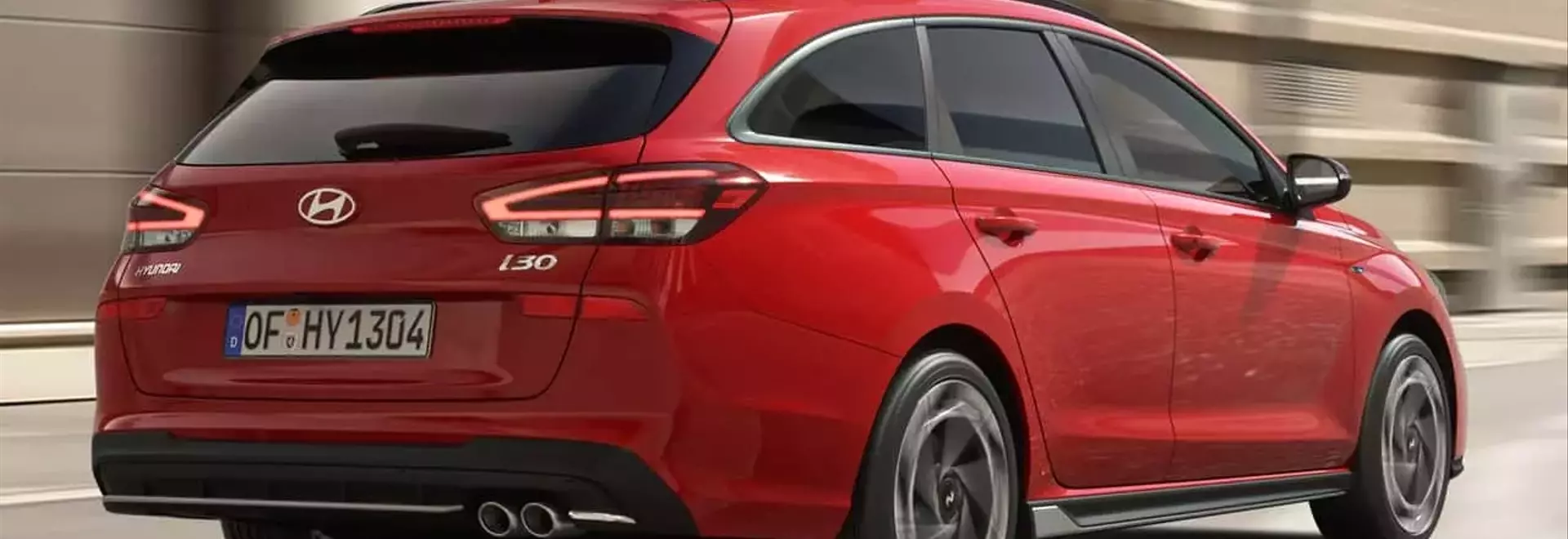
The Decline of Wagons: Why Hyundai Isn't Investing in Them
Cars

The Decline of Wagons: Why Hyundai Isn't Investing in Them

authorBy Simona De Silvestro
DateJun 23, 2026
Read Time2 min
The automotive industry is witnessing a significant shift in consumer preferences, with traditional wagon models facing an uphill battle against the surging popularity and profitability of SUVs. This article explores Hyundai's strategic decision to scale back investments in wagons, echoing a broader industry trend where declining demand and financial considerations are reshaping product portfolios.

The Fading Era of Wagons: A Shifting Automotive Landscape

Wagons Face Declining Demand and Profitability Challenges

Hyundai's European division head, Xavier Martinet, recently articulated the company's stance on wagon development, emphasizing that dwindling customer interest no longer justifies substantial investment in new models. This mirrors sentiments from other major manufacturers, such as Mercedes-Benz, whose design chief previously noted a lack of enthusiasm for wagons in key markets like the United States and China. Manufacturers are increasingly allocating resources to segments that promise higher returns and resonate more with contemporary consumer tastes.

The Economic Advantage of SUVs for Automakers

Beyond the simple decline in demand, the financial incentive for automakers to prioritize SUVs is compelling. Martinet explicitly stated that SUVs typically yield greater profit margins than their wagon counterparts. This economic reality plays a crucial role in product planning, as companies naturally gravitate towards vehicles that bolster their bottom line. The profitability of SUVs allows manufacturers to funnel more resources into developing these popular models, further solidifying their market dominance.

Europe: A Niche Market for Wagons Amidst Global Trends

Despite the global downturn, Europe stands out as a stronghold for wagon enthusiasts. The continent continues to offer a diverse range of compact and mid-size estate cars, catering to buyers who favor the practicality and driving dynamics of wagons over SUVs. Brands like Volkswagen, BMW, Audi, and even Hyundai's sister company Kia, with its K4 Sportswagon, maintain a presence in this segment, acknowledging a persistent, albeit smaller, demand. This regional preference suggests that while wagons may not reclaim their former global prominence, they will likely endure as a niche offering in select markets.

The Future of Wagons: A Realistic Outlook

While the wagon segment may never fully disappear, its role in the global automotive landscape is undeniably shrinking. The article acknowledges that a dedicated group of buyers, particularly in Europe, will continue to appreciate the unique benefits of wagons. However, the market's overwhelming shift towards crossovers and SUVs means that the variety and availability of wagons will likely remain limited outside of Europe. The return of models like the Audi A6 Allroad to the U.S. in 2027 offers a glimmer of hope for some enthusiasts, indicating that a select few premium wagons might still find a place in the market.

More Articles
Cars
BMW's Electric M3 Promises Exceptional Driving Experience Without Horsepower Obsession
BMW's upcoming electric M3, set to debut next year, is touted as an 'amazing' car to drive, focusing on precision and driving dynamics over sheer horsepower. This quad-motor, all-wheel-drive sedan will feature simulated gear changes and artificial engine sounds, aiming to retain the classic M car feel while embracing electric propulsion. It will also likely be the most powerful M3 to date, and BMW assures enthusiasts that a gasoline-powered M3 with mild-hybrid assistance will also be available.
By Akira MarutaJun 23, 2026
Cars
First Glimpse of Jeep's Upcoming Rugged SUV
Jeep has offered an initial look at the forthcoming Cherokee Trailhawk, set to be the model's premier off-road variant. The teaser image highlights a more aggressive front bumper and a prominent red tow hook. This new iteration is anticipated to feature enhanced off-road capabilities, including elevated ground clearance, improved approach and departure angles, and protective skid plates, building on the legacy of its predecessors.
By Simona De SilvestroJun 22, 2026
Cars
Lucid Motors Undergoes Major Restructuring Amidst Financial Challenges
Lucid, the electric vehicle manufacturer, is implementing significant restructuring, including a second round of U.S. workforce reductions by 18% and decreased production at its Arizona facility. This move aims to curb high inventory levels and achieve substantial cost savings. The company also saw the departure of its COO and other key executives, signaling a period of internal upheaval as it prepares to launch new SUV models.
By Jeremy ClarksonJun 22, 2026
Cars
Porsche Shifts Strategy: Fewer Cars, Higher Profits
Facing declining global sales, particularly in China, and the discontinuation of some European models, Porsche is adjusting its production strategy. CEO Michael Leiters announced plans to reduce manufacturing capacity and focus on higher-margin vehicles to maintain profitability, even with lower sales volumes. This move also aims to control escalating expenses and potentially introduce new flagship models above the 911 and Cayenne lines, while still planning the return of the 718 series to attract new customers.
By Brock YatesJun 22, 2026
Cars
Rising Vehicle Hoods Linked to Thousands of Pedestrian Fatalities
A recent study by the New York Times reveals a critical link between the increasing height of vehicle hoods, particularly in large SUVs and trucks, and a significant rise in pedestrian deaths over the past two decades. This investigation, utilizing extensive crash data, vehicle measurements, and registration information, suggests that while vehicle occupant safety has improved, pedestrian safety has been largely overlooked, leading to an estimated thousands of preventable fatalities.
By Henry FordJun 22, 2026