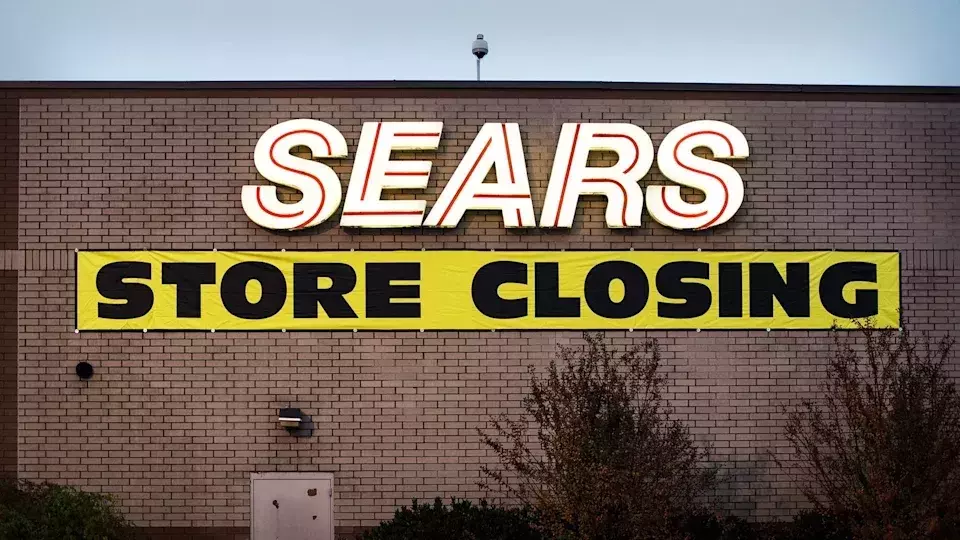
The Decline of a Retail Giant: Sears' Final Chapter
The story of Sears serves as a stark reminder of the challenges inherent in the ever-evolving retail landscape. Once an undisputed titan, akin to a modern-day Walmart, Sears' journey from industry leader to near extinction is a case study in how a multitude of incremental errors can dismantle even the most established enterprises. Despite its early success in transitioning from a catalog-based model to brick-and-mortar stores, the company began a slow but relentless decline after 1990, shedding valuable brands like Craftsman and DieHard in a desperate, yet ultimately futile, attempt to regain solvency.
A critical turning point in Sears' descent was its Chapter 11 bankruptcy filing in 2018. Industry experts, such as Global Data's Neil Saunders, critically assessed the situation, emphasizing the company's long-standing failure to adapt. Saunders pointed out that the bankruptcy was not an unforeseen event but rather the culmination of years of misguided strategies. He highlighted the futility of continued asset sales without a clear path to sustainable profitability and questioned the logic of pursuing the same failed approaches under bankruptcy protection. Many analysts trace the roots of this downfall even further back, to the 2004 acquisition by hedge fund operator Eddie Lampert, whose subsequent merger with KMart in 2005 only compounded the problems, creating a larger entity saddled with two struggling businesses.
Sears' failure to invest in its stores and online presence, in stark contrast to its competitors, further accelerated its demise. While other retailers poured significant capital into upgrades, Sears' minimal spending reflected a broader lack of vision and commitment to modernization. The controversial sale of its properties to Seritage Growth Properties, a company controlled by Lampert, became a central point of contention, leading to a lawsuit from Sears' creditors regarding asset stripping and self-dealing. The settlement of this litigation, while providing some financial redress, underscored the contentious nature of the company's management in its final years. With only five remaining stores, and Seritage Growth Properties actively divesting its remaining assets to repay a substantial loan, the formal dissolution of Sears as a retailer appears imminent, a poignant end to a once-iconic brand that ultimately succumbed to a series of unfortunate decisions and a failure to connect with the future of retail.
The saga of Sears provides invaluable lessons for businesses navigating dynamic markets. It underscores the vital importance of continuous innovation, strategic investment, and maintaining a strong connection with customer needs. Beyond financial metrics, the narrative highlights the ethical responsibilities of leadership and the long-term consequences of prioritizing short-term gains over sustainable growth. In a rapidly changing world, adaptability, foresight, and a steadfast commitment to core values are not merely advantageous but essential for enduring prosperity.
