Shipping Industry Faces Growing Capacity Crisis Amidst Soaring Freight Costs
Money

Shipping Industry Faces Growing Capacity Crisis Amidst Soaring Freight Costs

authorBy Natalie Pace
DateJul 25, 2026
Read Time2 min

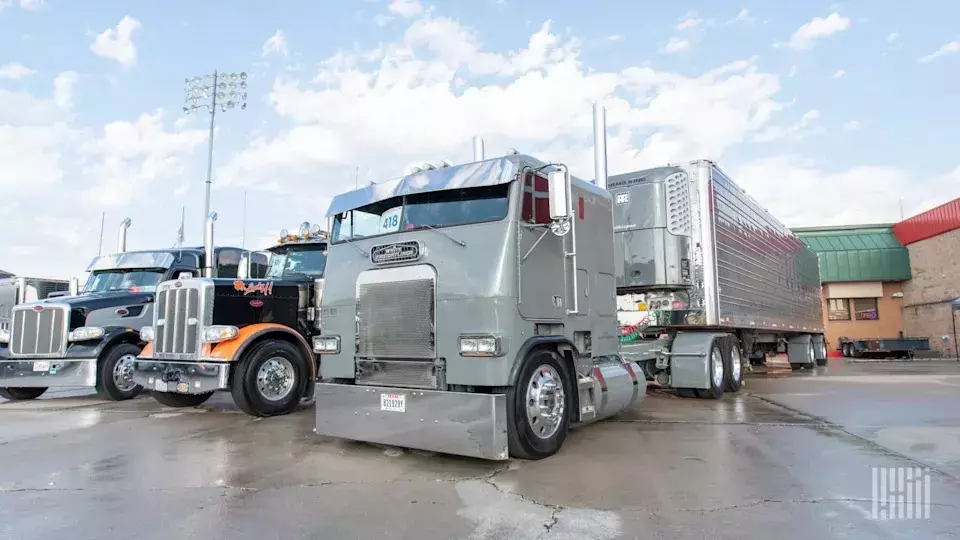
The freight transportation industry is currently experiencing a significant challenge as available trucking capacity diminishes while shipping costs remain at historic highs. A recent analysis from ACT Research's June For-Hire Trucking Index highlights this intensifying disparity, showing that a decline in new heavy-duty truck sales, combined with new federal regulations impacting the driver workforce, is severely restricting the market. This situation creates substantial hurdles for shippers looking to increase their delivery volumes, suggesting that the tight capacity will not ease in the near future.

Despite a slight dip in the Freight Rate Index in June, it still maintains a strong position, reflecting a market heavily favoring carriers. This trend is expected to continue pushing rates upward. Simultaneously, the Capacity Index has seen an increase, primarily driven by larger, well-established fleets expanding their operations rather than a widespread recovery in overall capacity. This expansion is anticipated to gain momentum in the latter half of the year, influenced by rising spot rates translating into higher contract rates and carriers upgrading their aging vehicle fleets in anticipation of future emissions standards.

The scarcity of qualified drivers remains a critical obstacle within the trucking industry. Although there was a marginal improvement in the Driver Availability Index, it continues to be significantly low. New regulations from the Federal Motor Carrier Safety Administration, including restrictions on non-domiciled Commercial Driver's License holders and stricter enforcement measures, have profoundly impacted driver numbers. This ongoing shortage is a key factor supporting the sustained high freight rates, as fewer drivers mean less capacity to meet demand. Furthermore, carriers' reluctance to invest in new equipment, driven by narrow profit margins and a delay in contract rate adjustments catching up with spot rate increases, contributes to the persistent capacity constraints.

The current state of the freight market, characterized by limited capacity and elevated rates, underscores the resilience and adaptability required from all participants in the supply chain. Businesses and logistics providers are being challenged to innovate and find solutions to navigate these complex conditions. By embracing technological advancements, optimizing logistics networks, and advocating for policies that support the growth and stability of the trucking workforce, the industry can overcome these challenges, ensuring efficient and reliable movement of goods essential for economic prosperity.

More Articles
Money
Financial Wellness: Outpacing the American Average
Many Americans grapple with financial stress, yet simple financial habits can place individuals ahead of a significant portion of the population. This article explores three key indicators—avoiding living paycheck-to-paycheck, minimizing daily financial worry, and saving for retirement—that demonstrate a stronger financial standing than roughly half of American adults. It emphasizes that even small efforts in these areas can lead to substantial long-term benefits.
By Dave RamseyJul 25, 2026
Money
Avoiding Common Wedding Budget Blunders
Financial experts frequently observe couples making similar financial missteps when planning their weddings. This article highlights the eight most prevalent budgeting errors, emphasizing that the issue often isn't overspending but rather a lack of strategic financial foresight. Learning to avoid these pitfalls can help ensure your special day doesn't compromise your future financial well-being.
By Bola SokunbiJul 25, 2026
Money
Mortgage and Refinance Rates Hit Peak in July 2026
Mortgage and refinance interest rates reached their highest levels this year on Saturday, July 25, 2026. The 30-year fixed rate climbed to 6.696%, while the 15-year fixed rate increased to 6.036%. Adjustable-rate mortgages also saw significant rises. The article provides a comprehensive overview of current rates, explains the pros and cons of different mortgage types, and offers insights into whether now is a good time to purchase a home.
By Scott PapeJul 25, 2026
Money
West Marine's Chapter 11 Reorganization: A Deep Dive into Store Closures and Future Strategy
West Marine, a leading marine retailer, is undergoing Chapter 11 bankruptcy, leading to the closure of 91 stores across multiple states. This move is a strategic effort to restructure debt and optimize operations amid challenging market conditions, including supply chain issues and shifts in consumer spending. The company plans to focus on its professional division, West Marine Pro, and remodel remaining stores to better serve its commercial clientele.
By T. Harv EkerJul 24, 2026
Money
CD Ladder vs. Bond Ladder: Which Strategy Maximizes Interest?
This article explores the concepts of CD ladders and bond ladders as strategies for managing interest rate risk and ensuring periodic access to cash. It delves into the definitions, examples, pros, and cons of each, helping readers understand their key differences. The piece also examines how fluctuating interest rates impact these strategies and highlights important tax considerations. Ultimately, it guides individuals in choosing the most suitable option based on their financial goals, risk tolerance, and investment horizon.
By Bola SokunbiJul 24, 2026