Deadlock's City Never Sleeps Update: A Masterpiece of MOBA World-Building
Immerse Yourself in the Enchanting Urban Renewal of Deadlock's Cursed Apple
The “City Never Sleeps” Update: A Deep Dive into Deadlock's Evolving Map
Valve's developing MOBA, Deadlock, is currently in a beta phase, offering players an opportunity to explore its world before its official release. After investing over 350 hours, it's clear that the game is a compelling experience, especially with its most recent expansion. The "City Never Sleeps" update represents a significant enhancement, particularly in its re-imagination of the game's core map, the Cursed Apple. This isn't merely a graphical facelift but a profound enrichment that adds depth and character to every corner of the urban battlefield.
Revitalized Lanes: From Broadway's Neon Glow to Greenwich's Occult Mystery
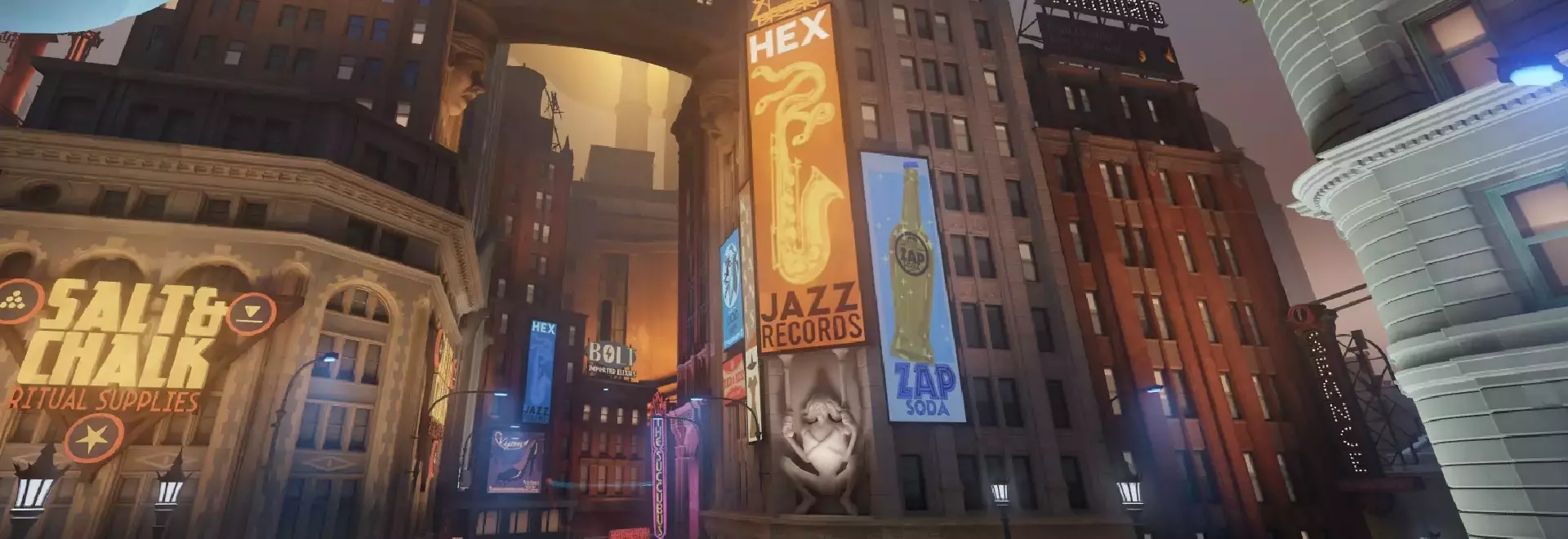
The update has meticulously transformed Deadlock's lanes, imbuing each with a distinct and vivid identity. Broadway, the bustling central artery, now shines as a neon-soaked metropolis, reminiscent of a 1950s Times Square, complete with vibrant signage and dynamic advertisements. This redesign significantly amplifies its already lively atmosphere. Conversely, Greenwich, which previously boasted overgrown foliage, has been reformed into an eerie, occult version of Central Park, featuring an ancient university and a mysterious arboreal garden. Meanwhile, York's industrial hints have matured into a grimy factory ground and a bustling stock exchange, adding a layer of rugged realism to its walker arenas. These detailed transformations provide not just visual appeal but also enhance the narrative texture of the game's environment.
Districts Reimagined: Encounters with the Supernatural and the Bizarre
Beyond the main lanes, the game's intermediary "districts" have undergone a complete artistic and thematic overhaul. These areas, once mere extensions, now possess their own unique "flavors" and host a variety of new neutral monsters, or "creeps," tailored to their environments. Players can now navigate a theater district populated by unsettling, phantom-piloted dolls, or explore Chinatown, where floating festival spirits and haunted cabbage pots create an atmosphere of mystical foreboding. A plaza features an ominous, demonic Atlas figure cradling a glowing sphere, possibly hinting at an Ixian embassy, all while being tormented by decrepit souls and gutter ghouls. These diverse and imaginative environments ensure that every encounter is fresh and contributes to the game's rich lore.
The Charm of the Cursed Apple: Unforgettable Creatures and Environments
Among the newly conceptualized areas, the library and the haunted lot stand out for their exceptional creativity. The library is home to whimsical "past dues"—little book goblins that amusingly attack players with late return stamps, blending humor with the occult. The haunted lot introduces "barrel mimics," mischievous entities wielding tire irons, giving the impression of an organized criminal gang. These inventive details collectively solidify the Cursed Apple as one of the most engaging and memorable settings in recent gaming history. The map, despite its relatively small size, feels expansive and wonderfully varied, a testament to its detailed and imaginative design.
Expanding the Ensemble: New Heroes and Richer Narratives
The "City Never Sleeps" update isn't just about map enhancements; it also introduces a captivating roster of new characters and significantly expands the game's dialogue. These additions are pivotal in enriching the game's narrative and character relationships. Even the seemingly simplest characters, like the art student Violet, possess charming details that tie into the game's aesthetic. More elaborate additions include Deadman Danny, a skeletal crash test dummy, and Nurse Harrow, a mysterious entity that evokes both Lovecraftian horror and angelic imagery. The Rat King, with over a hundred unique voice lines, adds a layer of interactive storytelling, calling out his subjects by name. Notably, characters like Solomon, a chess-loving old man with newfound supernatural abilities, and Baba, a re-imagined Baba Yaga who rides a bird-legged park bench, further showcase the game's imaginative blend of myth and urban fantasy. The expanded dialogue among the existing cast deepens lore and emotional connections, creating a vibrant, interconnected world.
Deadlock's Allure: An Unfinished Masterpiece Worth Exploring
The comprehensive overhaul brought by the "City Never Sleeps" update has transformed Deadlock's Cursed Apple into an unparalleled videogame setting. Its inventive design, supernatural elements, and rich character tapestry make it incredibly appealing. While it functions as a MOBA, the depth of its world-building might even entice those typically disinclined to the genre. Deadlock, even in its beta stage, presents itself as an unfinished masterpiece, brimming with creative energy and vibrant details. Players are encouraged to delve into this world, soak in its unique atmosphere, and experience the meticulous artistry Valve has poured into its creation.
