Covestro Collaborates with BMW and Forvia on Circular Economy Initiative
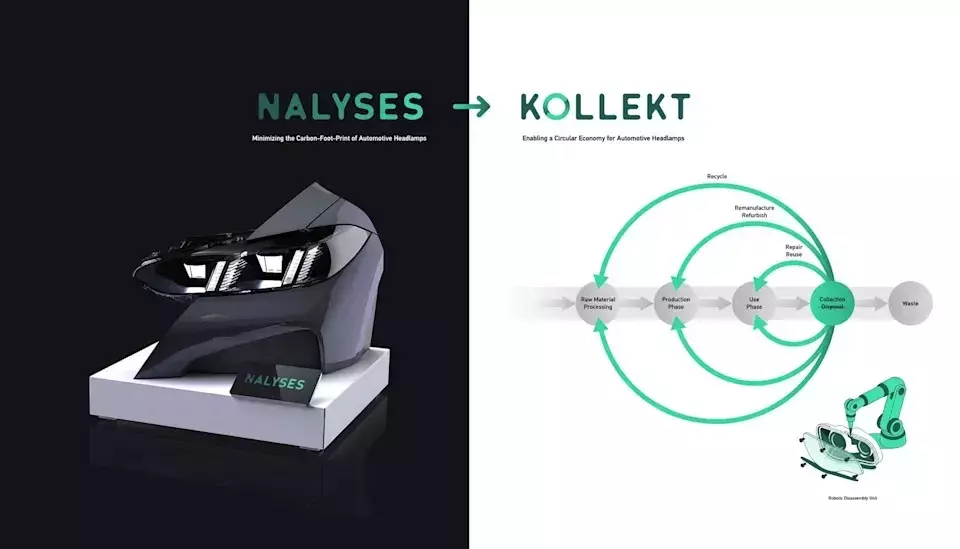
Covestro has announced its active involvement in the Kollert research project, an interdisciplinary consortium based in Germany. This initiative aims to pioneer recyclable product designs for automotive lighting, as well as mechatronic and electronic components. The project, which spans three years and receives funding from the German Federal Ministry for Research, Technology, and Space, seeks to address the critical challenges of resource longevity, consumption reduction, and the creation of circular value chains within the automotive sector. This collaborative effort focuses on developing innovative solutions for more sustainable practices.
Covestro, BMW, and Forvia Drive Automotive Circularity Forward
In a significant stride towards automotive sustainability, Covestro has officially joined the Kollert research project, a pioneering consortium focused on establishing a circular economy within the industry. This three-year initiative, which commenced in June 2026 and is slated to conclude in May 2029, is supported by a substantial €4.371 million funding allocation from the German Federal Ministry for Research, Technology, and Space (BMFTR) under the CircularGlowUp framework. The project is meticulously overseen by the Karlsruhe Project Management Agency (PTKA).
The Kollert consortium brings together a diverse array of esteemed partners. Forvia Hella leads as the coordinator, working in close collaboration with industry giants BMW and Covestro. Further contributing to this interdisciplinary effort are Geba, Fraunhofer IEM, Fraunhofer UMSICHT, the University of Paderborn, Hamm-Lippstadt University of Applied Sciences, the Helmholtz-Zentrum Dresden-Rossendorf (HZDR), and SW Maschinenservice. Together, these entities are tackling the complex challenge of making automotive components more sustainable and recyclable.
A core focus of the project is the development of "Design for Circularity" principles. This approach emphasizes optimizing product design from the outset to facilitate repair, reuse, remanufacture, and ultimately, recycling. Covestro, as a crucial materials partner, contributes its extensive knowledge in high-performance polymers and sustainable material solutions. The company's expertise is vital for evaluating recycling pathways for polycarbonates, which are widely used in automotive lighting components such as Makrolon, Bayblend, and Apec materials. By integrating material properties, recyclate quality, and end-of-life considerations into the design phase, the project aims to establish truly circular product lifecycles, addressing growing pressures from resource scarcity, supply chain security, and stringent regulations like the EU End-of-Life Vehicles (ELV) Regulation.
A Blueprint for Sustainable Innovation
This collaboration exemplifies a forward-thinking approach to industrial sustainability. By fostering early alignment across the value chain, the project not only addresses immediate environmental concerns but also sets a precedent for future innovations. The integration of material science expertise with automotive design and manufacturing signals a shift towards genuinely co-created, sustainable solutions. This commitment to circularity from conception to end-of-life demonstrates how industries can collectively transform ambitious sustainability goals into concrete, impactful outcomes, paving the way for a more resource-efficient future.
