Catholic Hospitals Prohibit Gender-Affirming Care in the U.S.
A Crossroads of Faith and Healthcare: Examining the New Directives
The Formalization of a Long-Standing Stance: Banning Gender-Affirming Care
In a significant move, the U.S. Catholic bishops recently cast their votes to formally outlaw gender-affirming treatments for transgender individuals within Catholic healthcare facilities. This decision solidifies a multi-year effort by the American Catholic Church to delineate its position on healthcare for transgender persons.
Influencing Healthcare Across the Nation: The Reach of Catholic Hospitals
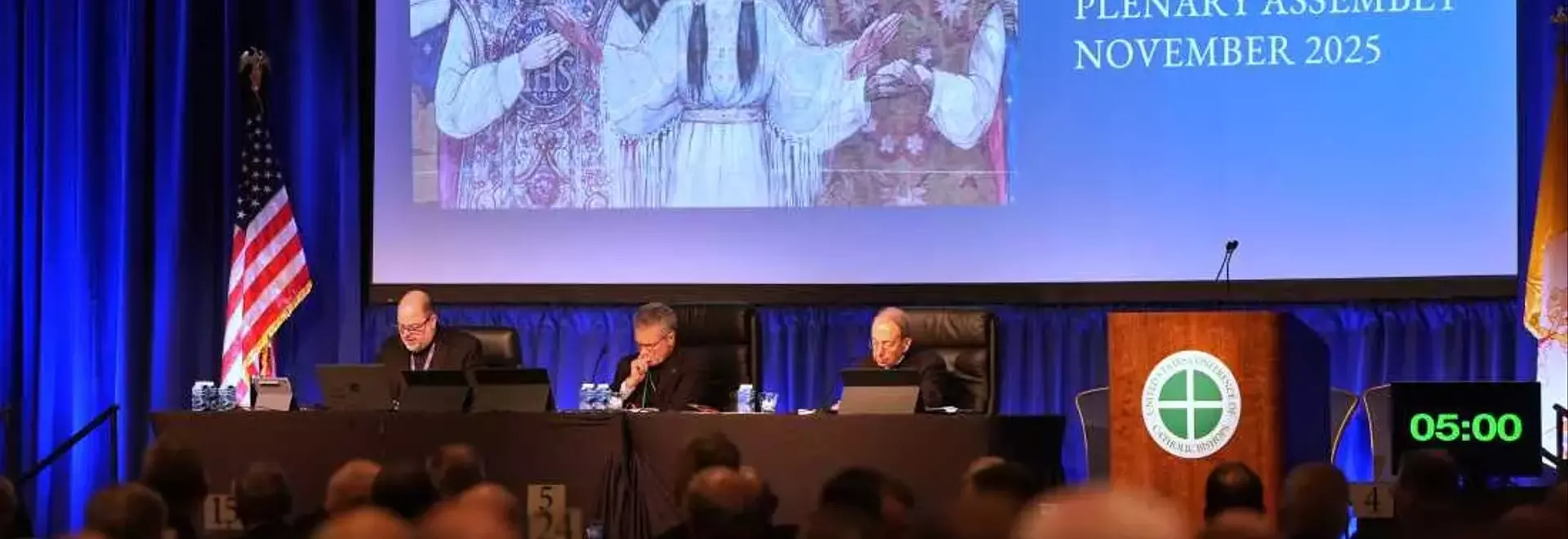
The updated ethical and religious directives, which govern thousands of Catholic healthcare providers and institutions nationwide, received overwhelming endorsement from the bishops during their assembly in Baltimore. With over one in seven American patients receiving care at Catholic hospitals daily, these institutions play a critical role in many communities, sometimes serving as the sole medical option.
Contrasting Views on Medical Care: Catholic Directives vs. Mainstream Medicine
While leading medical and health organizations advocate for gender-affirming care for transgender patients, most Catholic healthcare facilities have traditionally adopted a more cautious approach, generally refraining from offering treatments that include hormonal, psychological, or surgical interventions. The new guidelines are set to reinforce this policy, granting individual bishops the authority to implement these directives within their respective dioceses.
Voices of Dissent: Progressive Religious Communities Advocate for Inclusion
The Catholic Church is not monolithic in its perspectives on transgender rights, with some parishes warmly embracing transgender Catholics, while others maintain a less accepting stance. Michael Sennett, a transgender man deeply involved in his Massachusetts parish, articulates that gender-affirming care is vital for the well-being of many trans individuals, underscoring the inherent dignity of every human life upheld by Catholic teachings.
A Broader Ecumenical Movement: Support for Transgender, Intersex, and Nonbinary Individuals
Concurrently with the U.S. Catholic bishops' discussions on gender identity, leaders from several progressive religious denominations released a joint declaration in support of transgender, intersex, and nonbinary people. This statement arrives at a time when legislative actions and political administrations in various states are increasingly restricting the rights of these communities.
Beyond Gender Identity: The Bishops' Unified Call for Immigration Reform
Concluding their conference in Baltimore, the Catholic bishops also decisively approved a 'special message' regarding immigration. Such pastoral declarations are infrequent, with the last one issued in 2013 concerning contraception coverage mandates by the Obama administration.
Addressing the Human Toll of Immigration Policies: A Plea for Compassion
Catholic leaders have individually voiced concerns about past immigration enforcement policies, which have led to a climate of fear among immigrant communities and reduced Mass attendance in some parishes. Local clergy are actively working to ensure detained immigrants have access to religious sacraments.
Advocacy for Just and Humane Immigration Policies: A Call to Lawmakers
The bishops' statement highlighted their distress over the atmosphere of apprehension surrounding immigration enforcement and the disparagement of immigrants in public discourse. They expressed deep concern for the conditions in detention centers and the lack of pastoral care available. Archbishop Paul Coakley of Oklahoma City, the newly elected president of the conference, emphasized the importance of this statement for both immigrant communities and the pursuit of balanced, comprehensive immigration reform. The updated text now explicitly opposes the indiscriminate mass deportation of people.
