United States Government Shutdown Concludes After Record Duration
News

United States Government Shutdown Concludes After Record Duration

authorBy Christianne Amanpour
DateNov 13, 2025
Read Time2 min

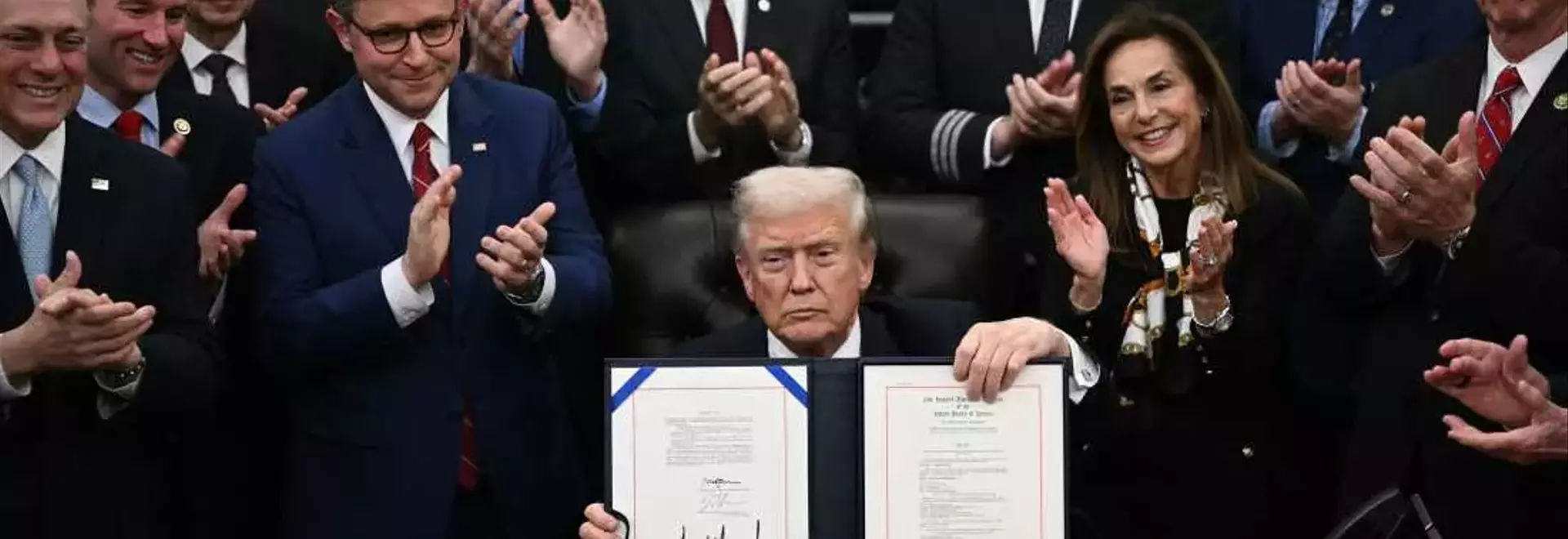
The United States recently experienced its most prolonged government shutdown, a period of 43 days that significantly affected numerous citizens and concluded with limited tangible political gains. The crisis reached its end when President Trump endorsed a legislative measure designed to finance federal operations, a move that followed a challenging congressional vote.

The legislative passage occurred on a Wednesday evening, navigating a slim Republican majority in the House of Representatives. Six Democratic representatives joined their Republican counterparts to ensure the bill's success, highlighting a rare moment of bipartisan cooperation amidst the prolonged deadlock. Conversely, two Republican members dissented, leading to a final vote of 222 in favor and 209 against. Following the House's approval, President Trump promptly signed the bill, attributing the shutdown's duration to the opposition's intransigence during a statement in the Oval Office. This new legislation secures government funding, maintaining previous year's spending levels for most federal entities until the close of January. Furthermore, it allocates resources to certain agencies through the subsequent September, crucially including the Supplemental Nutrition Assistance Program, which had faced severe disruption due to the fiscal stalemate. The bill also incorporates provisions for reinstating federal employees, ensuring backpay, and protecting against future layoffs, yet it notably sidesteps the contentious issue of extending enhanced Affordable Care Act subsidies.

While the immediate crisis of the government shutdown has passed, the underlying political tensions and policy challenges persist, especially concerning healthcare legislation. A critical component of the agreement involved a commitment from Senate Majority Leader John Thune to hold a vote on Democrat-proposed legislation aimed at prolonging ACA subsidies, a pledge met with skepticism by some Democrats. The effectiveness of government shutdowns as a strategic tool for policy advancement has consistently been questioned, a trend reinforced by this latest episode. Both major political parties now face pivotal decisions that will influence their trajectories in the coming year, particularly as Congress must still address multiple appropriations bills before the current resolution expires, ensuring continued governmental functionality and stability.

The resolution of this historic government shutdown underscores the intricate dynamics of legislative negotiation and the profound impact of political impasses on the populace. It highlights the necessity for leaders to prioritize the well-being of their constituents and to engage in constructive dialogue, even in the face of deep partisan divides. Moving forward, the focus must remain on collaborative solutions that address critical national needs, ensuring that political maneuvers do not impede essential services or undermine public trust.

More Articles
News
Analyzing the Proposed 50-Year Mortgage Plan
The Trump administration has put forth a proposal for a 50-year mortgage option, touted as a "game changer" for home affordability. While it could lower monthly payments, critics argue it significantly increases total interest paid and delays equity building. This plan emerges amidst a challenging housing market characterized by high interest rates and rising home prices, sparking debate among experts about its long-term benefits and potential drawbacks.
By Christianne AmanpourNov 12, 2025
News
Massachusetts Grapples with Housing Crisis as New Law Faces Local Hurdles
Massachusetts passed a new law aimed at alleviating its severe housing shortage, particularly in popular seasonal communities. This article examines the state's efforts to create more affordable housing options, highlighting how former tourist accommodations are being repurposed for workers. However, it also delves into the challenges and hesitations towns face in adopting these new provisions, raising questions about the law's effectiveness in tackling the ongoing crisis and preserving the character of these communities.
By Lester HoltNov 12, 2025
News
Arctic Expedition: Polar Bears Encounter Icebreaker
This article recounts a journalist's transformative voyage through the Arctic's Northwest Passage aboard a Canadian Coast Guard icebreaker. Amidst the vast, untouched ice, the author found solace and wonder, particularly through encounters with curious polar bears. The piece highlights the profound impact of this remote journey on the individual, while also reflecting on the changing Arctic landscape due to increased human activity and climate change.
By Ann CurryNov 12, 2025
News
New Immigration Rules: Health Conditions as Visa Barriers
The Trump administration has introduced a controversial directive allowing immigration officers to deny U.S. visas based on applicants' health conditions, such as diabetes and obesity. This guidance, communicated to embassy officials, expands the criteria for considering individuals a 'public charge' and raises concerns among immigration experts regarding its potential impact on millions of prospective immigrants and the subjectivity of health assessments by non-medical personnel.
By Lester HoltNov 12, 2025
News
Treasury Secretary's Tax Stance Challenges IRS Authority
Scott Bessent, the Trump administration's Treasury Secretary and acting IRS Commissioner, is at the center of a controversy regarding his personal tax practices. Having avoided a significant amount in Medicare taxes through a limited partnership structure, Bessent's actions directly conflict with an IRS initiative to curb such tax avoidance. This situation highlights a broader struggle over tax enforcement and the interpretation of tax laws, with significant implications for government revenue and the future of the IRS's enforcement capabilities.
By Ann CurryNov 12, 2025