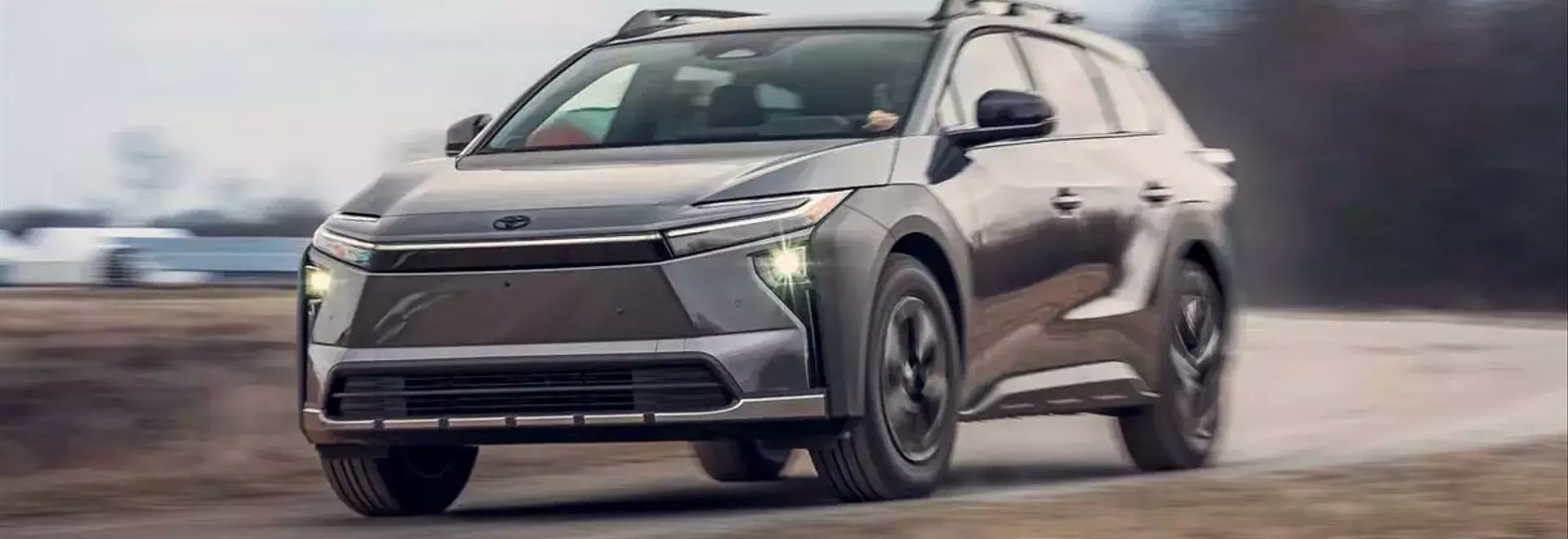
2027 Toyota bZ Woodland: A Detailed Review of Performance, Range, and Interior Comfort
The 2027 Toyota bZ Woodland stands out as an electric SUV designed to offer both spirited performance and practical utility. While its exterior hints at off-road readiness, it delivers primarily on spaciousness and swift acceleration, though its electric range might not lead the class. This comprehensive review delves into its various attributes, including its potent powertrain, interior amenities, and safety technologies, to provide a complete picture of what this vehicle brings to the electric vehicle market.
Toyota's bZ Woodland distinguishes itself from the standard bZ electric SUV with a longer wheelbase, giving it a wagon-like appearance. This extended version not only provides a more rugged aesthetic but also significantly boosts cargo capacity behind the rear seats, enhancing its appeal for families and those needing extra storage. Unlike its standard counterpart, the Woodland model comes equipped with a powerful 375-horsepower electric powertrain that drives all four wheels, ensuring robust traction and acceleration comparable to high-performance sports cars. However, while its speed is impressive, the vehicle's estimated driving range falls short of some direct competitors, offering between 260 and 281 miles on a single charge.
Performance-wise, the bZ Woodland truly shines, mirroring the acceleration of a turbocharged six-cylinder Supra sports car with a 0-60 mph time of 3.9 seconds. Its all-wheel-drive system and driver-selectable terrain modes contribute to a versatile driving experience, whether on paved roads or light trails. The suspension offers 8.4 inches of ground clearance, and optional all-terrain tires further enhance its capability for modest off-roading. However, those expecting the extreme ruggedness of a 4Runner or Land Cruiser might find its off-road prowess to be more suited for less demanding adventures. In terms of towing, the bZ Woodland can haul up to 3500 pounds, surpassing several rivals in its segment.
Inside, the bZ Woodland prioritizes comfort and connectivity. The cabin closely resembles the smaller bZ SUV, featuring standard heated front seats and faux-leather upholstery. An optional Premium package elevates the experience with ventilated front seats, dual smartphone charging pads, additional USB-C ports, and a panoramic glass roof. The rear seating area is notably spacious, benefiting from a flat floor that makes it comfortable for three passengers across. Rear seats also include heating and reclining functions, along with a fold-down center armrest with cupholders. The cargo area is generously sized, accommodating various gear with ease, and expanding to 74 cubic feet when the rear seatbacks are folded flat.
The vehicle's infotainment system is centered around a large 14.0-inch touchscreen, which supports wireless Apple CarPlay and Android Auto, SiriusXM satellite radio, a Wi-Fi hotspot, and integrated navigation. A standard six-speaker audio system can be upgraded to a premium nine-speaker JBL setup. Safety is also a strong suit, with Toyota equipping all bZ Woodland models with a comprehensive suite of driver-assistance features, including automated emergency braking, lane-keeping assist, and adaptive cruise control as standard. Toyota also offers a competitive warranty package, with complimentary maintenance for two years or 25,000 miles, and an industry-standard battery warranty of eight years or 100,000 miles.
In summary, the 2027 Toyota bZ Woodland offers a compelling package for consumers looking for a quick and practical electric SUV. Its impressive acceleration and spacious, well-appointed interior make it a strong contender in its class, despite a range that is not best-in-class. The combination of advanced technology, robust safety features, and a comfortable ride ensures a pleasant driving experience.
