Young Aristocrats: The New Faces of Luxury Influence
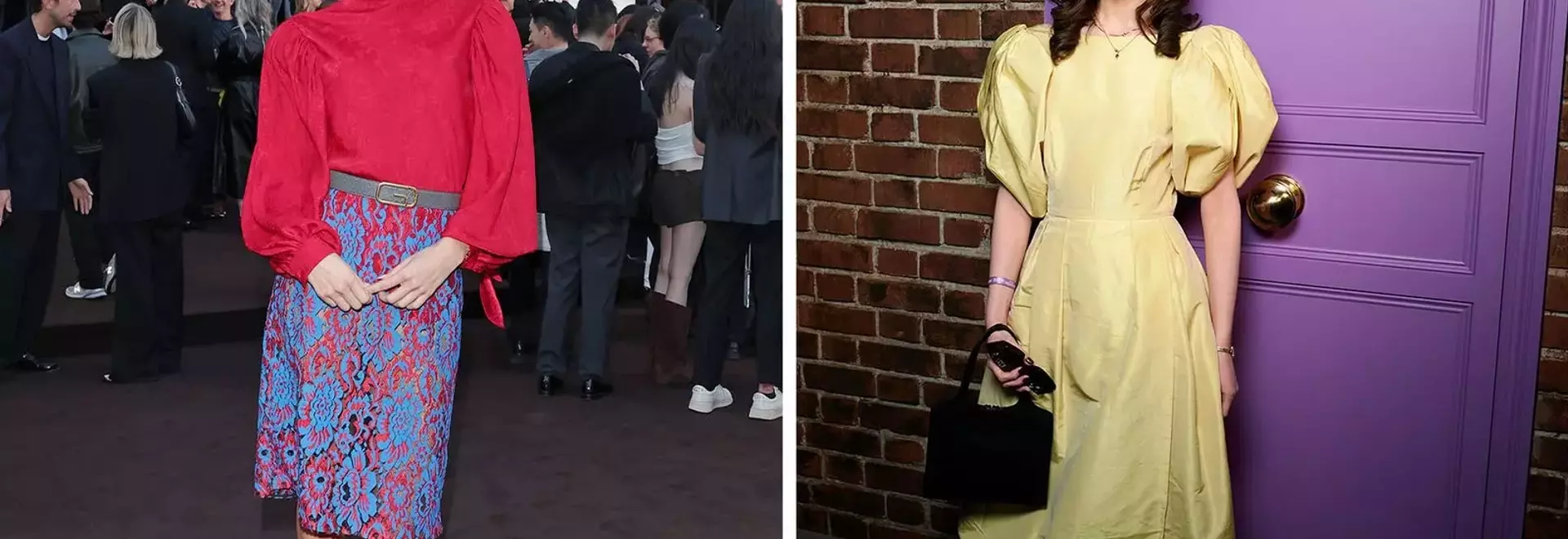
During the recent haute couture season in Paris, a notable shift occurred in the front rows of prestigious fashion shows. Alongside established celebrities and social media personalities, a fresh cohort of young aristocrats began to emerge, progressively establishing their presence within the luxury sector. Figures such as Princess Maria Chiara of Bourbon-Two Sicilies, a descendant of Italian royalty, actively engaged with brands like Iris van Herpen, sharing their experiences with a substantial Instagram following. Similarly, Princess Alexandra of Hanover, linked to the Monegasque royal family, is a regular attendee at Chanel, while Princess Olympia of Greece, with her extensive social media reach, frequently graces events hosted by Dior, Bvlgari, Gucci, and Tiffany.
These aristocratic individuals adeptly utilize social media to showcase their privileged lifestyles, intertwining glimpses of family gatherings and philanthropic endeavors with appearances at prominent fashion weeks and exclusive social events. Their allure stems from an inherited status that distinguishes them from conventional influencers. In an era often critical of elitism, these individuals, paradoxically, embody the pinnacle of high society for certain audiences. As competition intensifies within the luxury market, particularly in the jewelry segment where heritage and tradition are increasingly valued, brands are actively seeking partnerships with the heirs of historically prominent families. Consumer behavior expert Paul Russell highlights that luxury, by its nature, sells status. He notes that while monetary wealth can acquire status, the prestige associated with aristocracy remains unattainable through purchase, offering brands an invaluable asset. This phenomenon, known as “evaluative conditioning,” suggests that associating a brand with a historical name imparts a similar aura of distinction. Examples include Dolce & Gabbana’s collaboration with Lady Kitty Spencer, whose connection to Princess Diana offers an unparalleled level of prestige.
Brands like the London-based jeweler Boodles regularly engage with members of royal families, such as Lady Amelia Windsor, for high-profile events like the Chelsea Flower Show. Honour Wainwright, Boodles’ marketing director, emphasizes the importance of aligning with partners who share similar tastes and interests. French accessory brand Olympia Le-Tan also collaborated with Princess Maria Chiara on a collection of embroidered clutches inspired by Southern Italy, valuing her ability to bridge historical narrative with contemporary relevance. Jenny Coenen, founder of talent agency TPA, explains that aristocratic influencers possess a unique advantage: they are born into a world of established traditions and narratives, offering a deeper sense of cultural relevance to brands. This inherent authenticity provides a level of trust that other influencers may struggle to cultivate. However, collaborating with aristocrats also carries potential risks. Russell cautions that such partnerships are only effective if the target audience finds aristocracy appealing. He also points out that historical family lineages can be associated with past events that may not resonate positively with modern sensibilities, bringing with them a certain 'baggage' alongside the glamour. In a market increasingly sensitive to inherited privilege, such campaigns can sometimes appear out of touch. Olivier Billon of Ykone notes that the success of 'aristo-influencers' lies in their ability to evoke a sense of aspiration without fostering exclusion, enabling audiences to engage with an idealized world they admire, even if they don't belong to it.
The integration of young aristocrats into the luxury market reflects a dynamic interplay between heritage and modern influence. Their unique position, born from centuries of tradition yet adept at contemporary digital engagement, offers brands a powerful narrative tool. This trend underscores the enduring value of authentic legacy in an increasingly crowded and rapidly evolving market, demonstrating that true prestige, when presented thoughtfully, can transcend mere commercial transactions and inspire a new generation of consumers while maintaining a link to a rich past.
