US Farmers Seek Sustainable Solutions Amid Trade Disputes, Beyond Aid Packages
American farmers are navigating a challenging economic landscape, heavily influenced by recent trade policies. While a substantial financial assistance package has been introduced to mitigate some immediate hardships, the consensus among agricultural communities is that such measures offer only temporary relief. A more sustainable future, they argue, hinges on the restoration of stable international trade relationships and open markets, moving beyond a reliance on governmental subsidies. The economic pressures, exacerbated by disrupted trade routes and rising operational costs, underscore the critical need for strategic shifts in national agricultural and trade policies to secure the sector's long-term viability. Farmers' desire for 'trade, not aid' reflects a fundamental belief in the power of free and fair markets to ensure their prosperity.
The current climate has seen a significant shift in global agricultural dynamics, with farmers experiencing the repercussions of evolving international trade stances. This has particularly affected key sectors such as soybean production, where established export markets have been undermined. The debate now centers on finding enduring solutions that go beyond immediate financial injections, focusing instead on fostering an environment where agriculture can thrive through robust trade. The upcoming political cycles further amplify the urgency of these issues, as the stability of the agricultural heartland is inextricably linked to broader economic and political outcomes.
The Immediate Impact of Trade Policies on Agriculture
American agricultural producers are currently experiencing significant financial strain, largely attributed to shifts in international trade policies. A recently announced $12 billion support initiative, while acknowledged as helpful, is widely seen as a short-term band-aid rather than a comprehensive solution. This aid is intended to alleviate some of the immediate economic pressures faced by farmers who have seen their traditional markets disrupted. The core of the issue lies in the trade conflicts that have led to increased tariffs and retaliatory measures, effectively closing off crucial export channels for American produce. Farmers, who typically prefer to earn their income through market sales, find themselves in an unprecedented situation where government intervention has become a necessity to sustain their operations.
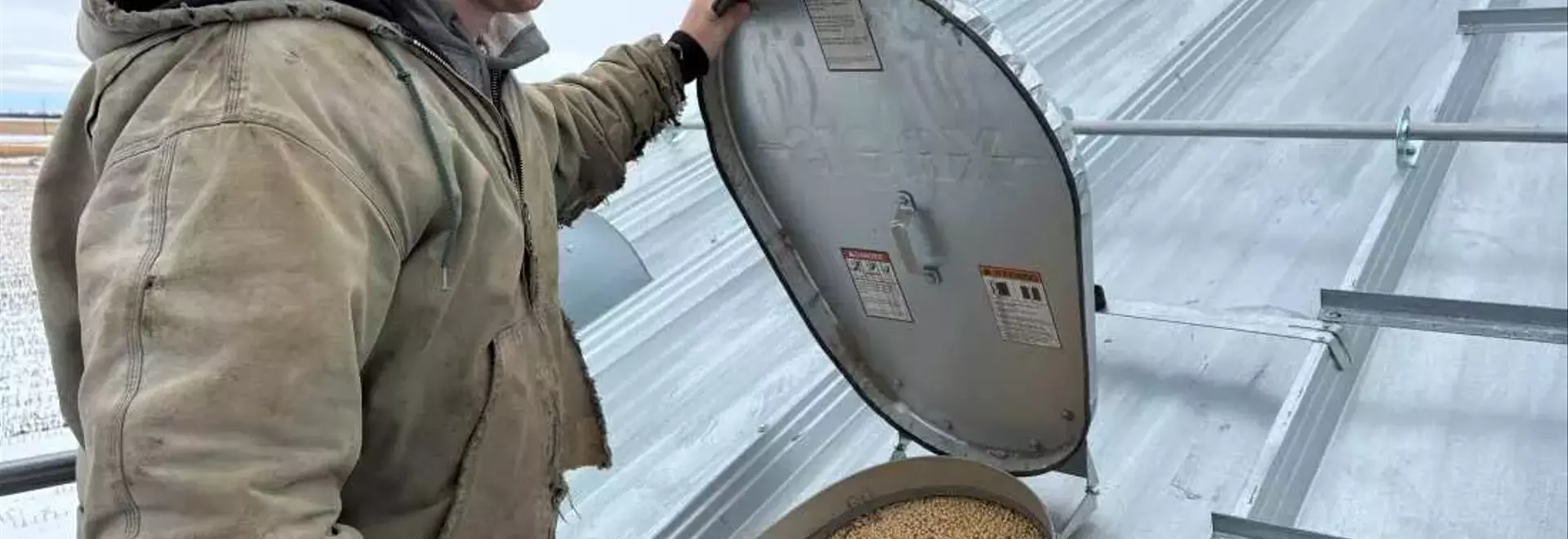
The farming sector's difficulties are clearly illustrated by the plight of soybean growers, for whom China has historically been a major consumer. The imposition of tariffs on Chinese goods by the United States led to China shifting its soybean purchases to other countries, such as Brazil. This sudden loss of a significant export market left American farmers with vast quantities of unsold produce, leading to storage issues and substantial financial losses. Compounding these challenges, farmers are also contending with rising costs for essential agricultural inputs like fertilizer, partly due to inflation and other tariffs. The $12 billion aid package, while welcomed, only partially addresses these widespread financial setbacks, prompting calls from various agricultural groups for more fundamental changes to trade strategies that would reopen markets and foster long-term stability for the sector.
A Call for Sustainable Trade Over Temporary Aid
While the recent $12 billion financial aid package has provided some much-needed relief to American farmers, there is a widespread sentiment within the agricultural community that sustainable trade relationships are far more preferable to recurring government assistance. Many farmers articulate a clear preference for robust international markets that allow them to sell their produce competitively, rather than relying on subsidies to offset losses incurred from trade disputes. This perspective is rooted in the understanding that long-term prosperity for the agricultural sector depends on predictable and fair trade policies that facilitate access to global consumers. The current situation, where aid packages are necessary, is viewed as a consequence of policies that have inadvertently harmed the very sector they now seek to support, emphasizing the need for strategic reevaluation.
The sentiment that farmers desire 'trade, not aid' highlights a fundamental philosophical difference in approaching agricultural stability. Groups representing farmers, even those typically aligned with conservative political ideologies, are advocating for a re-calibration of trade strategies to open new markets and bolster domestic demand. They argue that the cumulative effect of trade conflicts has caused significant and potentially lasting damage to the agricultural heartland, leading to lost market share and strained relationships with international buyers. Although some new trade agreements have been initiated, such as the commitment from China to resume soybean purchases, the quantities are often still below pre-dispute levels. Farmers remain cautious, recognizing that genuine recovery requires sustained and reliable trade opportunities, offering a more stable foundation for their livelihoods than a series of temporary financial injections.
