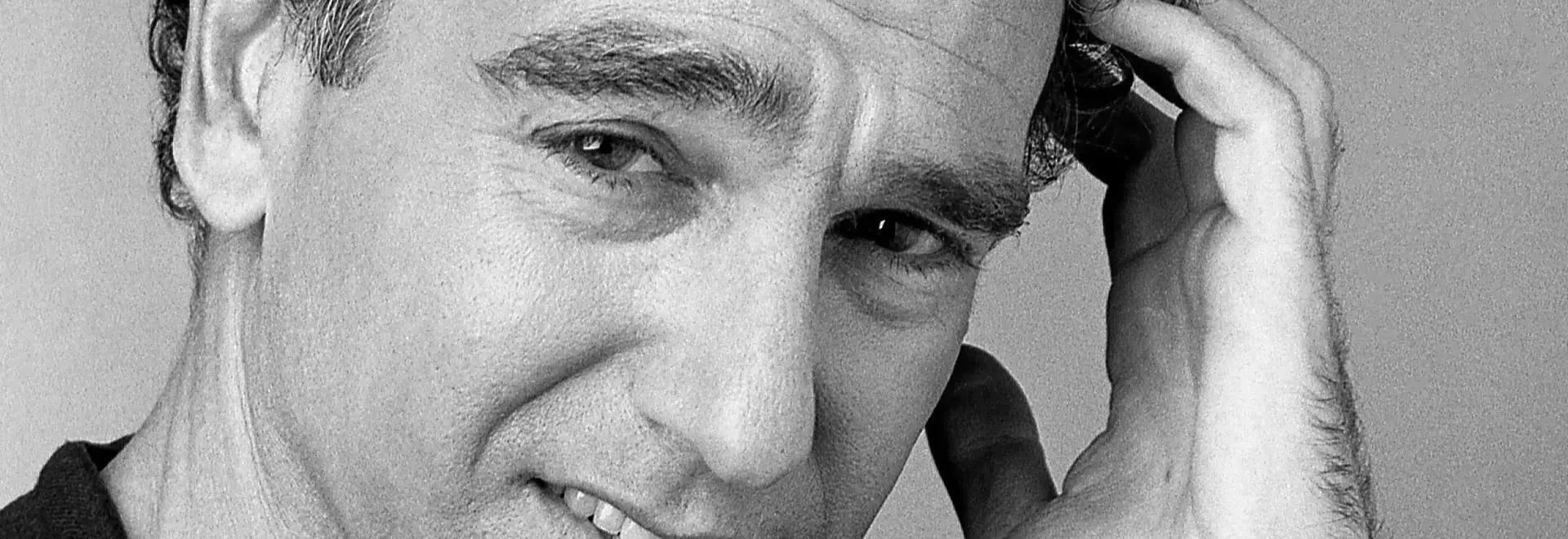
The Untold Story of Larry David's Lost Screenplay: 'Prognosis: Negative'
Blake J. Harris's forthcoming biography, 'Emperor of Nothing: The Making of Larry David,' unearths the captivating narrative behind Larry David's long-lost screenplay, 'Prognosis: Negative.' This deep dive into David's early career reveals the genesis of the dark comedy, penned during a period of professional uncertainty after his stint on 'Fridays.' The book meticulously chronicles the script's journey through Hollywood, from its initial enthusiastic reception by figures like Rob Reiner and Marilyn Black, David's former manager, to the complex negotiations and eventual setbacks that prevented its production. It highlights David's unwavering artistic integrity and his unique approach to storytelling, which often clashed with conventional industry expectations, ultimately shaping the comedic genius we know today.
The Genesis and Journey of a Lost Masterpiece: Larry David's 'Prognosis: Negative'
In the mid-1980s, following the conclusion of the ABC sketch comedy show 'Fridays,' a then 34-year-old Larry David found himself at a crossroads. Having accumulated modest savings, a disastrous foray into stock market investment left him with significantly reduced financial security and a renewed focus on his comedic craft. While his 'Fridays' co-stars, including Mark Blankfield and Michael Richards, secured prominent roles in television, David's acting pursuits yielded only minor, uncredited parts. This period of artistic struggle, however, proved to be fertile ground for his nascent screenwriting ambitions.
It was during this time, between 1982 and 1984, while performing stand-up in Los Angeles, that David conceived and meticulously crafted 'Prognosis: Negative.' This dark comedy introduced Leo Black, a protagonist bearing striking resemblances to David himself: a neurotic, hypochondriac limo driver in New York City plagued by commitment issues. The script's central premise, a man seeking to rekindle a romance with a terminally ill ex-girlfriend to avoid long-term commitment, showcased David's signature wit and unique perspective, foreshadowing themes and comedic situations that would later define 'Seinfeld' and 'Curb Your Enthusiasm.'
The screenplay's journey to potential production began thanks to Richard Lewis, David's close friend, who introduced him to Marilyn Black, Lewis's then-girlfriend and an influential manager in the comedy scene. Marilyn, captivated by the script's brilliance and David's distinctive voice, enthusiastically took him on as a client. She tirelessly championed 'Prognosis: Negative,' pitching it to a wide array of producers and talents across Hollywood. A key target was Rob Reiner, then transitioning from a successful acting career on 'All in the Family' to directing, with his mockumentary 'This Is Spinal Tap' on the horizon.
Reiner was deeply impressed by the script, initially considering directing it himself. However, his burgeoning directorial career led to a period of indecision regarding 'Prognosis,' though he remained keen to be involved as a producer. Other notable figures, including Academy Award-winning actor-turned-producer Richard Dreyfuss, also expressed admiration for the screenplay. Yet, a recurring theme emerged in meetings with producers: while they lauded the script's quality, they hesitated to commit due to its unconventional narrative structure, which defied the typical Hollywood formula of heroic journeys and life lessons. Furthermore, David's steadfast insistence on maintaining absolute creative control over his script, a rarity in the industry, proved to be a significant hurdle.
Despite these challenges, 'Prognosis: Negative' garnered serious interest. David Susskind, a veteran producer known for commercially viable, high-brow films, offered a substantial $200,000 for the script in August 1983. This life-changing sum for the then 36-year-old David was a testament to the script's perceived value. However, the deal collapsed when Susskind's lawyer deemed the terms, particularly David's demand for creative control, excessively favorable to the writer. Subsequently, Barry & Enright Productions, a company seeking to expand beyond game shows after the success of their risqué comedy 'Private Lessons,' stepped in. With Rob Reiner attached as a producer, Barry & Enright optioned 'Prognosis: Negative' in November 1983 for $35,000.
Ultimately, despite the initial excitement and promising prospects, 'Prognosis: Negative' never made it to the big screen. The challenges of its unconventional narrative, David's uncompromising artistic vision, and the evolving landscape of Hollywood productions proved too great to overcome. Nevertheless, this period was instrumental in shaping Larry David's career, cementing his unique voice and setting the stage for his future iconic contributions to television comedy.
This illuminating account of 'Prognosis: Negative' serves as a profound reminder that even the most innovative artistic visions often face significant resistance within established industries. Larry David's steadfast commitment to his unique voice, even in the face of financial temptation and industry pressure, underscores the importance of creative integrity. It highlights how early setbacks and unfulfilled projects can, in retrospect, become foundational experiences that forge an artist's distinctive style and pave the way for future groundbreaking work. For aspiring creators, David's journey with this lost screenplay offers a powerful lesson in resilience, conviction, and the eventual triumph of an authentic voice.
