Unpacking Ambiguous Terms in Market Discourse
In the dynamic realm of financial markets, precise communication is paramount. However, certain terms and expressions, while frequently used, often carry a significant degree of ambiguity, leading to potential misunderstandings among investors and analysts alike. This article explores several such phrases and emphasizes the critical importance of seeking additional context to fully grasp their implications.
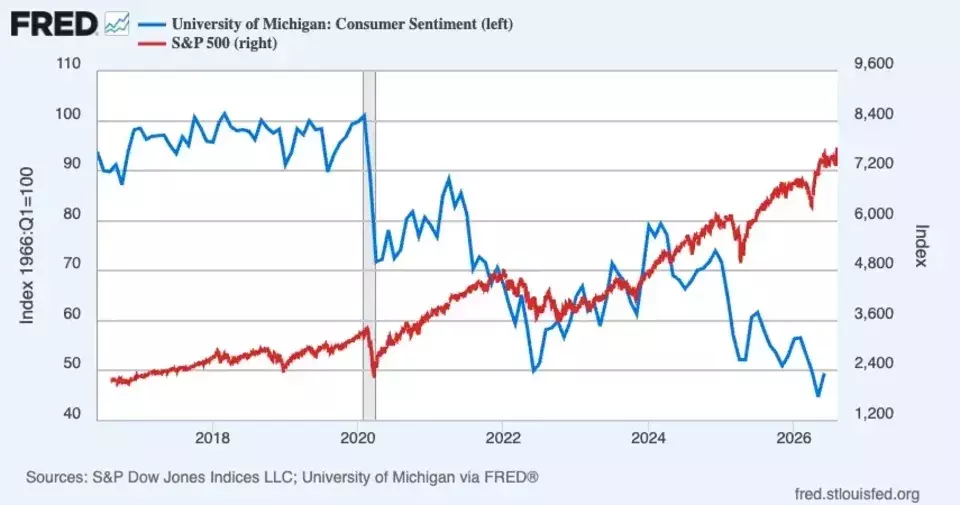
One such term is "the economy," which can evoke vastly different interpretations depending on the speaker's perspective. For some, it might refer to aggregate metrics like Gross Domestic Product (GDP), reflecting overall financial activity. Others might consider non-financial indicators such as employment trends, as defined by organizations like the National Bureau of Economic Research (NBER). Furthermore, individual sentiment and the performance of the stock market, driven by corporate earnings, present alternative viewpoints on economic health. This divergence in definitions can lead to conflicting assessments, where one person's thriving economy is another's struggling reality. Similarly, the adjectives "bullish" and "bearish," commonly used to describe market outlooks, require more nuance than their simple definitions suggest. A "bearish" forecast of a 6% decline in the S&P 500 within a year might not be genuinely pessimistic for a long-term investor who anticipates short-term volatility. Historically, market drawdowns of this magnitude are not uncommon and often precede overall positive annual returns. Therefore, understanding the time horizon and the specific magnitude of expected movements is crucial when interpreting such market sentiments.
Another frequently debated term is "bubble." While there's general agreement that it signifies asset prices exceeding their justifiable value before a sharp decline, the practical implications can vary. Warnings of a market "bubble" might lead some to withdraw investments, fearing impending losses. However, it's also plausible for prices to continue ascending before a correction, ultimately settling at levels still above current valuations. The historical example of Alan Greenspan's "irrational exuberance" comment in 1996 illustrates this complexity; the market's post-dot-com bubble low was still higher than its level when he made the remark. Consequently, when confronted with bubble talk, it is essential to inquire whether the predicted fallout would result in prices falling below their current standing. Furthermore, phrases like "beat expectations" or "miss expectations" following earnings reports or economic data releases often oversimplify complex financial performance. These statements typically refer to deviations from average analyst forecasts. However, a "beat" doesn't automatically signify robust growth, nor does a "miss" necessarily imply poor performance. Factors like actual growth rates, acceleration or deceleration, and shifts from profit to loss provide more meaningful insights than a simple comparison to estimates, especially considering that many publicly traded companies consistently "beat" quarterly expectations, making such occurrences arguably anticipated rather than exceptional.
In essence, whether discussing market trends or company performance, it is imperative to move beyond superficial linguistic shortcuts and actively seek deeper understanding. By questioning definitions, considering diverse perspectives, and demanding specific data, individuals can navigate the complexities of financial discourse with greater clarity and make more informed decisions. This proactive approach to comprehension fosters a more robust and insightful engagement with market information, empowering individuals to discern valuable insights from mere platitudes.
