Unlocking the Secrets to the Ultimate Tuna Salad
Elevate Your Tuna Salad: Chef-Approved Techniques Revealed
The Cornerstone Ingredient: Selecting Your Tuna
Many online recipes for tuna salad exist, making it challenging to identify the best approach. After consulting several culinary experts, the consensus points to one crucial factor: the tuna itself, specifically, tuna preserved in oil. While complementary ingredients, crisp vegetables, and aromatic herbs are important, an inferior tuna choice can quickly diminish the quality of the dish.
Why Oil-Packed Tuna Reigns Supreme
Chefs advocate for oil-packed tuna for several compelling reasons. Michael Proietti, a Food Network finalist, explains that olive oil significantly enriches the flavor profile of tuna, much like it does with other foods. He notes that water-packed tuna often has a more pronounced fishy taste, which olive oil skillfully mellows. Chef Carla Contreras, host of "The Nourishing Creativity Podcast," adds that olive oil imparts a juicier and more tender consistency, providing an ideal foundation for various tuna salad additions.
Exploring Premium Tuna Varieties
Not all canned tuna, regardless of whether it's packed in water or oil, offers the same quality. The choice of tuna affects both texture and taste. Albacore tuna provides a firmer, flakier texture, while chunk light tuna results in a softer, moister salad. Yellowfin tuna is prized for its substantial, velvety feel. When making your selection, prioritize labels that denote high-quality ingredients and sustainable practices, such as Fishwife Albacore Tuna in Olive Oil and Tonnino Yellowfin Tuna in Olive Oil, both highly recommended by chefs.
Enhancing Flavor with Strategic Additions
When it comes to additional ingredients for tuna salad, creativity knows no bounds. Feel free to incorporate your preferred vegetables, such as celery, onions, or relish. Chef Genevieve “The Salmon Queen” Ashworth suggests replacing mayonnaise with extra-virgin olive oil for a lighter, more intense flavor that accentuates the tuna and other components. Her go-to additions include capers, sun-dried tomatoes, and finely chopped hard-boiled eggs. The egg yolks contribute a creamy richness without overpowering the tuna's natural taste.
The Art of Chilling for Optimal Flavor
Beyond preserving freshness, refrigerating tuna salad is a professional technique that allows its flavors to fully integrate and deepen. Chef Contreras reveals that even restaurants utilize chilled tuna for hot tuna melts. To expedite this process, she advises chilling all ingredients, including the tuna, before combining them. Since olive oil can firm up below 45°F, it's beneficial to remove the tuna from the refrigerator a few minutes prior to preparation to allow it to soften.
Innovative Ways to Serve Your Tuna Salad
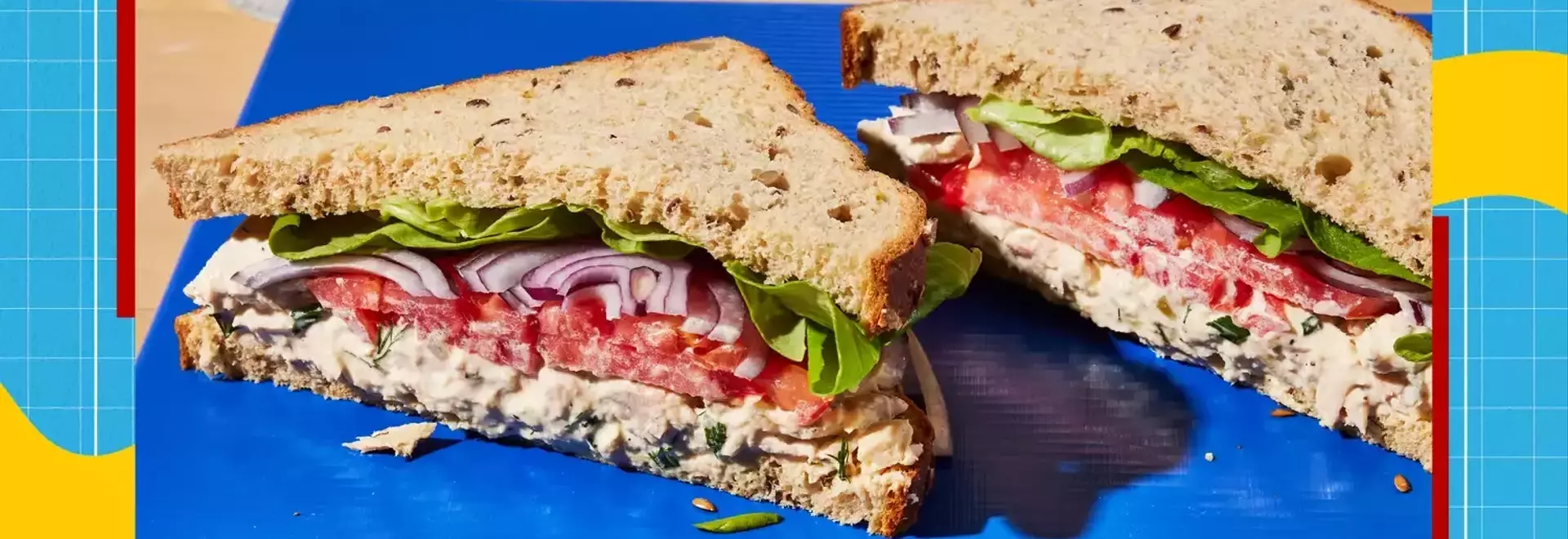
To further enhance your tuna salad experience, consider diverse serving options. For a traditional approach, toasted whole-wheat bread or saltine crackers are excellent choices, as is serving it atop a green salad. For tuna melts, sourdough and rye bread are favored. A spicy tuna salad, featuring diced jalapeño peppers and cilantro, pairs wonderfully with tortilla chips. Chef Contreras also suggests serving tuna salad on vegetables like sweet potatoes, or wrapping it in tortillas or collard greens, moving beyond conventional bread-based presentations.
