The Unexpected Star of My Gaming Setup: A Simple Cushion
In an era where PC gaming enthusiasts are constantly seeking the next big performance boost, one avid gamer and hardware writer has made an unconventional discovery: the most impactful enhancement to their gaming environment this year is not a cutting-edge GPU or a new processor, but rather, a comfortable seat cushion. This unexpected revelation comes amidst a climate of escalating prices for PC gaming components, compelling many to reconsider their upgrade strategies and prioritize practical comfort over costly technological advancements.
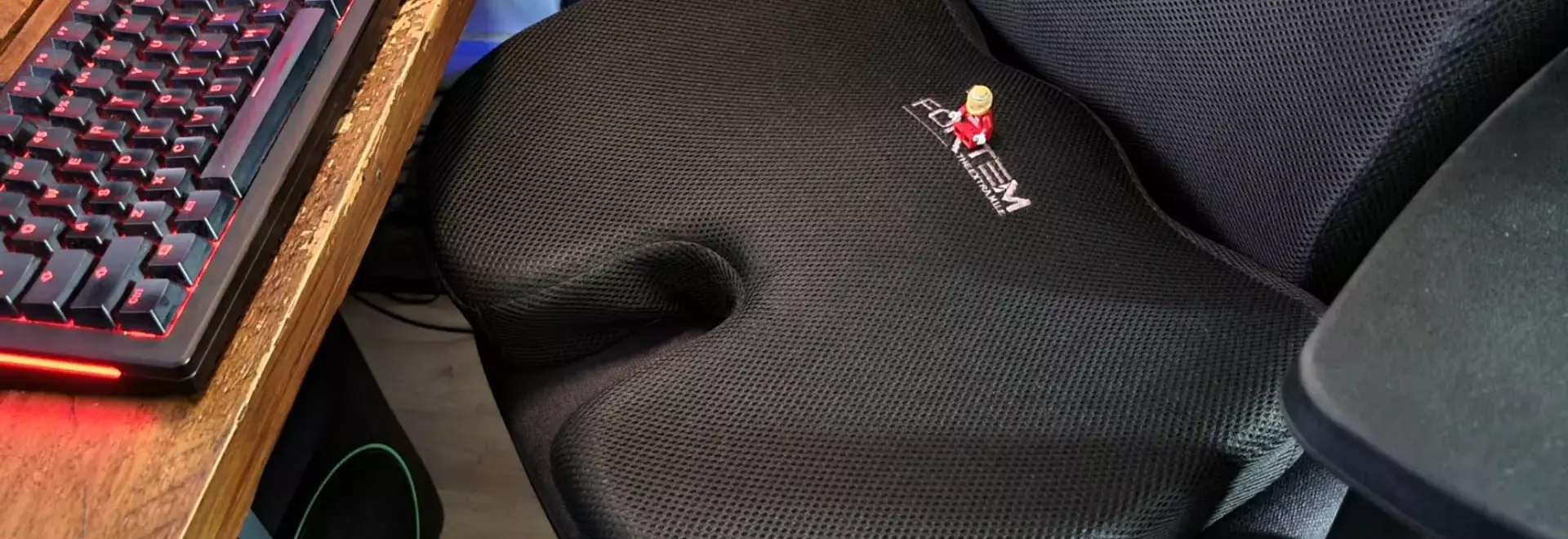
For many dedicated PC gamers, the pursuit of an optimal setup is a continuous journey, often involving significant investments in the latest technological innovations. However, the current landscape of the PC hardware market presents a challenging scenario. The author, a seasoned hardware writer with access to a wide array of new gear, found themselves in a unique position where their personal spending on upgrades led to a surprisingly humble yet profoundly effective item. Specifically, the purchase of a cushion for their gaming chair has been lauded as the most substantial improvement to their comfort during extended gaming sessions. This personal anecdote underscores a broader issue within the industry: the dramatic increase in pricing for essential components like graphics cards, RAM, and SSDs. What was once a routine upgrade path has become a luxury for many, forcing them to pause and evaluate the true value of their investments.
The core of the problem lies in the "stupendous price rises" witnessed across various segments of the PC gaming hardware market throughout the year. The author highlights that while their current gaming rig capably handles most titles, the prohibitive cost of upgrading key components like DDR5 memory and large-capacity SSDs makes such investments difficult to justify. For instance, a 64 GB DDR5 kit now commands a price significantly higher than what a 32 GB kit cost just a few years prior, illustrating the steep inflation. Similarly, a desirable 4 TB SSD carries a price tag that many find unreasonable. This financial barrier extends to graphics cards, where even mid-range options like the RTX 5070 are priced well above what would typically be expected, pushing consumers towards more budget-friendly (and often less powerful) alternatives like the RTX 5060 Ti or RX 9070 GRE. This situation leads to a dilemma for many gamers: either endure with their existing setups or commit to spending exorbitant amounts for marginal performance gains.
As the holiday sales season approaches, with events like October Prime Day and Black Friday on the horizon, there's a glimmer of hope for some relief. The author expresses optimism that these sales might bring meaningful discounts, allowing gamers to acquire some desired hardware without breaking the bank. While major component upgrades might remain out of reach for many due to the persistent impact of factors like AI server demand on consumer markets, there's a more positive outlook for peripherals. Gaming monitors, mice, keyboards, and controllers have largely dodged the sharp price increases seen elsewhere and are frequently discounted during sales events. This offers a viable avenue for many to enhance their gaming experience, even if it's not the coveted GPU or memory upgrade they initially sought. The sentiment shared by many in the PC gaming community is one of patience and strategic waiting, hoping for a return to more accessible pricing and the joy of upgrading without undue financial strain.