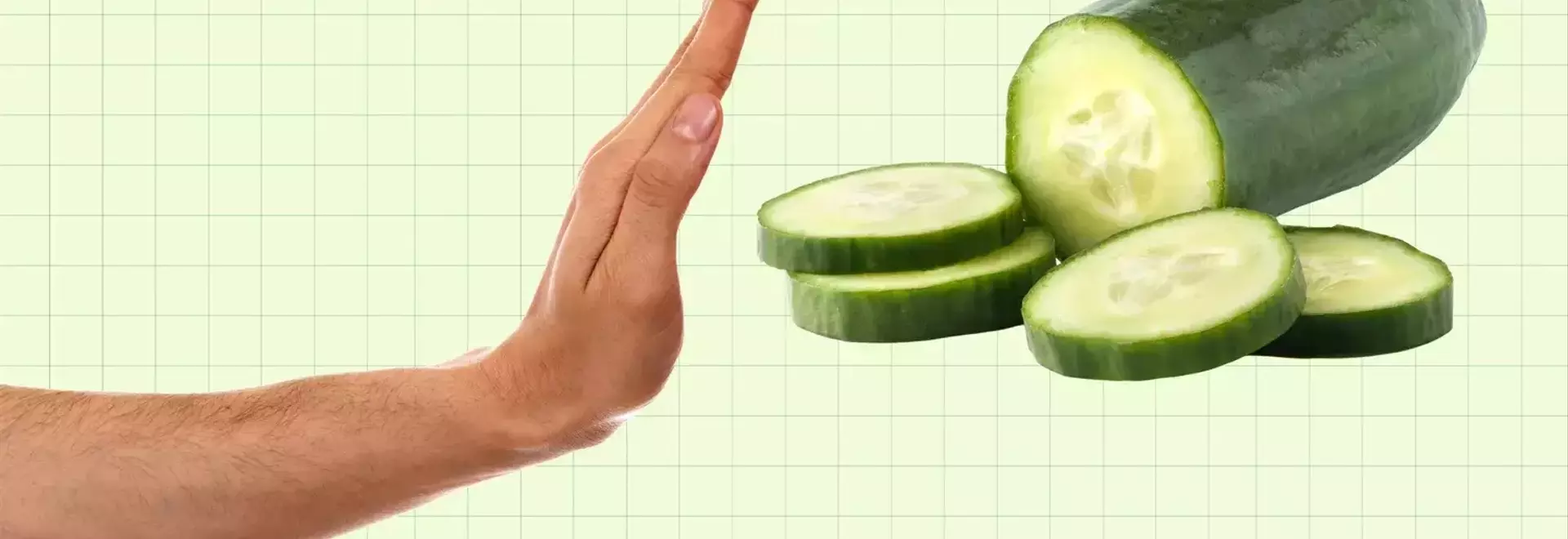
The Unexpected Aversion: A Culinary Professional's Dislike for Cucumbers
Even for those deeply immersed in the world of food, a strong personal dislike for certain ingredients can persist. This piece delves into one culinary expert's profound and unwavering distaste for cucumbers, a common garden vegetable that evokes a reaction akin to revulsion. Despite a professional background that includes fine dining and recipe development, the author finds the very scent of fresh cucumbers off-putting. This peculiar aversion, seemingly shared across generations within her family, highlights the subjective nature of taste and how deeply ingrained some food preferences can be.
The author, a seasoned culinary professional and food writer, candidly admits her single most intense food aversion is to cucumbers. She describes the fresh vegetable as having a smell and taste she equates to decaying refuse, a sentiment so strong it turns her stomach. This deeply held dislike extends to the point where, despite her love for diverse cuisines and adventurous eating, she actively avoids fresh cucumbers in all forms. This personal culinary quirk stands in contrast to her otherwise broad and appreciative palate.
The aversion appears to be a family characteristic, tracing back to her grandfather, affectionately known as “PopPop,” who also couldn't tolerate cucumbers, despite his generally unpicky eating habits. This shared trait was further discovered in a cousin, creating a sense of camaraderie over their unique, shared culinary dislike. The author recounts how this revelation provided a comforting validation that she wasn't alone in her peculiar palate.
The article touches upon the scientific possibility of a genetic link to this aversion, drawing parallels to the common genetic sensitivity to cilantro, which makes it taste like soap to some individuals. While the TAS2R38 gene, responsible for bitter taste sensitivity, is considered, the author notes that her reaction to cucumbers isn't bitterness but rather a taste she vividly describes as "degrading compost." This suggests a more complex interplay of sensory perception beyond simple bitterness.
Despite her profound dislike, the author maintains a yearly ritual of attempting to enjoy a fresh cucumber from her garden, often to the amusement of her daughters, who witness her inevitable gagging and spitting out the offending slice. The only exception to this lifelong aversion is heavily pickled cucumbers. If sufficiently transformed by the pickling process, they become palatable and even enjoyable, a stark contrast to her reaction to their fresh counterparts. This distinction underscores how processing can alter a food's sensory profile enough to overcome deeply ingrained aversions.
Interestingly, the author also identifies a similar, though less intense, aversion to certain forms of watermelon, a close botanical relative of the cucumber. The greenish parts of an unripe or less sweet watermelon can trigger the same unpleasant cucumber-like taste for her, particularly in pink-fleshed varieties. This suggests that the chemical compounds responsible for her dislike might be present in varying degrees across the Cucurbitaceae family.
This culinary professional's experience illustrates the deeply personal and sometimes inexplicable nature of food preferences. While she can politely consume other less-favored foods like water chestnuts or sun-dried tomatoes, the cucumber remains her singular, unconquerable culinary foe. Each summer brings a new, albeit futile, attempt to embrace the garden staple, yet the pickled form remains the only acceptable iteration of this much-maligned vegetable.
