Understanding and Improving Children's Pencil Grip
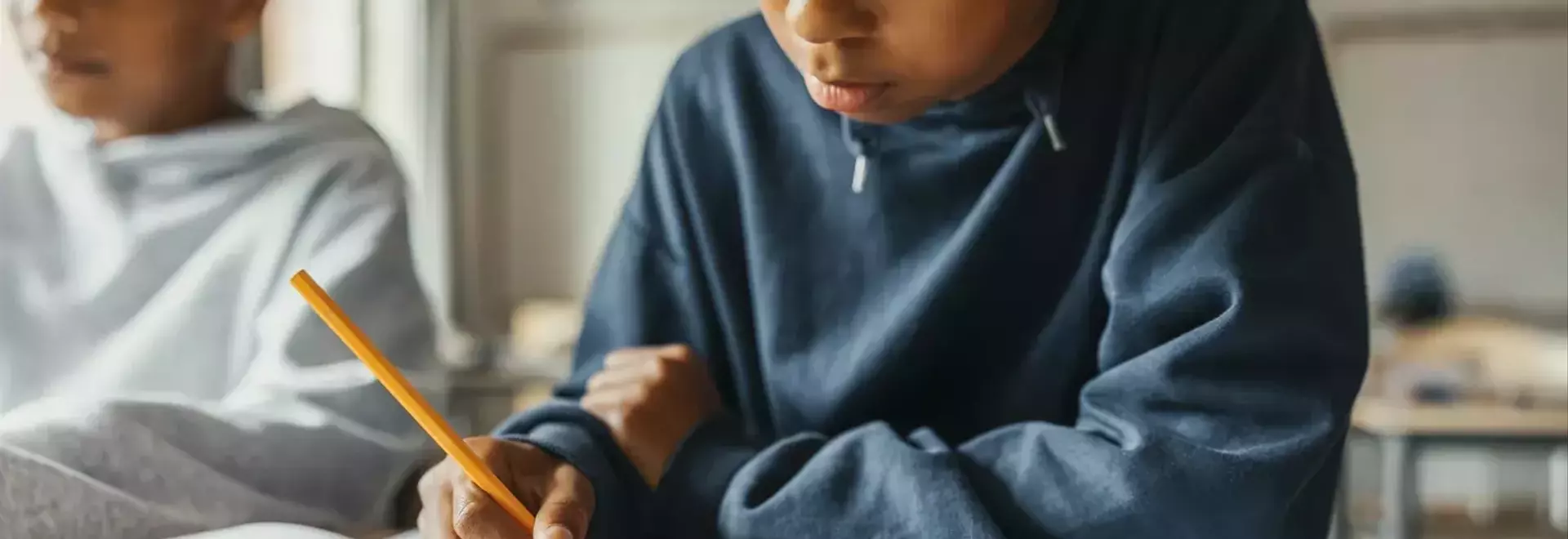
A common challenge for many young learners is establishing the correct pencil grip, an issue that impacts a significant percentage of preschoolers. Instead of using the ideal tripod grasp, where the pencil rests between the thumb and index finger and is supported by the middle finger, many children resort to a fisted grip. This can make writing and coloring uncomfortable and lead to fatigue. Erica Mallery, a mother from Colorado, observed this in her own daughter, who initially showed little interest in artistic endeavors until her grip improved. This experience highlights how fundamental fine motor skills are for a child's engagement with creative and academic tasks.
Educators and therapists increasingly report a rise in children exhibiting underdeveloped fine motor skills, with screen time being a major contributing factor. Kirsten Horton, assistant director for Lower School Admissions in Raleigh, North Carolina, notes that over half of kindergarten applicants lack a functional tripod grip, often presenting with fisted grips or quickly tiring hands. Similarly, Laura Robinson, a special education teacher, confirms that a four-finger fist grasp is typical for many preschoolers. While some developmental delays are natural, the digital age has inadvertently diminished opportunities for children to engage in hands-on activities crucial for building hand strength and coordination. Activities like playing with dough, stringing beads, and using scissors, which were once commonplace, have been sidelined, leading to a direct impact on children's ability to hold and control a pencil effectively.
Addressing these challenges is crucial for a child's overall development and academic success. Without intervention, poor pencil grip can lead to chronic hand pain, muscle fatigue, and illegible handwriting, which can hinder academic progress, especially with the renewed emphasis on handwritten assignments. While some children may require alternative grips due to physical limitations, such as hypermobile joints, for most, targeted activities can make a significant difference. Parents can implement simple strategies at home, like the "pinch and flip" method, drawing on vertical surfaces, using short writing tools, or employing pencil grips. Encouraging hands-on play with clay, scissors, beads, and small blocks can build the necessary hand and finger strength. Ultimately, fostering environments that prioritize hands-on exploration and creative play will lay a strong foundation for both fine motor development and a lifelong love of learning and creation.
By actively promoting hands-on play and mindful engagement, we can empower children to overcome developmental hurdles and embrace their full potential. This proactive approach not only addresses immediate concerns like pencil grip but also cultivates resilience, creativity, and a deeper connection to the physical world around them.
