Understanding the 'I Grieve Different' Trend on Social Media
Navigating the Nuances of Digital Grief Expression
The Viral Evolution of an Emotional Phrase
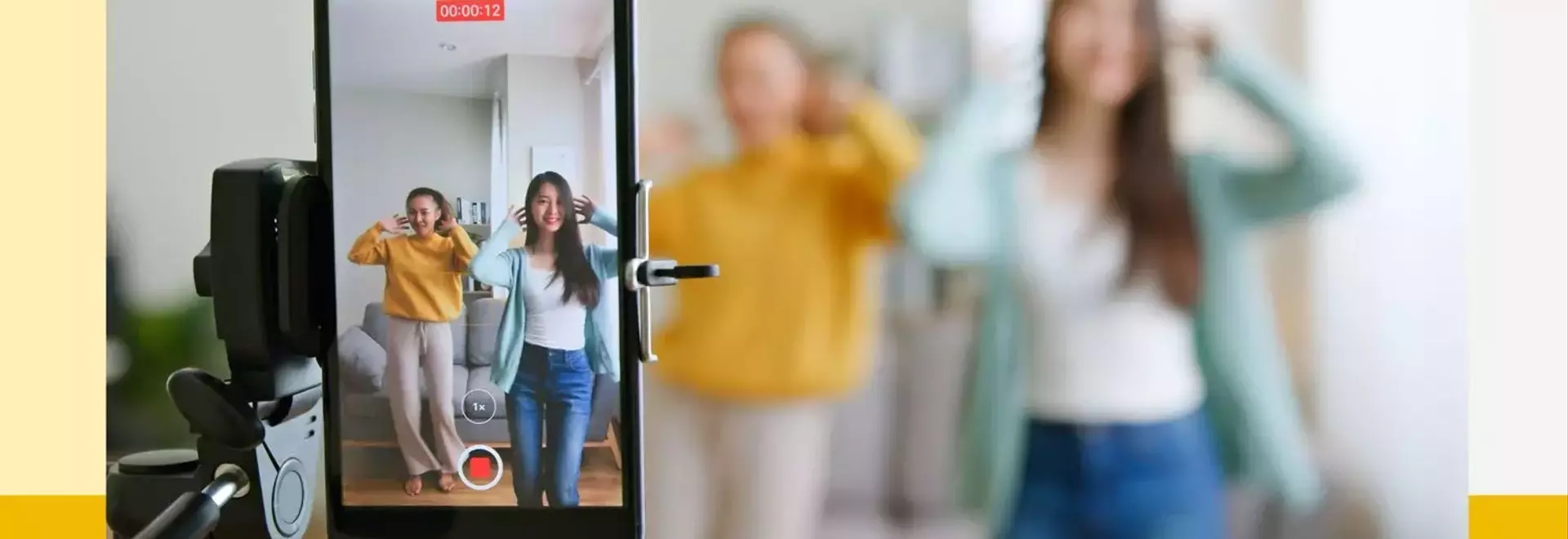
A recent cultural wave, the “I Grieve Different” trend, has swept across popular digital platforms. This distinctive phrase, drawn from Kendrick Lamar's 2022 track “United in Grief,” which delves into themes of personal sorrow and emotional distress, has been repurposed and adapted by social media users. Far removed from its initial context, the phrase now serves as a touchstone for a variety of stylized video content, ranging from introspective reflections on physical insecurities to profound discussions on past traumas, mental health challenges, and future uncertainties. These creations are often characterized by evocative music and poignant text, suggesting a unique or perhaps misunderstood personal experience of dealing with adversity. Yet, this raises a crucial question about the authenticity of these digital expressions, blurring the lines between genuine self-disclosure and curated performances for online validation.
The Repercussions of Trend Participation on Youth
The widespread adoption of this trend carries significant implications for young individuals, who are still developing their emotional frameworks. For some, engaging with or observing these videos may inadvertently normalize the idea that emotional struggles are merely aesthetic opportunities, designed for public display and social acceptance. A notable concern emerged when a dietitian observed teenagers leveraging this trend to subtly exhibit signs of disordered eating. These videos, frequently accompanied by declarations of "healthy" eating and regular exercise, would then pivot to reveal alarming health consequences like menstrual irregularities, diminished bone density, iron deficiencies, and hair loss. This pattern suggests a potentially dangerous normalization of serious health issues within a seemingly innocuous online trend.
Expert Insights on Social Media's Influence
Mental health professionals voice strong apprehension regarding the trend's superficiality. Monique Bellefleur, a licensed mental health counselor, emphasizes that while the trend might appear to foster openness about personal growth and achievement's darker aspects, these revelations are often framed in a lighthearted, easily consumed manner, prioritizing engagement over genuine introspection. She cautions that critical issues like eating disorders warrant more profound consideration than a fleeting social media trend can offer. The danger lies in the trend normalizing severe symptoms such as amenorrhea, hair loss, and malnutrition, often omitting the crucial fact that eating disorders can be fatal, and recovery is achievable through professional help. Bellefleur further explains that social media's rapid influx of stimuli profoundly impacts adolescents, who are already prone to social comparison. Platforms like TikTok intensify this by constantly showcasing curated lifestyles, potentially fostering unhealthy internalized messages about body image and dietary practices, often concealing the edited realities or personal sacrifices behind such portrayals.
The Erosion of Genuine Concern Amidst Casual Content
Echoing these concerns, psychologist Lara Zibarras highlights how the trend subtly applauds achievements attained through what are misleadingly termed "small sacrifices." She stresses that when these so-called sacrifices involve mental health deterioration, hair loss, or disordered eating, the underlying severity is trivialized. Adolescents might casually relate to these posts without fully grasping the gravity of the behaviors depicted. This transforms serious health conditions into something seemingly normal or even desirable, thereby blurring the critical distinction between genuine health concerns and casual online content. Zibarras points out that for teenagers, who are in a critical phase of identity formation, social media offers both a sense of community and immense pressure to conform. She shares anecdotes of clients who failed to recognize their disordered eating patterns because their online peers were engaging in similar behaviors, reinforcing a distorted sense of normalcy.
Guiding Adolescents Through Digital Landscapes
Parents play a pivotal role in mitigating the negative impacts of such trends. Dr. Zibarras advises parents to remain vigilant for shifts in their children's eating habits, such as food avoidance, meal skipping, or reluctance to dine with the family. She advocates for fostering open dialogue, suggesting that parents inquire about their children's feelings, their online experiences, and any anxieties related to food or body image. She emphasizes that an approach rooted in curiosity and connection is far more effective than criticism. Bellefleur suggests empowering children to critically evaluate online content by prompting questions such as whether the portrayed lifestyles are realistic, if they are seeing the full picture, and how the content makes them feel personally. Additionally, psychiatrist Malika Closson underscores the importance of maintaining fluid communication channels with teenagers and staying informed about evolving social media trends. She advises parents to watch for warning signs of mental health issues, including increased isolation, altered sleep patterns, diminished interest in former hobbies, or academic decline.
A Glimmer of Hope Amidst the Digital Noise
Despite the inherent concerns, Dr. Closson acknowledges some positive aspects of the "I Grieve Different" trend. She posits that its core motivation is often a desire for connection and a reduction of isolation, enabling young people to find common ground through shared emotional experiences. While she acknowledges that an over-reliance on social media for emotional expression can be problematic, she highlights the trend's potential to normalize the coexistence of positive experiences with their inherent challenges. For instance, some videos portray the joy of summer break alongside the necessity of full-time employment, or the excitement of new romance tempered by anxieties about vulnerability. These shared narratives, she notes, foster a collective understanding that life's positive aspects frequently come with a negative counterpart, thereby creating a sense of shared human experience and reducing feelings of solitude.
