Understanding Hanukkah: History, Traditions, and Teaching Children
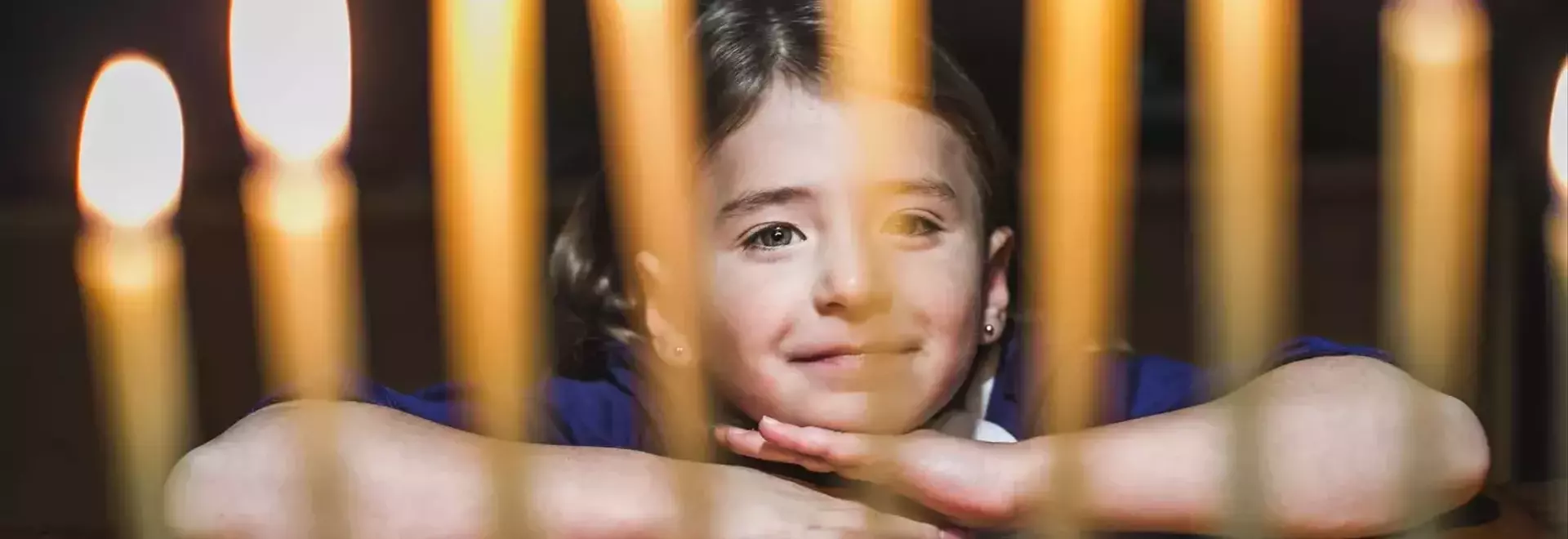
Hanukkah, also known as the Festival of Lights, signifies dedication and joy within Jewish culture. This eight-night holiday is characterized by the warm glow of candles in a menorah, symbolizing a profound historical miracle and conveying feelings of comfort and hope. Educating young individuals about the narrative of Hanukkah involves simplifying its complexities while preserving its deep spiritual importance.
The origins of Hanukkah trace back over two millennia to a period when Antiochus, a Greek ruler, sought to impose pagan beliefs on the Jewish people, desecrating their temple. In response, a resilient group known as the Maccabees, led by Mattityahu and his son Yehuda, bravely challenged the Greek forces, ultimately triumphing and safeguarding the Torah. Their victory led to the rededication of the temple. During the cleansing process, a single container of sacred oil, believed to last only one night, miraculously sustained the lamp for eight nights until more purified oil could be prepared. This extraordinary event became the foundation for the Hanukkah celebration, serving as an annual reminder of the enduring power of strength, perseverance, and optimism.
The exact dates for Hanukkah vary each year because it follows the Hebrew calendar, which is based on both solar and lunar cycles, differing from the Gregorian calendar. Beginning on the 25th day of Kislev, the holiday spans eight days, typically falling between late November and late December. While historically a minor Jewish observance centered on lighting the menorah to commemorate the oil miracle, Hanukkah's traditions evolved significantly with Jewish immigration to America. Modern customs now include gift-giving, festive gatherings, and gelt (chocolate coins), transforming it into a more prominent holiday, especially for families with young children. Celebrations often feature family dinners with fried foods like latkes and jelly donuts, blessings, songs, dreidel games, and presents.
Teaching young children about Hanukkah can be a delightful and enriching experience. Educators like Barbara Gross use music, repetitive activities, and hands-on engagement to convey the holiday's essence. She crafts simple songs with associated hand movements and incorporates playtime with toy sets, such as frying latkes, and activities like peeling stickers to reinforce lessons and develop fine motor skills. Stacey Palker, a kindergarten teacher, emphasizes the concept of 'light' by utilizing a light table to demonstrate contrasts and suggests using hand-painted peg dolls to enact the Hanukkah story with different voices. This encourages imaginative play, allowing children to re-enact the narrative and internalize its meaning, with the dolls becoming cherished keepsakes passed down through generations. Such creative approaches make the story accessible and memorable, ensuring that the holiday's values of resilience and spiritual illumination continue to inspire.
