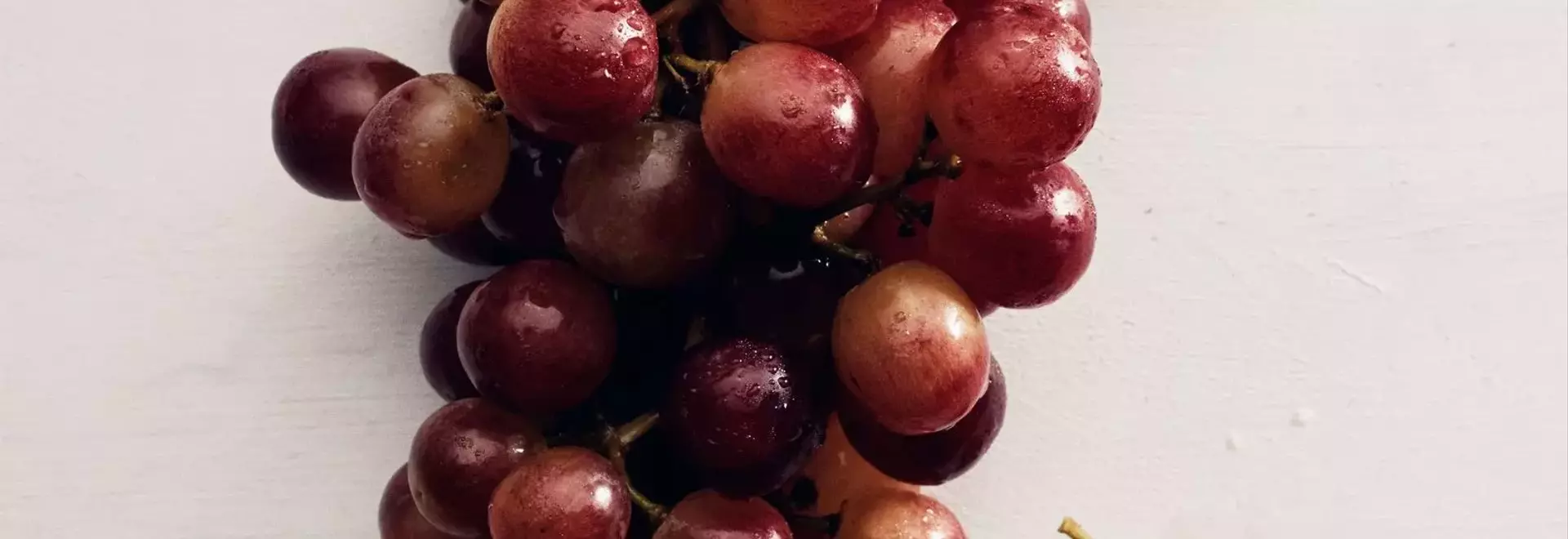
The Ultimate Guide to Prolonging Grape Freshness
This comprehensive guide delves into the optimal methods for preserving the freshness of grapes, drawing on scientific insights and practical experiments. It highlights that the conventional wisdom of pre-washing grapes can actually accelerate spoilage and introduces a more effective technique involving vinegar vapor. By understanding the factors that influence grape deterioration, such as moisture control and microbial activity, consumers can significantly extend the shelf life of their fruit, ensuring they remain succulent and vibrant for an extended period. The findings offer a fresh perspective on fruit preservation, moving beyond common practices to embrace more scientifically sound approaches.
The journey to deciphering grape preservation involved a series of controlled experiments. Initially, a control group of grapes, left unwashed in their original perforated packaging within the refrigerator, demonstrated remarkable resilience, retaining plumpness and juiciness for a full week without any signs of mold. This observation underscored the intelligent design of the grocery store packaging, with its perforations skillfully regulating humidity and an absorbent pad preventing water accumulation, factors crucial for inhibiting decay. Food expert Nik Sharma explained that these seemingly simple bags are marvels of engineering, expertly balancing moisture to keep grapes from drying out while also preventing sogginess.
A common misconception, pre-washing grapes, was put to the test. Grapes rinsed under cold water immediately after purchase, then dried and refrigerated, exhibited a faster decline in quality compared to the unwashed control group. They developed a mushier texture, wrinkled skins, and discoloration within a week. Sharma elucidated that washing compromises the grapes' natural protective 'bloom'—a powdery film—making them more susceptible to moisture loss and microbial invasion. This suggests that washing, while intended for cleanliness, inadvertently creates an environment conducive to faster spoilage.
Further investigation explored the efficacy of a vinegar and water solution as a pre-storage wash, a method inspired by other culinary tests. While vinegar's acetic acid can lower pH and potentially deter certain bacteria, our tests showed results comparable to simply leaving grapes unwashed in their bags, not offering a significant advantage over the control. Sharma cautioned that vinegar isn't a universal antidote, as some microorganisms, like yeast, can tolerate low pH or even utilize vinegar as a nutrient source, limiting its effectiveness in preventing all forms of spoilage.
Alternative storage containers were also examined. Storing washed grapes in a colander, intended to enhance airflow, led to slightly drier grapes, indicating that excessive air circulation can be detrimental. Conversely, an airtight plastic container proved to be the worst option, resulting in soggy, mushy grapes due to trapped moisture and restricted airflow, creating an ideal breeding ground for spoilage organisms. Sharma emphasized that while fresh fruit holds abundant moisture, it's the 'water activity' that truly dictates spoilage. Ample water and sugar provide a fertile environment for microbes; the more accessible this water, the more efficiently they metabolize and accelerate decay.
The most successful storage method emerged from Sharma's suggestion: incorporating vinegar vapor. By placing a paper towel lightly dampened with white distilled vinegar into the bag of unwashed grapes, a protective environment was created where bacteria struggled to thrive without direct contact with the acidic solution, thus avoiding damage to the fruit skins. This technique yielded grapes that were noticeably crisper, juicier, and fresher-tasting after a week, outperforming all other tested methods. This simple yet effective strategy not only prolonged freshness but also simplified the storage process, requiring only a brief rinse before consumption to remove any residual vinegar scent.
For optimal grape freshness, store them unwashed in their original perforated bag or a similar breathable container. Place a paper towel lightly dampened with white distilled vinegar inside the bag. Keep them in the refrigerator's crisper drawer, ideally set to high humidity, or on an open shelf if your crisper retains too much moisture. Always rinse thoroughly with cold running water just before eating to ensure the best taste and cleanliness. This approach, grounded in scientific understanding, maximizes grape longevity and quality.
