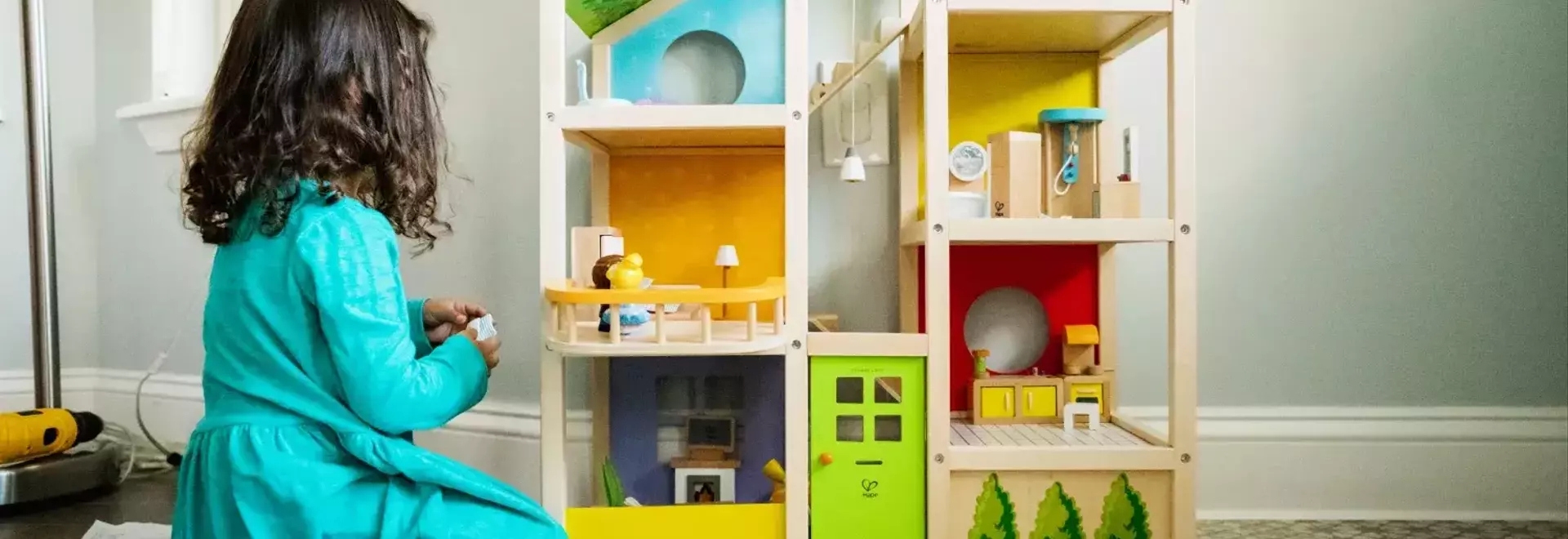
The Ultimate Guide to Dollhouses: Sparking Imagination and Development
Dollhouses, far from being mere playthings, serve as dynamic platforms for children's growth, offering avenues for imaginative exploration, social-emotional advancement, and the refinement of fine motor skills. The enduring appeal of these classic toys lies in their capacity to inspire boundless creativity, captivating both young and old alike. When selecting an ideal dollhouse, it's crucial to consider factors such as durability, ample space for collaborative play, and engaging features that ignite a child's imagination. Moreover, for parents, the ease of assembly is often a significant consideration, ensuring that the joy of a new toy isn't overshadowed by a complex setup process.
This guide delves into a diverse range of dollhouses, each thoughtfully chosen for its ability to meet these criteria, promising smiles for both children and their guardians. From majestic wooden mansions equipped with interactive elements like working elevators and garage doors, providing a grand stage for Barbie and other 12-inch dolls, to compact, portable wooden sets perfect for toddlers that encourage quiet, creative moments without extensive preparation or cleanup, the options are varied. These smaller, transportable houses come complete with furniture and dolls, fostering open-ended play that educators and parents alike value. For older children, intricate sets like the Delta Children Deluxe Maui Dollhouse offer multiple levels, numerous rooms, and a wealth of accessories, including interactive lights, sounds, and even a wave slide, transforming playtime into a vibrant, mini-world adventure for groups of friends.
Beyond traditional dollhouses, the market also offers innovative alternatives that cater to specific interests and developmental stages. For instance, Lego Friends Adventure Camp Tree Houses and LEGO DUPLO 3-in-1 Tree Houses merge the appeal of dollhouses with the constructive fun of building blocks, promoting creativity, outdoor connection, and the development of fine motor skills for different age groups. Interactive playsets like the Monster High Haunted High School and Gabby's Dollhouse further enrich play experiences with unique features such as secret passageways, swiveling staircases, and character-specific elements, encouraging elaborate storytelling. Even portable options like the Polly Pocket Micro Dolls & Large Gelato House Playset and themed houses like the Peppa Pig Family House cater to on-the-go play and fandoms, ensuring that imaginative adventures are never far away. These selections not only provide entertainment but also support crucial developmental milestones through engaging, hands-on experiences.
The selection of a dollhouse is an investment in a child's imaginative world and developmental journey. By choosing a dollhouse that aligns with age recommendations, offers interactive features, fits designated play spaces, and is made from durable materials, parents can provide a lasting source of joy and learning. Whether it's fostering collaborative play, encouraging independent storytelling, or refining motor skills, the right dollhouse creates a nurturing environment for growth. The diverse array of available options ensures that every child can find a miniature home that sparks their unique creativity and contributes positively to their development, making playtime a constructive and enriching experience.
