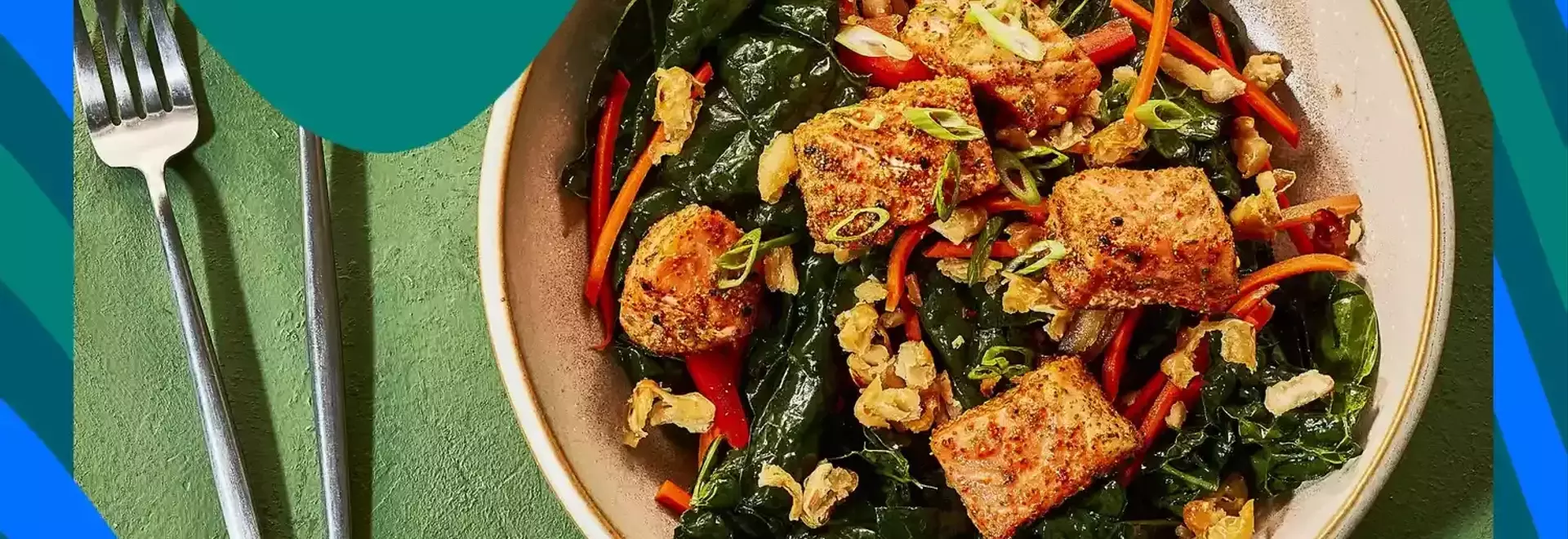
The Ultimate Dinner for Optimal Cholesterol Levels
A well-balanced dinner, such as a salmon salad with crispy white beans, offers a strategic approach to improving cholesterol levels. This meal combines lean protein, abundant plant-based fibers, and beneficial fats to reduce overall and LDL (bad) cholesterol, while simultaneously elevating HDL (good) cholesterol, thereby supporting cardiovascular health. It's a flavorful and nutritious option that integrates seamlessly into a heart-healthy lifestyle.
Nutritional Powerhouses: Omega-3s and Soluble Fiber
Integrating salmon into your diet, as recommended by the American Heart Association, provides a substantial intake of omega-3 fatty acids, crucial for cardiovascular well-being. A standard serving of cooked salmon delivers approximately 1,800 milligrams of these beneficial fats, along with essential vitamins and minerals. Omega-3s actively reduce the liver's production of LDL cholesterol, enhance triglyceride breakdown, and support HDL cholesterol's role in removing excess LDL from the bloodstream for processing. While omega-3 supplements are available, the holistic benefits of whole salmon—which contains additional bioactive compounds—may offer superior heart protection.
The Salmon Salad with Crispy White Beans is also an excellent source of soluble fiber, boasting 9 grams per serving, primarily from white beans, carrots, and kale. Soluble fiber plays a vital role in cholesterol management by binding to bile, which carries cholesterol, and facilitating its elimination from the body. This mechanism prevents cholesterol accumulation, effectively lowering LDL and total cholesterol levels. Even a modest increase of 5 grams of soluble fiber daily can lead to significant reductions in both LDL and total cholesterol. Furthermore, the resistant starch in beans, when fermented in the gut, produces metabolites that interfere with cholesterol metabolism, demonstrating that regular consumption of beans can lead to measurable improvements in cholesterol within a few weeks.
Antioxidant Benefits and Mediterranean Alignment
This plant-forward meal is abundant in antioxidants and beneficial plant compounds that shield cells from oxidative stress. Specifically, kale and garlic contribute compounds known to impact cholesterol metabolism and bolster heart health. Kale is rich in flavonoids like kaempferol and quercetin, which research indicates can lower cholesterol by influencing lipid synthesis and aiding the liver in processing cholesterol particles. While studies often focus on higher doses, regular consumption of flavonoid-rich vegetables like kale offers significant heart-protective advantages. Garlic enhances antioxidant support through compounds such as allicin, which has been shown to modestly reduce total and LDL cholesterol in various clinical trials. Even in culinary quantities, consistent inclusion of garlic in a balanced, heart-healthy diet can contribute positively to cholesterol management.
The salmon salad embodies the principles of the Mediterranean diet, an eating pattern renowned for its benefits in heart health and cholesterol regulation. This dietary approach emphasizes fatty fish, legumes, fresh vegetables, olive oil, and herbs, while moderating red and processed meats and limiting saturated fats. Adhering to a Mediterranean-style diet is linked to lower LDL cholesterol, enhanced HDL function, reduced triglycerides, and improvements in cardiometabolic risk factors such as insulin resistance. By combining fatty fish, fresh produce, olive oil, and legumes, this salad naturally incorporates multiple strategies for cholesterol reduction—more fiber, more unsaturated fats, and fewer foods that elevate LDL cholesterol—offering a comprehensive and flavorful way to support overall cardiovascular health.
