Uganda's Oil Pipeline: A Costly Development for Communities
Development's Shadow: The Unseen Burdens of Uganda's Oil Boom
Uprooted Lives: The Initial Displacement for Infrastructure
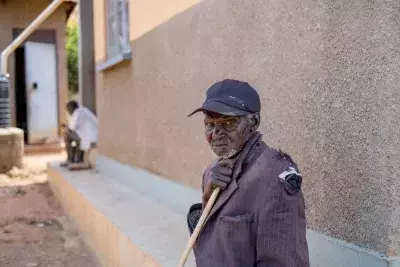
In the verdant landscapes of western Uganda, the elderly Ukura Midar, aged 88, embodies the deep-seated sorrow of displacement. Forcibly removed in 2017 to make way for an airport supporting Uganda's burgeoning oil sector, he now resides in Kyakaboga, 15 miles from the home and ancestral lands he cherished for five decades. This physical relocation has also severed his spiritual connection to the graves of his deceased children, now inaccessible behind a military-guarded fence, a loss that profoundly affects his well-being.
The Grand Scale of the East African Crude Oil Pipeline's Impact
Midar's experience is not isolated; it mirrors the plight of approximately 100,000 individuals across Uganda affected by the East African Crude Oil Pipeline (EACOP) project. Spearheaded by French energy giant Total and Chinese partners, this nearly 900-mile pipeline aims to transport crude oil from Uganda's Lake Albert to Tanzania's port of Tanga. While proponents herald its potential to invigorate Uganda's economy through oil exports, for communities in its path, the immediate reality is one of profound disruption and material loss.
The Erosion of Family Bonds: A Societal Rupture
The pipeline's ramifications extend beyond physical relocation, frequently fragmenting the strong family ties that have historically bound communities. Diana Nabiruma, from the Africa Institute for Energy Governance, notes instances where physical barriers have literally bisected homesteads, separating family members. Furthermore, the influx of compensation money has, regrettably, sown discord within families, leading to mistrust and division among relatives. Jacklin, a mother of nine, exemplifies this tragic trend; her husband's abandonment and financial irresponsibility following compensation have left her and her children in dire poverty, forcing them to forgo education and struggle for basic sustenance.
Environmental Strain and Health Consequences of Industrial Expansion
Beyond the societal upheaval, the oil development has introduced considerable environmental and health challenges. Bassima Joram, a 60-year-old landowner, now endures constant noise and vibrations from the newly constructed road near his home, which connects the airport to oil sites. The road's construction has also polluted vital water sources, compelling residents to seek clean water from distant locations. Despite attempts by a grievance committee to address these issues, their pleas to contractors and authorities have been met with silence, fostering a sense of powerlessness and psychological distress within the community.
The Unfair Exchange: Disillusionment with Compensation Practices
A recurring grievance among affected residents is the perceived inadequacy and lack of transparency in the compensation process. Many, like Joram, recount a system where compensation values for land and crops were unilaterally determined by project authorities, leaving no room for negotiation. Despite receiving a substantial sum, Joram argues it fails to account for the long-term, generational wealth and sustenance his land provided, viewing it as a short-term payout insufficient to sustain future generations, thus undermining the concept of sustainability.
A Recurring Global Pattern: The Disconnect Between Development and Local Welfare
Advocates argue that Uganda's experience with the EACOP project mirrors a broader global pattern in extractive industries. While governments and corporations promote economic prosperity and development, the lived experiences of affected communities frequently reveal a starkly different narrative. The psychological burden of severed ancestral ties, the economic hardship faced by displaced families, and the unaddressed grievances highlight a profound disconnect. As Uganda's oil production gears up, these communities remain caught between national aspirations and their immediate, disrupted realities, bearing costs often omitted from economic assessments and corporate sustainability reports. Despite assurances from EACOP of fair restitution and financial literacy training, the deeply personal struggles of individuals like Midar, Jacklin, and Joram persist, serving as a poignant reminder of development's true human toll.
