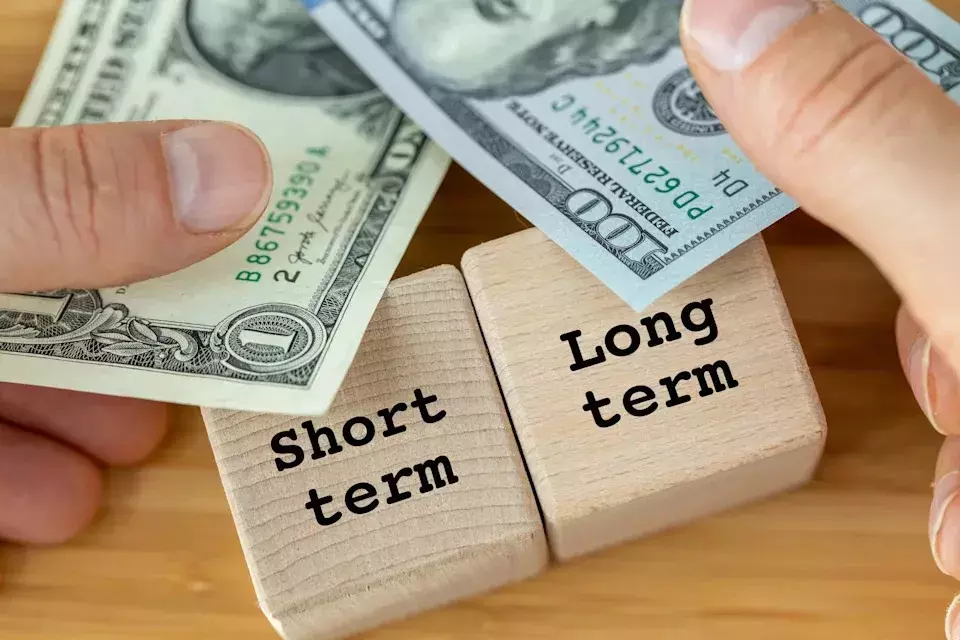
Treasury's Short-Term Debt Strategy Under Pressure Amid Rising Rates
The United States Treasury's strategy of heavily relying on short-term debt, a practice adopted to minimize borrowing costs, is now under considerable scrutiny. This approach, while fiscally advantageous during periods of low interest rates, presents a significant risk as the Federal Reserve indicates a more aggressive stance towards monetary policy. The prospect of rising rates means a substantial portion of the national debt, frequently refinanced, will incur higher interest payments, potentially straining federal finances and influencing broader economic conditions, including household credit.
The current landscape highlights a critical juncture for the Treasury. Its historical preference for short-term bills, which mature in a year or less, was a sensible decision given their lower issuance costs compared to longer-term bonds. This method helped manage the national deficit, projected at approximately $2 trillion annually. However, with nearly a third of the federal debt due for refinancing within the next year, and the Federal Reserve signaling a potential shift towards rate increases under new Chair Kevin Warsh, this strategy's sustainability is being questioned. The decision to maintain significant short-term debt commitments, despite these changing economic signals, represents a calculated gamble in a volatile financial environment.
The US Treasury's Short-Term Debt Strategy and its Foundations
The US Treasury's historical emphasis on short-term debt instruments, such as Treasury bills with maturities of one year or less, was primarily driven by a pragmatic financial calculus. During extended periods of low interest rates, these shorter-duration instruments offered a cost-effective means of financing the national debt, presenting lower initial issuance expenses compared to longer-term bonds. This strategy allowed the government to manage its substantial annual deficits, which have consistently hovered around the $2 trillion mark, by leveraging cheaper borrowing opportunities. The preference for short-term debt was a rational response to prevailing economic conditions, aiming to minimize the immediate financial burden on federal coffers.
This approach, however, has concentrated a significant portion of the national debt into instruments that require frequent refinancing. According to reports, approximately 85% of recent debt issuance has been in the form of Treasury bills. This has resulted in a situation where roughly 20% of the total outstanding federal debt matures within the next four months, and about 33% within a year. While this structure was beneficial when rates were declining, it exposes the Treasury to considerable refinancing risk if interest rates were to unexpectedly rise. Treasury Secretary Scott Bessent, despite previously critiquing this strategy, has largely continued it, committing to maintaining current coupon and floating rate note auction sizes, indicating a sustained reliance on short-term financing even as economic signals suggest a potential shift towards higher rates.
Impact of Federal Reserve's Hawkish Stance on National Debt and Economy
The Federal Reserve's evolving monetary policy, particularly its increasingly hawkish posture, poses a significant challenge to the US Treasury's debt management strategy. Any upward adjustment in short-term interest rates, as indicated by some Fed policymakers and market analysts, would directly translate into higher refinancing costs for the substantial volume of short-term federal debt. This scenario represents a critical risk, as each dollar of short-term debt is subject to repricing soon, transforming what was once a cost-saving measure into a potential financial liability. The unexpected tightening of monetary policy could significantly inflate the government's annual interest payments, which are already projected to reach substantial figures.
The ripple effects of a hawkish Fed and rising interest rates extend beyond federal finances, influencing the broader economy and individual households. Increased short-term yields attract capital towards cash and money market funds, drawing funds away from riskier investments like equities, which must then offer higher returns to remain competitive. More directly, the rates on consumer credit products, such as credit cards and small business loans, are closely tied to the short end of the yield curve. Therefore, any hike by the Fed would inevitably lead to higher borrowing costs for consumers and businesses, further tightening financial conditions and potentially impacting economic growth. The decision by the Federal Open Market Committee (FOMC) in the coming months, and the Treasury's subsequent refunding strategy, will be critical indicators of how these interwoven financial dynamics will unfold.
