Sudan's Hunger Crisis: A Rare Famine Declaration and the Global Response
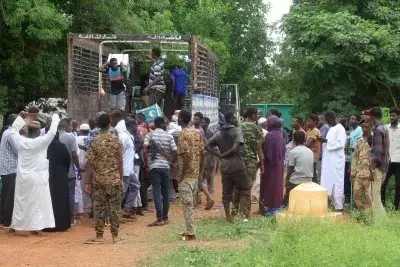
A critical hunger situation has emerged in Sudan, leading to a formal declaration of famine, a pronouncement that is made only in the most severe circumstances. This marks the second such declaration in 2025, underscoring the escalating global food insecurity. The classification by the Integrated Food Security Phase Classification (IPC) highlights dire shortages of essential resources, including nourishment, hydration, and medical supplies, in conflict-ridden areas. This grim assessment follows a similar declaration regarding Gaza earlier in the year, drawing attention to the profound challenges in monitoring and addressing widespread starvation.
The Global Standard for Famine Assessment
The international community relies on a precise, agreed-upon framework to evaluate the severity of hunger crises globally. This structured approach, rooted in the recognition of a critical need for consistent data during widespread food shortages in the 1980s, has evolved to provide clear definitions and monitoring mechanisms. Organizations such as the Famine Early Warning Systems Network (FEWS NET) and the Integrated Food Security Phase Classification (IPC) play pivotal roles in this system, offering independent, evidence-based analysis to guide humanitarian efforts and prevent future catastrophes. This systematic monitoring ensures that aid organizations and governments can respond effectively to emerging food emergencies worldwide.
The current methodology for evaluating food insecurity, primarily coordinated by the IPC, involves a five-phase scale, ranging from minimal food insecurity to catastrophic famine. Phase five, signifying famine, is triggered only when at least 20% of households face extreme food scarcity, 30% of children under five suffer from acute malnutrition, and a specific mortality rate from non-traumatic causes is observed. This rigorous criteria means that many individuals may experience severe hunger and related deaths before a formal famine declaration is made. The process emphasizes a collaborative effort among global experts to ensure accuracy and consensus in reporting, thereby mobilizing an urgent international response.
The Urgency of Action in Preventing Widespread Starvation
The formal classification of famine, although rare, serves as a critical alert to the international community, signaling a dire humanitarian crisis that requires immediate and substantial intervention. Even before the official declaration, populations in affected regions often face severe starvation, exacerbated by conflict and limited access to essential resources. The established thresholds for famine are extremely high, meaning that by the time these conditions are met, a significant number of people are already enduring catastrophic food shortages and mortality. This highlights the importance of early warning systems and preventative measures to avert full-scale famine.
Despite the severity implied by a famine declaration, the situation is not without hope. Humanitarian organizations stress that widespread starvation can be mitigated and eventually overcome if hostilities cease and unfettered access is granted for aid distribution. The primary objective of the global famine classification system is to provide a clear, undeniable call to action for governments, international bodies, and aid groups. It underscores the moral imperative for the world to respond swiftly and decisively, leveraging real-time data and collaborative efforts to ensure that vulnerable populations receive the life-saving assistance they desperately need before it's too late.
