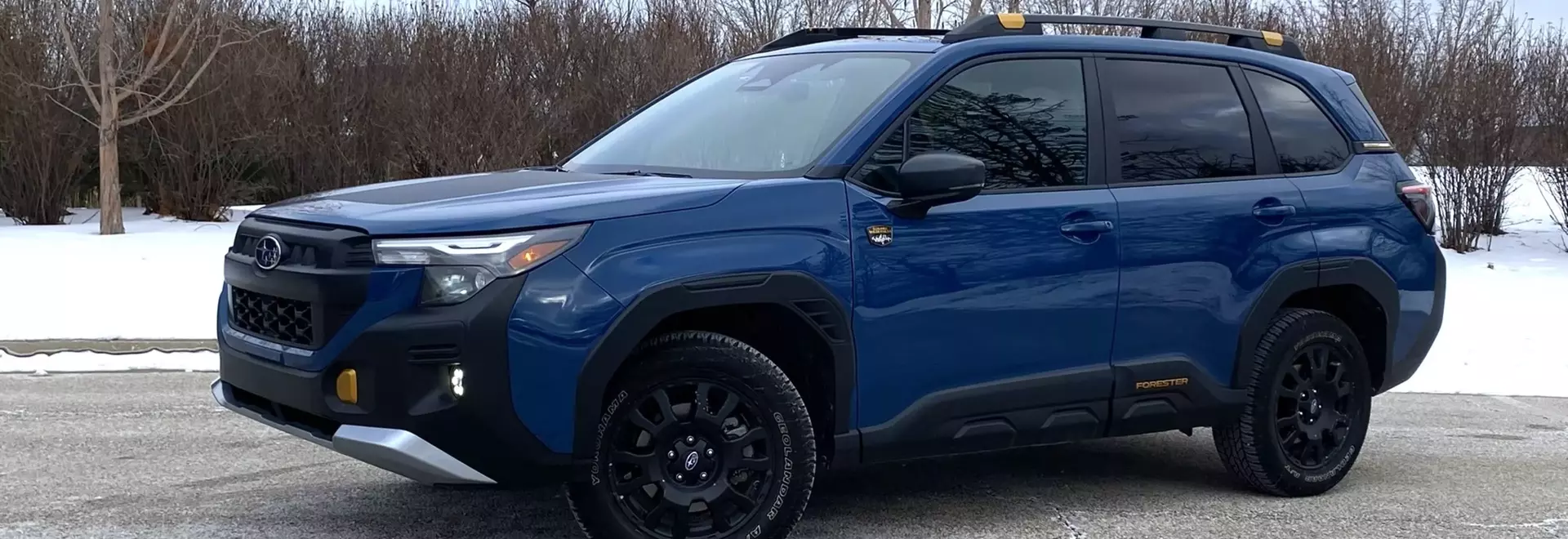
Subaru's Tech Dilemma: Why the 2026 Forester Wilderness Falls Short Compared to the Outback
In the realm of automotive innovation, two models from the same manufacturer, the Subaru Forester Wilderness and the Subaru Outback Limited, present a striking contrast in their technological evolution. The Forester, a consistent best-seller for the brand, has undergone a recent redesign, yet its in-cabin technology remains largely unchanged from its predecessor. This decision is particularly perplexing given that the Outback, redesigned merely a year later, showcases a significantly enhanced and user-friendly interface. The divergence in their tech philosophies highlights a missed opportunity for the Forester, which, as Subaru's flagship model, arguably deserves the most advanced and intuitive features the brand can offer.
A critical point of contention lies in the Forester's continued dependence on its touchscreen for fundamental climate controls. This approach, inherited from previous generations, leads to frustrating delays and an unresponsive system during initial startup. Imagine attempting to adjust the heated seats or fan speed, only to find the screen unresponsive, then witnessing a delayed cascade of commands executing all at once—a scenario not only inconvenient but potentially hazardous due to driver distraction. This contrasts sharply with the Outback's redesigned cabin, which champions a more balanced approach, incorporating dedicated physical controls alongside a responsive touchscreen. This thoughtful integration of tactile and digital interfaces in the Outback signifies a substantial leap forward in user-centric design, making everyday interactions more seamless and safer.
The discrepancy in technological advancement between these closely related models suggests that Subaru might be overlooking the practical needs of its most loyal customers. As drivers navigate busy commutes, manage family demands, and brave various weather conditions, a car's interior should serve as an intuitive and reliable extension of their needs. The Outback's refined cabin, with its clear displays, logical layout, and immediate response, embodies this ideal. For the Forester to truly live up to its reputation as a dependable daily driver, it desperately needs to adopt this forward-thinking design. Prioritizing user experience in its most popular model would not only enhance driver satisfaction but also reinforce Subaru's commitment to thoughtful engineering.
Ultimately, the technological gap between the Forester Wilderness and the Outback Limited underscores a crucial lesson for manufacturers: user-friendliness should never be an afterthought, especially in vehicles that are central to a brand's identity and sales performance. By embracing a holistic approach to design, one that seamlessly blends innovative technology with intuitive physical controls, carmakers can ensure that their vehicles meet not only the practical demands but also the evolving expectations of modern drivers. The future success of models like the Forester hinges on such a commitment to continuous improvement and user-centric innovation.
