Sony's Transition to Digital-Only Games: A Look Back and Forward
Sony is once again steering towards an all-digital future for its PlayStation console games, announcing that from January 2028, new titles will forgo physical disc releases entirely. This strategic shift is attributed to changing consumer habits, with a growing preference for digital media over traditional physical copies. However, this isn't Sony's first foray into a disc-less gaming experience; nearly two decades prior, the company attempted a similar move with the PSP Go, which, despite its innovative features, ultimately struggled to gain widespread acceptance among players who cherished the tangible aspect of game ownership. The current announcement has reignited debates within the gaming community, highlighting the ongoing tension between technological advancement and player sentiment regarding game acquisition and ownership.
The decision to transition to digital-only releases starting in 2028 marks a significant milestone for Sony. The company justifies this move by stating, "This is a natural direction for Sony Interactive Entertainment to adapt to consumer trends as the general preference for digital media significantly outpaces physical discs. This transition will enable us to align more closely with how most of our community prefers to access and play games today." This statement underscores Sony's belief that the market is ready for a complete digital embrace, reflecting a broader industry trend where digital sales increasingly dominate.
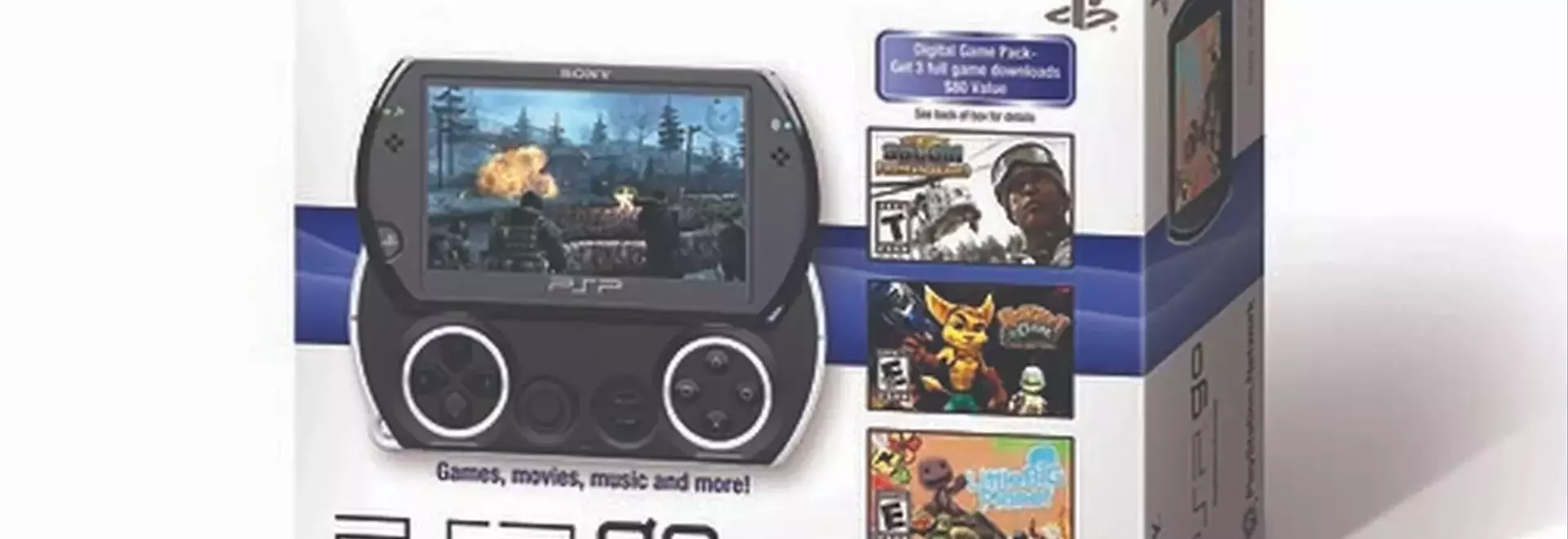
A notable precursor to this digital push was the PSP Go, launched in October 2009. This iteration of the PlayStation Portable aimed for a sleeker, lighter design, shedding the UMD disc drive in favor of digital downloads. While it introduced advanced features like Bluetooth compatibility and the ability to connect to DualShock controllers for TV play—innovations ahead of their time—it failed to capture the market's imagination as much as its disc-based counterparts. The primary challenge was consumer resistance to losing the option of physical media, a preference that allowed for a sense of true ownership and the ability to lend games to friends, a point Sony itself famously highlighted in a past advertisement against Microsoft's digital plans for the Xbox One.
Despite efforts to boost sales, including bundles of free digital games and price reductions, the PSP Go was discontinued in April 2011, just a year and a half after its launch. Sony subsequently reverted to supporting physical media with its next portable console, the Vita, demonstrating a responsiveness to consumer feedback at the time. This historical context provides a critical lens through which to view the current announcement. It raises questions about whether Sony has sufficiently gauged consumer sentiment this time around, especially given the passionate responses from players who still advocate for the preservation of physical game formats. Sony's past history of reversing unpopular policy changes, such as digital store closures, suggests that significant community backlash could potentially influence their future decisions.
In essence, Sony is once again placing a considerable bet on the future of digital distribution, trusting that the landscape of consumer preference has evolved enough to support this complete shift. While they promise to continue innovating and providing choices for purchasing games, it is clear that physical media will no longer be among those options. This move, while potentially streamlining distribution and reducing environmental impact, also necessitates a re-evaluation of what game ownership truly means in an increasingly digital world, especially for a segment of the gaming population that values the tangibility and permanence of physical collections.
