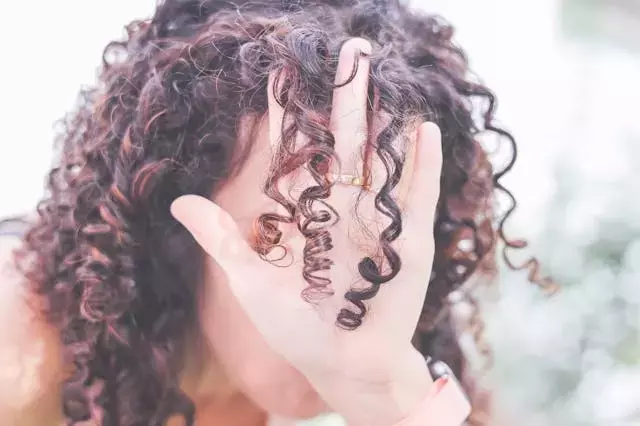
The Role of Protein in Hair Care: Fact or Fiction?
The beauty industry is awash with products touting protein as a miracle cure for hair woes. This trend has sparked considerable discussion, especially among individuals with curly hair who are constantly seeking effective solutions. Protein-infused hair products are marketed as essential for repair, strengthening, and defining hair, often listing ingredients like wheat, soy, silk, pea protein, or hydrolyzed keratin. However, the surge in protein's prominence isn't entirely new; many products traditionally contained some form of protein, but its current spotlight is largely a strategic marketing maneuver. While protein does offer benefits by patching up structural weaknesses in hair, akin to spackle on drywall, an overabundance can paradoxically lead to detrimental effects. The delicate balance between fortifying strands with protein and maintaining optimal moisture levels is crucial, as too much protein can prevent hair from equalizing moisture, resulting in dryness, brittleness, and ultimately, breakage.
Achieving healthy hair therefore necessitates a nuanced understanding of protein's role. For hair that has undergone chemical processing or sustained damage from UV rays and heat, strategic incorporation of protein can be highly beneficial, potentially on a weekly or bi-weekly basis. The aim is to provide a foundational layer of repair without creating an overburden. The challenge arises with the widespread inclusion of protein in daily hair products, making it easy to inadvertently over-treat. Signs of excessive protein include hair that feels dry, frizzy, brittle, difficult to manage, or prone to snapping. Recognizing these symptoms is vital for adjusting one's hair care regimen. By finding the sweet spot where protein provides structural integrity without compromising moisture, consumers can attain hair that is not only strong but also reflective, soft, and vibrant, with curls that beautifully bounce back into shape. This approach underscores that while protein is not a mere gimmick, moderation and informed use are paramount to harnessing its true benefits.
Understanding Protein's Impact on Hair Health
The widespread integration of protein into hair care products has garnered significant attention, prompting many to wonder about its genuine benefits versus its marketing hype. Protein, an essential component of hair structure, plays a critical role in maintaining its strength and resilience. When hair incurs damage from chemical treatments, environmental stressors like UV radiation, or thermal styling, its structural integrity can be compromised, leading to microscopic 'holes' or weaknesses. Protein-rich products aim to fill these gaps, effectively reinforcing the hair shaft and preventing further damage and breakage. Common protein sources found in these formulations include hydrolyzed wheat protein, soy protein, silk protein, pea protein, and keratin derivatives, all selected for their ability to bind to hair and offer restorative properties. However, the narrative around protein in hair care is complex, with experts highlighting that while beneficial in moderation, its overuse can lead to counterproductive outcomes. The current trend often leverages existing product formulations, making protein content a central selling point rather than a novel addition.
The concept of using protein to repair and strengthen hair is rooted in its ability to temporarily mend damaged areas, thereby enhancing hair's elasticity and reducing susceptibility to breakage. This 'spackle-like' effect is particularly advantageous for individuals with compromised hair structures. Yet, a critical caveat exists: continuous or excessive application of protein can lead to buildup, causing hair to become overly rigid, dry, and brittle. This occurs because an excess of protein can hinder the hair's ability to absorb and retain moisture, leading to a state of imbalance. Hair that is over-proteinized may feel coarse, lack natural movement, and become prone to snapping. Therefore, the key lies in discernment and balance. For hair types that are prone to damage, such as chemically treated or naturally curly hair, a targeted and intermittent application of protein-rich products can be highly effective. However, it is equally important to alternate with moisture-rich, protein-free products to ensure hair remains pliable and hydrated. Recognizing the signs of protein overload—such as unusual dryness, increased frizz, or a stiff texture—is crucial for adjusting one's hair care routine and preventing adverse effects, ultimately aiming for hair that is both strong and supple.
Navigating Protein Use: When and How Much?
Determining the appropriate use of protein in hair care hinges on understanding individual hair needs and recognizing the signs of both protein deficiency and overload. For hair that has undergone significant chemical damage, such as from coloring, perming, or relaxing, protein treatments can be immensely beneficial. The structural integrity of such hair is often compromised, making it susceptible to breakage. In these cases, incorporating protein-rich products once a week or even bi-monthly can help fortify the strands and fill in damaged areas, essentially providing a much-needed repair layer. The strategic approach involves using a protein-heavy product to initiate repair, then transitioning to protein-free alternatives for regular maintenance, ensuring that the hair receives initial fortification without subsequent buildup. Historically, professional stylists would prescribe and administer targeted protein treatments, but with protein now commonly integrated into a wide array of over-the-counter products, the risk of over-application by consumers has increased significantly.
The challenge for consumers lies in distinguishing between beneficial protein application and excessive use. Signs of protein overload often manifest as hair becoming unexpectedly dry, frizzy, brittle, or difficult to manage, along with increased breakage during brushing. If a previously effective product suddenly yields poor results, it might indicate protein buildup. To restore balance, opting for protein-free hair care products or incorporating clarifying rinses, such as an apple cider vinegar rinse, can help remove excess protein and restore moisture balance. The ultimate goal is to achieve hair that exhibits a healthy sheen, feels soft and silky to the touch, and for curly hair, maintains its natural bounce and elasticity. This balance signifies that protein is supporting hair structure without impeding its natural moisture processes. Therefore, protein in hair care is far from a mere marketing ploy; when used judiciously and with an understanding of individual hair requirements, it can be a powerful tool for maintaining strong, resilient, and beautiful hair. The emphasis shifts from merely adding protein to intelligently managing its application to avoid detrimental effects, fostering informed consumer choices for optimal hair health.
