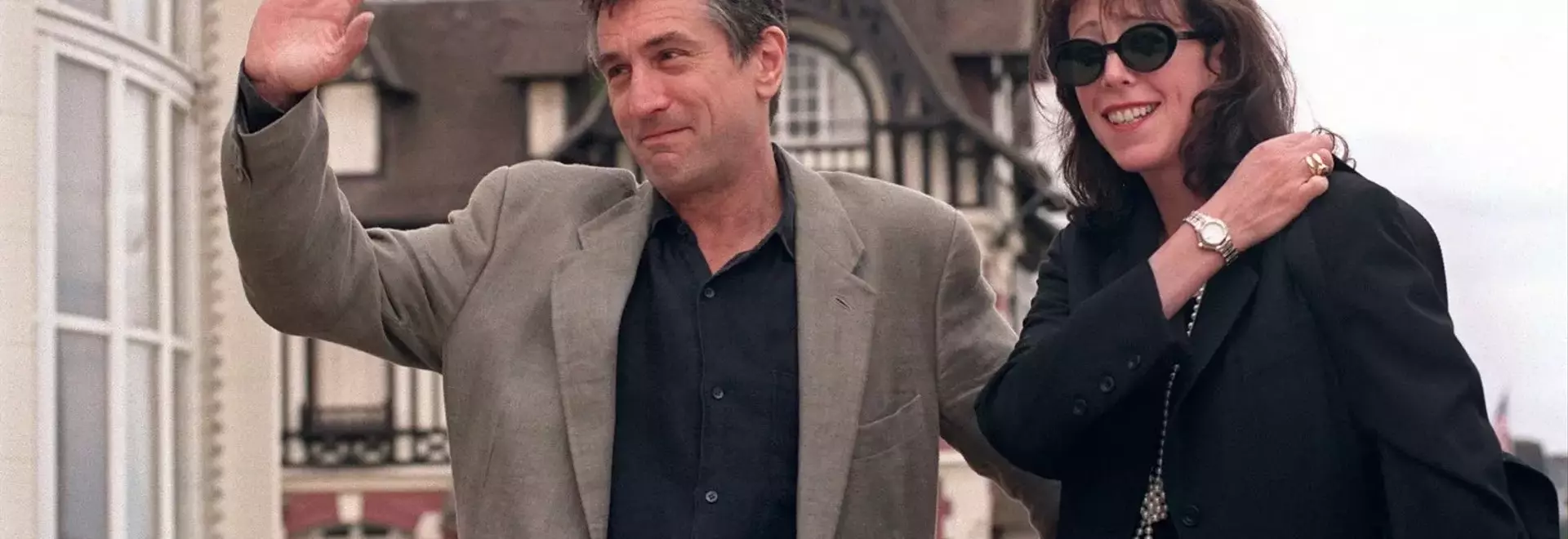
Robert De Niro and Jane Rosenthal Reflect on 25 Years of the Tribeca Festival
The Tribeca Festival, a beacon of cinematic culture and community revitalization, marks its 25th anniversary, prompting a reflective conversation with its visionary co-founders, Robert De Niro and Jane Rosenthal. Their candid interview sheds light on the festival's humble beginnings, born from a desire to heal and uplift lower Manhattan after the devastating events of 9/11, and its remarkable transformation into a globally recognized platform for diverse storytelling. This enduring collaboration, spanning nearly four decades, underscores a shared commitment to fostering artistic expression and community engagement, proving that even in the ever-shifting landscape of the entertainment industry, the power of collective experience remains paramount.
Tribeca's Journey: From Post-9/11 Revival to Global Stage
In the aftermath of the tragic 9/11 attacks in 2001, Robert De Niro and Jane Rosenthal conceived the Tribeca Festival as a crucial endeavor to rejuvenate downtown New York City. The inaugural festival, held in April 2002, emerged as a swift and heartfelt response to a community grappling with profound loss. Rosenthal initially viewed it as a one-time initiative, a civic duty to bring hope and activity back to the desolate streets. However, De Niro harbored a deeper vision, one that saw the festival as an ongoing cultural anchor for his beloved neighborhood. Their combined efforts, alongside an outpouring of support from the film industry and local New Yorkers, quickly established Tribeca as a vital cultural event. The festival's early days were marked by a commitment to inclusivity, featuring a family festival with outdoor screenings and concerts, transforming the West Side Highway into a vibrant hub of communal celebration. De Niro, who had made Tribeca his home since the early 1980s, envisioned the festival not merely for cinephiles but for everyone, aiming to integrate it into the very fabric of New York City's cultural identity. Over the years, Tribeca has championed emerging talent, with early showcases for filmmakers like Ryan Coogler, Damien Chazelle, and The Daniels, who later achieved Oscar-winning success. The festival has also expanded its scope to include podcast events and live performances, continually adapting to the evolving entertainment landscape. This year's 25th-anniversary celebration boasts a music-heavy lineup, featuring documentaries on Earth, Wind & Fire and Alicia Keys, alongside anticipated film premieres starring Oscar Isaac, Susan Sarandon, and Alicia Vikander. A highlight will be the 50th-anniversary tribute to Taxi Driver, reuniting De Niro, Martin Scorsese, and Jodie Foster, a testament to the festival's rich cinematic heritage. The genesis of their partnership traces back to 1989 when Martin Scorsese, De Niro's longtime collaborator, introduced him to Rosenthal. Despite initial reservations about leaving the studio system, Rosenthal was swayed by De Niro's vision for creating something truly unique, distinct from the predictable corporate world. Their collaboration blossomed, leading to the establishment of Tribeca Productions and a series of successful films. Their shared passion for film and a desire to contribute meaningfully to their community solidified their enduring alliance, transforming a post-tragedy initiative into a thriving global festival that continues to evolve and inspire.
The journey of the Tribeca Festival, as recounted by De Niro and Rosenthal, offers a compelling reflection on resilience, community, and the transformative power of art. It reminds us that even in the darkest times, creative endeavors can serve as a catalyst for healing and renewal. Their unwavering belief in the communal experience of film, especially in an age dominated by digital consumption, speaks to a fundamental human need for shared stories and collective moments. The festival's evolution, from a local response to a global stage, underscores the importance of adaptability and a continuous commitment to nurturing new voices, ensuring that the magic of cinema continues to inspire and unite generations.
