Rising Fuel Costs Drive US Consumers Towards Electric Vehicles
Cars

Rising Fuel Costs Drive US Consumers Towards Electric Vehicles

authorBy Jeremy Clarkson
DateMar 13, 2026
Read Time2 min

The fluctuating landscape of global events significantly impacts consumer choices, particularly in the automotive sector. Historical trends show that economic shifts and fuel price volatility often prompt consumers to reconsider their vehicle preferences, moving from larger, less efficient models to smaller, more economical options. This pattern is re-emerging as geopolitical tensions, specifically in Iran, contribute to a sharp increase in gasoline prices, pushing American car shoppers to explore alternatives to traditional internal combustion engine vehicles.

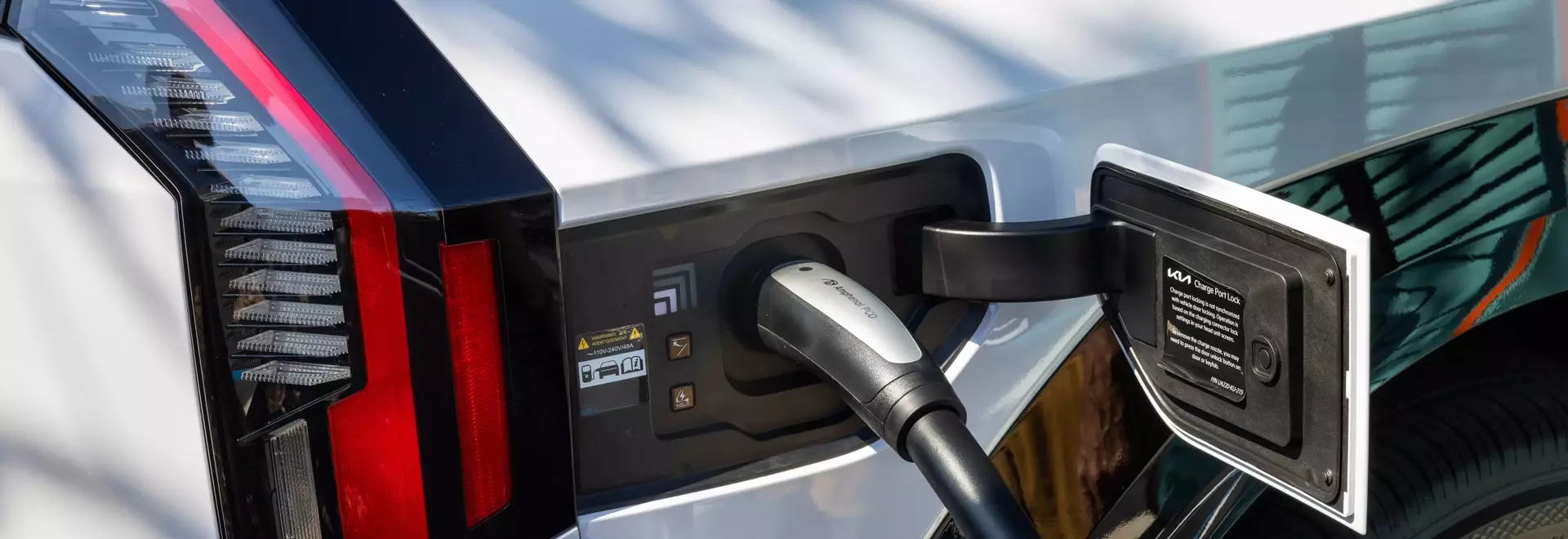
In response to these rising fuel costs, electric vehicles (EVs), including Battery Electric Vehicles (BEVs), Plug-in Hybrid Electric Vehicles (PHEVs), and Hybrid Electric Vehicles (HEVs), are gaining substantial traction. Insights from Edmunds' website traffic reveal a growing interest in electrified vehicles, with their share of car research inquiries increasing from 20.7% to 22.4%. This trend underscores the appeal of these vehicles as a shield against unpredictable fuel expenses. The American Automobile Association (AAA) reports a national average gasoline price of $3.63 per gallon as of March 13, 2026, marking a significant jump from the previous week, with prices in some states like California exceeding $5.40 per gallon.

While the allure of fuel-efficient vehicles is strong, consumers face another hurdle: the rising cost of vehicle financing. Data from Edmunds indicates that the average monthly payment for a new car has increased from $656 in February 2022 to $775 in February 2026, with average interest paid nearly doubling. This financial strain complicates the decision to purchase a new, more efficient vehicle, even when faced with high fuel prices. For many, absorbing the current fuel costs and waiting for market stabilization might seem like a more pragmatic approach than investing in a new car. However, for those nearing the end of a lease or owning an aging vehicle, upgrading to an efficient model, perhaps even a pre-owned EV, presents a compelling solution to achieve long-term savings and environmental benefits.

The current market dynamics highlight a pivotal moment for the automotive industry and consumers alike. The increasing adoption of electric vehicles, driven by both economic necessity and a growing environmental consciousness, points towards a future where sustainable transportation plays a central role. Embracing innovation and making informed choices will empower individuals to navigate economic uncertainties while contributing to a greener planet.

More Articles
Cars
Ford's Extensive Recall History and Current Challenges
This article delves into Ford's significant recall history, highlighting its record-breaking number of recalls in previous years and the current volume of recalls affecting millions of vehicles. It details the company's efforts to enhance safety protocols and lists specific recalls issued in early 2026, emphasizing the types of issues and affected models, from engine block heater malfunctions to critical safety system failures.
By Larry ChenMar 13, 2026
Cars
Infiniti QX65 Poised for V-6 Power Upgrade in Second Year
Infiniti is set to introduce its new two-row QX65 SUV, initially with a four-cylinder engine. However, reports indicate a significant power boost planned for its second model year: a V-6 engine option will be added, hinting at a potential high-performance Red Sport variant in the future. This move signals Infiniti's renewed focus on performance-oriented vehicles, aligning with similar strategies for its QX80 and Q50 models.
By Jeremy ClarksonMar 13, 2026
Cars
Kia's Shift to Turbo Four-Cylinder for 2027 Telluride
Kia is phasing out the naturally aspirated V6 engine in its 2027 Telluride SUV, replacing it with a more efficient 2.5-liter turbocharged four-cylinder, alongside a new hybrid option. This strategic change is driven by stricter emissions regulations, the vehicle's increased weight, and the superior performance capabilities of the new turbo engine. This move aligns Kia with a growing trend in the automotive industry towards smaller, more powerful, and environmentally friendly powertrains.
By Akira MarutaMar 13, 2026
Cars
Toyota Recalls Over 550,000 SUVs for Seatback Latch Issues
Toyota has announced a recall affecting more than 550,000 Highlander and Highlander Hybrid SUVs from model years 2021-2024. The recall addresses a critical safety concern where the seatback mechanism may fail to properly lock, significantly increasing the risk of injury during a collision or sudden stop. Owners are advised to contact their local dealerships for a complimentary repair involving the replacement of seatback return springs.
By Larry ChenMar 13, 2026
Cars
Porsche CEO Praises Electric 718
Porsche's CEO, Michael Leiters, has confirmed that the electric 718 Boxster/Cayman is a "great car" following recent testing. This endorsement comes amidst ongoing development and refutes rumors of the project's cancellation. Porsche plans to release more details this fall, with deliveries expected to commence in 2027. The company is also collaborating with Audi on shared platforms to enhance efficiency and accelerate new model introductions.
By Brock YatesMar 13, 2026