The Rise of Ultra-Exclusive One-Off Supercars
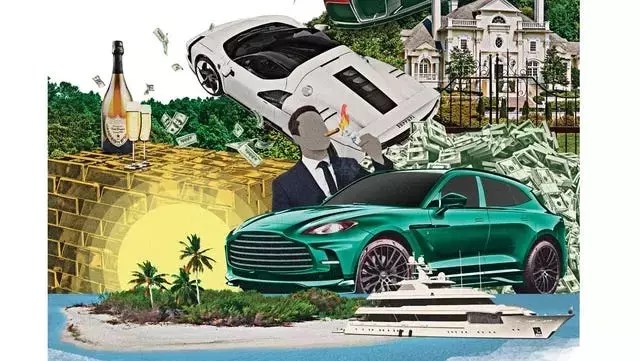
The realm of ultra-luxury automobiles is experiencing a boom in bespoke creations, fueled by an expanding demographic of affluent individuals desiring unparalleled exclusivity. Leading manufacturers, including Bugatti, Ferrari, and Rolls-Royce, are actively catering to this niche by offering unique, custom-commissioned vehicles. These automotive masterpieces, often commanding price tags exceeding tens of millions, serve a dual purpose: they generate substantial profits, with margins estimated to be over 50%, and simultaneously elevate the brand's image by showcasing their ultimate personalization capabilities. The intensive design and engineering processes for these one-off models parallel those of high-volume production cars, emphasizing the dedication required to deliver such distinctive automotive artistry.
However, the creation of these singular vehicles also presents unique challenges, particularly in balancing client desires with practical manufacturing and regulatory constraints. Automakers must carefully manage client expectations, as certain structural or safety-critical components cannot be altered without incurring prohibitive rehomologation costs. Despite the high demand from an eager pool of buyers, companies deliberately limit production to preserve exclusivity and manage the immense resources each custom project demands. This strategic approach ensures that these extraordinary cars remain symbols of ultimate luxury and individuality, reinforcing their desirability among the world's wealthiest.
The Growing Demand for Uniquely Tailored Automotive Masterpieces
The market for exceptionally customized, top-tier automobiles is witnessing a significant expansion, largely propelled by a surge in the number of high-net-worth individuals globally. These discerning clients are not merely seeking luxury; they are in pursuit of an automotive statement that is entirely their own, a vehicle that offers unmatched exclusivity and a personal touch that mass-produced luxury cars cannot provide. This burgeoning demand underscores a shift in the high-end market, where personalization and singularity are becoming paramount. Brands like Bugatti, with its Programme Solitaire, and Ferrari's Special Projects division, are at the forefront of this trend, delivering vehicles that are not just modes of transportation but unique pieces of art, tailored to the exact specifications and aesthetic desires of their owners. The F.K.P. Hommage from Bugatti, for example, is a testament to this trend, reimagining a classic with modern advancements and a price tag that reflects its bespoke nature.
This drive for unique creations is not merely about fulfilling a client's dream; it's also a highly strategic business move for these luxury automakers. The profit margins on these special commissions are exceptionally high, with some experts estimating them to be at least 50 percent. This substantial profitability makes such projects highly attractive, despite the intensive resources they consume. Beyond the direct financial gains, these bespoke vehicles serve as powerful showcases for a brand's engineering prowess and design capabilities, influencing perception across their entire product line. They demonstrate the extreme ends of customization possible, inspiring buyers of more standard, yet still premium, models to explore personalized options. The exclusivity of these vehicles, often produced in quantities as low as one or two per year, creates an aura of desirability and reinforces the notion that true luxury lies in owning something that few, if any, others possess.
Navigating the Intricacies of Bespoke Automotive Design and Production
Creating a one-off hypercar involves a complex and meticulous process that parallels the development of a full-scale production vehicle. From initial design concepts to advanced engineering analyses, every aspect, including thermodynamics and aerodynamics, demands considerable time, expertise, and resources. Bugatti's head of design, Frank Heyl, highlights that the effort invested in crafting a single bespoke model is comparable to that required for designing an entirely new production car. This intense investment underscores why such exclusive projects are often limited to very few units annually, despite high demand. The challenge is not just in meeting the imaginative requests of clients but also in ensuring that these custom vehicles adhere to rigorous safety standards and engineering principles. The process requires a delicate balance between artistic freedom and technical feasibility, with every component needing careful consideration to maintain performance, safety, and structural integrity.
Furthermore, managing client expectations is a critical component of this specialized segment. While clients with vast wealth are accustomed to having their desires met, the automotive world operates within a framework of regulations and engineering constraints. Certain fundamental elements, such as pillar placement, impact protection systems, and advanced driver-assistance sensors, are often non-negotiable due to safety and homologation requirements. Altering these critical components could trigger an extremely costly and time-consuming rehomologation process, making such modifications largely impractical. Therefore, automakers must effectively communicate these limitations while still striving to deliver a highly personalized product. This delicate negotiation ensures that the final creation is not only a unique expression of the owner's taste but also a fully functional, safe, and legally compliant vehicle. As the demand for ultimate exclusivity continues to grow among the world's richest, these brands will continue to refine their approach to crafting these extraordinary, low-volume, high-margin automotive marvels.
