Rethinking the S&P 500: A Call for Index Methodology Updates
The traditional construction of the S&P 500 index, despite its widespread acceptance, faces increasing scrutiny regarding its criteria for company inclusion. This discussion highlights the potential benefits of re-evaluating the index's established framework, especially in light of modern market dynamics. It suggests that while the current methodology is commendable, there's room for enhancement to ensure the index accurately reflects the broader market landscape. Experts propose that adjustments could lead to a more representative and potentially better-performing index, emphasizing the need for ongoing adaptation to serve investors effectively.
A key area of contention revolves around the S&P Dow Jones Indices' requirement for positive GAAP net income. This backward-looking metric may not fully capture the potential of innovative companies that prioritize long-term growth over immediate profitability. For instance, major corporations like SpaceX, despite their significant market presence and future potential, are often excluded from broad market indices due to this criterion. Such exclusions raise questions about the index's ability to mirror the true breadth of the U.S. market, particularly when these companies are traded heavily based on future profit expectations.
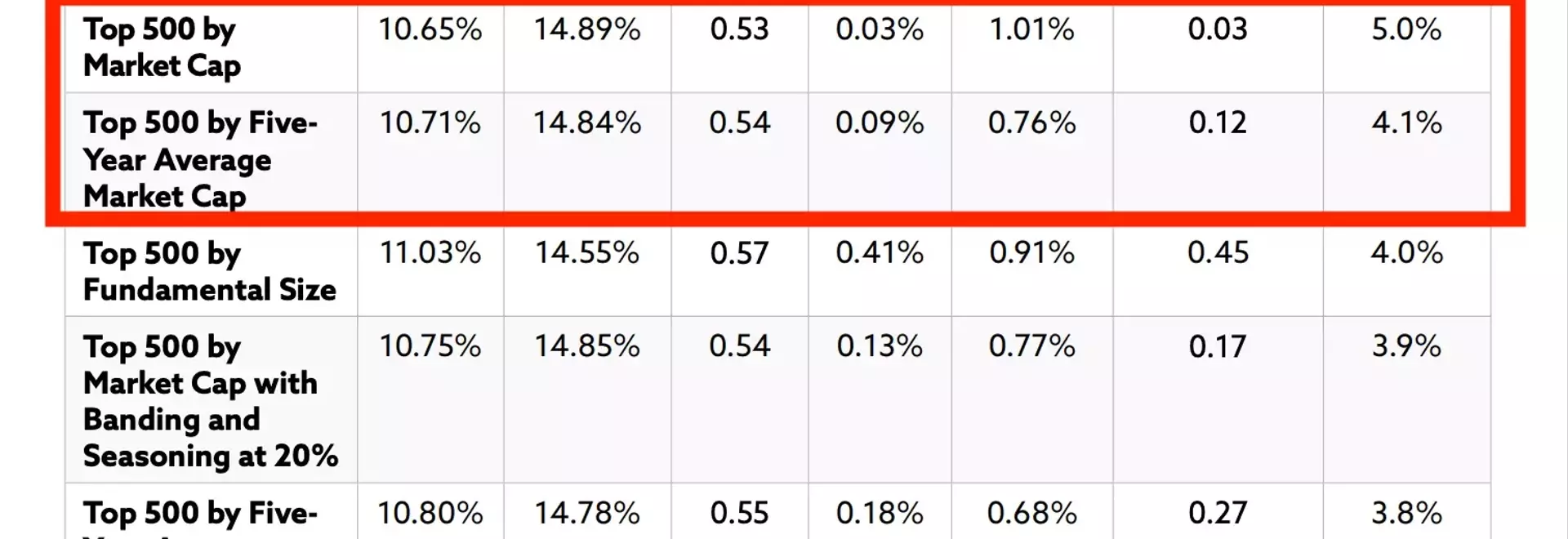
Research, such as that by Rob Arnott and Lillian Wu, points out that the S&P 500 does not consistently include the 500 largest publicly traded U.S. companies by market capitalization. Their analysis reveals a substantial divergence, with many smaller firms taking the place of genuinely larger ones. This discrepancy suggests that the index, often perceived as a passive benchmark, may in practice exhibit characteristics of an active, momentum-driven investment strategy. The authors explore alternative methodologies, including those based on simple or five-year average market capitalization, which circumvent the profitability hurdle and other subjective judgments of S&P Dow Jones. These alternatives have surprisingly shown similar or even slightly superior historical performance compared to the traditional S&P 500, indicating that methodological changes might not drastically alter performance, making them more palatable for investors.
The conversation around refining index methodologies is not new, with various established institutions like the U.S. Constitution and sports leagues regularly updating their rules to stay relevant and effective. Similarly, S&P Dow Jones itself has made numerous adjustments to its index inclusion requirements over time. This continuous evolution underscores the principle that frameworks, no matter how robust, can always be improved. The insights from alternative index studies provide a compelling argument that significant, positive changes can be made without destabilizing market performance, paving the way for a more inclusive and representative S&P 500.
The dialogue surrounding the S&P 500's composition is set to gain momentum, especially as a new wave of mega-cap enterprises emerges, many of which are currently excluded from what are ostensibly broad market indicators. This intensifying debate will inevitably push for a careful reconsideration of inclusion rules to ensure that the index truly reflects the dynamic and evolving landscape of the American economy. The objective is to find optimal ways to refine index construction, thereby addressing investor concerns and fostering a more accurate representation of market trends.
