Retail Resurgence: Bed Bath & Beyond Reimagines Its Brand and Store Presence
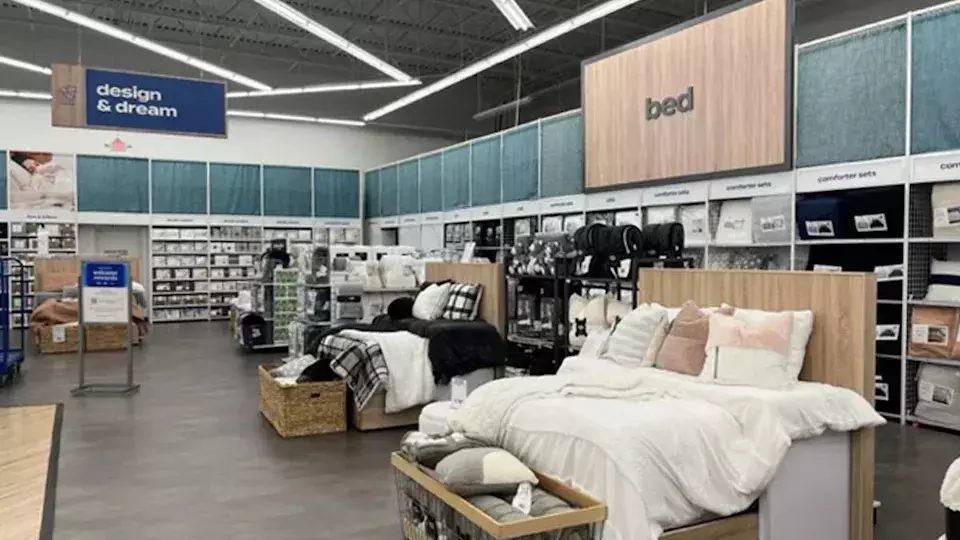
In a significant strategic shift for the retail landscape, Bed Bath & Beyond, having successfully navigated bankruptcy, is now undertaking an extensive rebranding and expansion initiative. This ambitious plan involves converting over 240 Kirkland's Home locations across 35 states into 'Bed Bath & Beyond Seasonal Living' stores, and establishing co-branded outlets with The Container Store. This revitalization effort aims to capitalize on the enduring brand recognition of Bed Bath & Beyond, promising consumers a richer assortment of products and an enhanced shopping journey, reflecting a growing industry trend where established names are given a new lease on life.
The journey of Bed Bath & Beyond's resurgence began after its 2023 bankruptcy filing led to the closure of all its physical stores. The brand was subsequently acquired by Overstock.com for $21.5 million, which then rebranded its online platform under the familiar Bed Bath & Beyond name. This acquisition was driven by the understanding that while the original business model was outdated, the brand itself held considerable equity and consumer affection. Jonathan Johnson, the former CEO, articulated this strategy, highlighting that Bed Bath & Beyond's strong brand identity, coupled with modernization, could lead to a successful revival.
Under the leadership of CEO Marcus Lemonis, known for his role on CNBC's 'The Profit,' the company has been on an acquisition spree, bringing Kirkland's Home, buybuy BABY, and most recently, The Container Store, into its portfolio. The decision to transform Kirkland's Home stores into 'Bed Bath & Beyond Seasonal Living' is a key part of this strategy. An announcement on social media, later removed, indicated that while the name above the door would change, the core offerings of seasonal decor and home accents that customers loved would remain, enhanced by a larger selection, better value, and stronger pricing.
Further bolstering its physical presence, Bed Bath & Beyond also acquired The Container Store in April for $150 million. Marcus Lemonis, in a letter to shareholders, explained that this acquisition was a strategic move to fill critical gaps in both retail and home services. The plan involves co-branding The Container Store's locations, creating 'Bed Bath & Beyond + The Container Store' outlets that will offer a blended merchandise selection. Initially, 22 of The Container Store's 98 locations are slated for this conversion, with more potentially following in a phased approach. This integration is designed to cater to the specific needs of local customers, fostering a more connected home shopping experience and solidifying Bed Bath & Beyond's reputation as a trusted home destination.
The enduring power of a well-known brand name, even after financial difficulties, is a central theme in this retail narrative. Industry experts like Marshal Cohen of NPD Group and Michael Dart of A.T. Kearney emphasize that established brand equity provides instant recognition and can be a significant asset for new ventures or revitalized business models. This strategic use of brand recognition, especially for a name as widely known as Bed Bath & Beyond, with its peak of over 1,500 locations, is proving to be a valuable approach in today's competitive retail environment. Building a brand from scratch is immensely challenging, making the acquisition and leveraging of existing, albeit troubled, brands a highly effective growth strategy.
