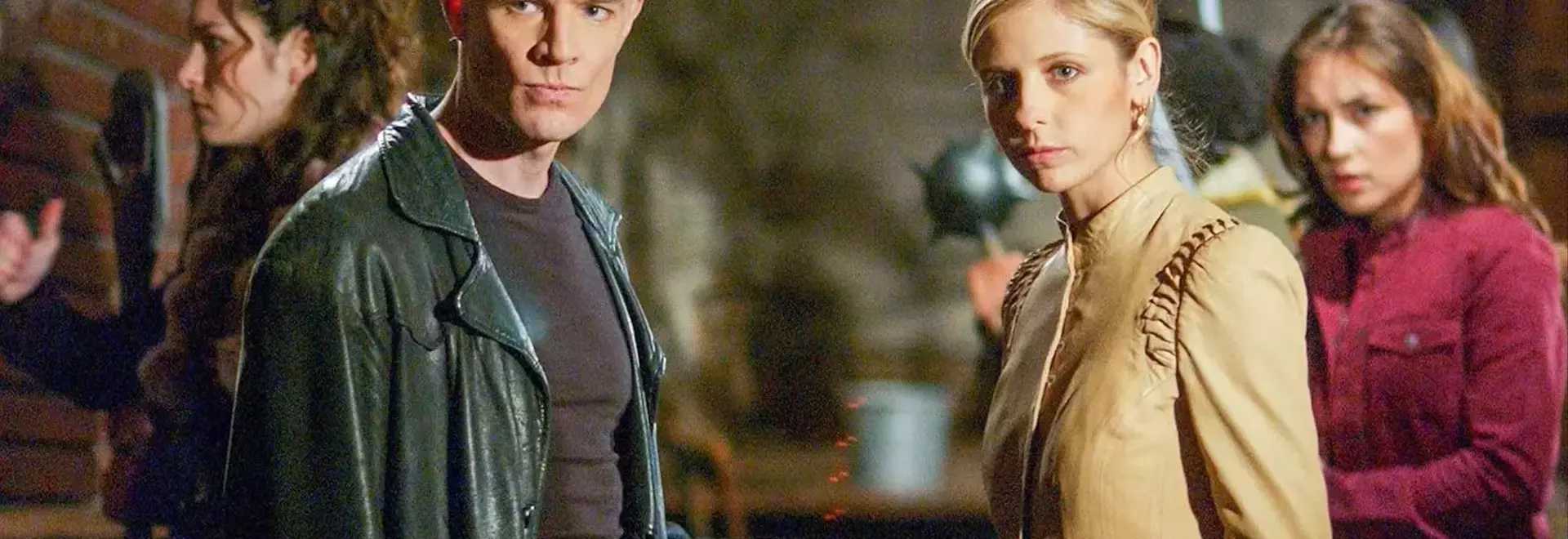
Reconsidering the Legacy of Buffy the Vampire Slayer: A Critical Look at its Later Seasons
“Buffy the Vampire Slayer,” a television series that aired from 1997 to 2003, holds an undeniably significant place in popular culture. Despite not being a ratings juggernaut, its critical acclaim and passionate fanbase solidified its influence, birthing academic discourse, shaping urban fantasy tropes, and even contributing to modern media terminology like “big bad.” The show's central figure, Buffy Summers, remains a compelling icon, often cited in discussions about Western pop culture’s most impactful characters.
The series has always been a magnet for intense discussion. Early on, it became the subject of extensive academic analysis, a trend that persists today with dedicated journals like “Slayage.” More recently, public controversies surrounding creator Joss Whedon in 2020 triggered a wave of critical re-examinations, especially regarding characters like Xander. Whether it’s genuine critical analysis or fervent fan debates over character pairings, “Buffy” rarely elicits a neutral response. Even the most devoted followers often harbor specific criticisms or strong opinions about various aspects of the show's narrative.
My own experience with “Buffy” mirrors this fervent engagement. While certain episodes profoundly impacted me and some of its phrases are still part of my everyday lexicon, I find several story arcs dispensable. A particularly strong opinion I hold, surprisingly contentious among fans, is that the series should have concluded with its fifth season. This stance stems from a belief that the subsequent seasons, particularly Season 6, veered significantly from the show’s established tone and narrative quality. Following a change in networks and showrunners, with Marti Noxon taking the reins while Whedon worked on “Firefly,” Season 6 presented a darker, more explicit narrative. Protagonist Buffy, portrayed by Sarah Michelle Gellar, navigates a period of profound depression, poor decisions, including a problematic relationship with Spike, and financial struggles. While Noxon's creative choices were not universally condemned, and some fans appreciate the season's darker elements and the “Spuffy” dynamic, I personally found it to be a jarring departure. Notably, Season 6's villains, a trio of misogynistic nerds, surprisingly resonate with contemporary social issues, a point highlighted by Joanna Robinson in “Vanity Fair.” Despite this unexpected relevance, the overall somber tone and narrative choices of Season 6, save for the musical episode “Once More With Feeling,” left me largely disengaged. Whedon’s return for Season 7, followed by Gellar’s decision to leave, further complicated the series' trajectory, leading to a rushed conclusion that struggled to accommodate its ambitious plans.
Given these observations, my recommendation for newcomers to “Buffy the Vampire Slayer” is to approach the series selectively. While Season 1 has its uneven moments, its pilot and finale are worth watching, alongside the memorable “Nightmares” episode. Seasons 2 and 3 are essential viewing, and Season 4 features a standout episode, “Hush.” If, after consuming these, you still crave more, then Season 5 offers a satisfying continuation. However, I advise against continuing to Season 6 and beyond. In my view, concluding your “Buffy” journey with Season 5 preserves its legacy as one of television’s most influential cult phenomena, allowing you to imagine a more cohesive and impactful ending for the beloved slayer and her world.
