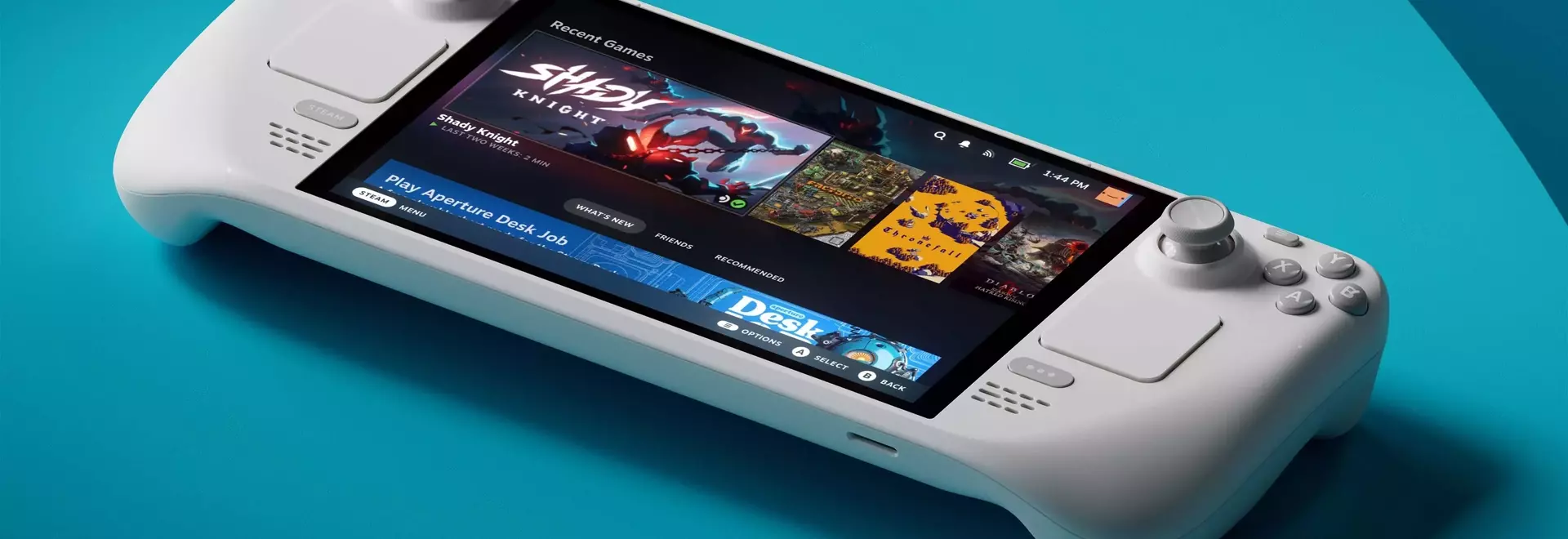
PSP-Sized Steam Deck 2: A Compact Vision for Handheld Gaming
Games

PSP-Sized Steam Deck 2: A Compact Vision for Handheld Gaming

authorBy Kim Swift
DateSep 28, 2026
Read Time2 min

In the evolving landscape of portable gaming, the prospect of a second-generation Steam Deck is a topic of considerable speculation, particularly concerning its design philosophy. While high-end, powerful handheld PCs have emerged since the original Steam Deck's debut in 2022, many exhibit significant drawbacks, such as prohibitive costs, cumbersome sizes, and suboptimal battery performance. This has led to a yearning for a more compact and efficient device, reminiscent of classic handhelds, that caters specifically to indie titles and retro gaming experiences rather than attempting to replicate the power of a full-fledged desktop.

The current market for handheld PCs is saturated with devices often exceeding the thousand-dollar mark. These machines frequently grapple with issues like excessive bulk, a tendency for loud fan operation, and disappointingly short battery durations when running demanding applications. Furthermore, many of these competitors are built around the Windows operating system, which, while standard on desktops, can present a less-than-ideal user experience on a portable gaming device.

The vision for an ideal Steam Deck 2 deviates from this trend. Instead of pushing the boundaries of processing power, the focus shifts towards maintaining a similar performance level to the original while drastically improving battery longevity. A key feature of this idealized device would be its 'pocketability' – a design that makes it genuinely portable without compromising ergonomic comfort. This ethos harks back to the golden age of handhelds, like the Sony PSP or the Game Boy Advance, which were celebrated for their compact form factors.

There's a noticeable gap in the modern market for truly diminutive gaming devices, a space now largely occupied by smartphones. However, these touch-screen reliant devices, often riddled with privacy concerns and lacking physical controls, fail to replicate the tactile satisfaction of dedicated gaming handhelds. A Steam Deck 2 that embraces a PSP-like size would offer a refreshing alternative, blending the versatility of the Steam ecosystem with the cherished portability and comfort of traditional handheld consoles. This would create a niche for players who prioritize ease of transport and extended playtime for less graphically intensive, yet equally engaging, gaming content.

Ultimately, the discussion around a future Steam Deck iteration underscores a desire for innovation that prioritizes user experience and practical utility. By focusing on a more compact design, enhanced battery life, and an optimized interface for its intended library of games, a Steam Deck 2 could carve out a unique and highly appealing position in the competitive portable gaming sector, captivating a new generation of players while also appealing to the nostalgia of veteran handheld enthusiasts.

More Articles
Games
Exploring the Cultural Heartbeat of DreamWorks' 'Forgotten Island'
DreamWorks' animated film, 'Forgotten Island,' intricately weaves Filipino culture into its narrative through the recurring Tagalog phrase 'Tayo na!' This article delves into how writer-directors Joel Crawford and Januel P. Mercado allow viewers to infer its diverse meanings from context. Voice actors Liza Soberano (Raissa) and H.E.R. (Jo) share insights into how their Filipino heritage enriched their interpretation of the phrase, transforming it into a powerful symbol of commitment and shared adventure between the two protagonists, highlighting the film's authentic cultural representation.
By Amy HennigSep 27, 2026
Games
WoW: Forever's Soundscape: A New Auditory Journey for an MMO Veteran
A dedicated Final Fantasy XIV player embarks on a new adventure in the World of Warcraft: Forever beta, finding joy in its classic feel with modern twists. However, the game's sparse use of music, in stark contrast to FFXIV's richly detailed score, presents an unexpected challenge. This article explores the author's adaptation to WoW's ambient sound design and reflects on the powerful role music plays in shaping the MMO experience.
By Hideo KojimaSep 27, 2026
Games
Debate Surrounds "Physint" Game Budget, With Initial Claims of $400 Million Refuted
Recent reports suggesting Hideo Kojima's upcoming game, "Physint," carries a $400 million budget have sparked considerable debate. While an initial claim from Christopher Dring cited this figure, subsequent investigations by Bloomberg's Jason Schreier and Windows Central indicate a significantly lower cost. Dring has since retracted his definitive statement, clarifying that the sum was an unconfirmed estimate gathered from industry talks. This discussion unfolds amidst Xbox's substantial investment in the title, coinciding with internal restructuring and layoffs, spotlighting the escalating expenditures within AAA game development.
By Roberta WilliamsSep 27, 2026
Games
Gaming Industry in Flux: Xbox Restructuring and the Resilient Spirit of Game Development
This article explores the current state of the video game industry, highlighting the excitement surrounding new game releases like "Ace Combat 8" and "Fire Emblem: Fortune's Weave," contrasted with recent unsettling news from Xbox. It delves into Microsoft's significant layoffs, the dramatic restructuring of Halo Studios, and the broader implications for Xbox's brand identity and future in the gaming landscape, while still emphasizing the enduring power and innovation within game development.
By Jane McGonigalSep 27, 2026
Games
The Emotional Rollercoaster of Mario Kart Tour's End
A dedicated player reflects on seven years of playing Mario Kart Tour daily, experiencing a mix of relief, anger, and disappointment as the game's service draws to a close. Despite the fun and community engagement, the lack of an offline mode and lost progress evoke a sense of betrayal, highlighting the ephemeral nature of live-service games.
By Roberta WilliamsSep 27, 2026