Protecting Tesla Investments Against Potential Downturns
Tesla's stock has been moving sideways for almost a year, and its upcoming earnings report holds the potential to significantly alter this trend. In this context, investors are exploring strategies to shield their holdings from a possible price decline. Options contracts, specifically put options, emerge as a crucial tool for this purpose.
Details on Hedging Tesla Stock Ahead of Earnings
As Tesla's stock (TSLA) navigates a period of consolidation, having traded horizontally for close to twelve months, the market eagerly anticipates its forthcoming earnings announcement scheduled for Wednesday. This event is widely seen as a potential catalyst that could determine the stock's next major move. For current shareholders, implementing protective measures against a downward trend is a key consideration, despite the inherent costs associated with such financial insurance.
A primary method for this protection involves utilizing put options. A put option grants its holder the privilege, though not the obligation, to sell a specific stock at a predetermined price, known as the strike price, before a set expiration date. Typically, one standard stock-option contract covers 100 shares of the underlying stock.
For instance, an investor holding 100 shares of Tesla could acquire a July 24 put option with a strike price of $375. With Tesla's stock recently trading around $378, this put option would enable the shareholder to divest their shares at $375, even in the event of a substantial post-earnings price depreciation. Without such a hedge, a $1 drop in Tesla's value would result in approximately a $100 loss for the investor, given their 100-share position.
While the protection offered by a put option is straightforward, its cost is a significant factor. The mentioned put contract recently commanded a premium of about $10.25 per share, translating to a total upfront payment of roughly $1,025 for a standard contract. This premium represents approximately 2.7% of a 100-share Tesla investment, valued at around $37,800, for protection extending only until Friday.
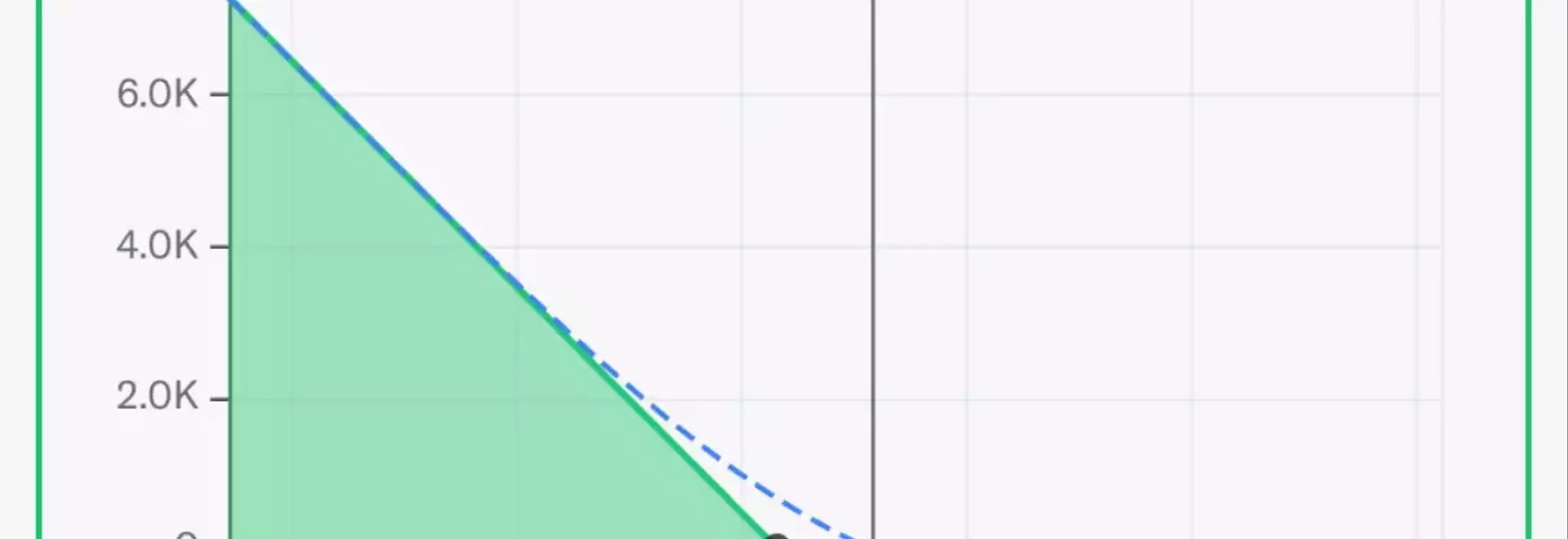
After accounting for this premium, the effective floor price for the position becomes $364.75 per share, which is the $375 strike price minus the $10.25 cost of the put. An illustration, such as an AlphaSpace chart, vividly demonstrates how the put's value appreciates as Tesla's stock declines, thereby mitigating losses on the underlying shares.
If Tesla experiences a sharp fall, the put can considerably offset the damage. However, if the stock only dips slightly, the cost of the premium might outweigh the loss averted. Conversely, if Tesla's price escalates or remains stable, a significant portion of the option's value could diminish by its expiration. This scenario highlights the fundamental trade-off inherent in insurance: it proves most valuable when the feared outcome materializes, but often remains unused and costly when it does not.
The elevated cost of these options reflects Tesla's high implied volatility, which quantifies the expected price fluctuations by traders. This metric indicates the level of market turbulence anticipated, rather than predicting the direction of the stock's movement. Ahead of the earnings release, Tesla's implied volatility for this specific expiration period was approximately 82%, rendering short-term insurance particularly expensive. The $375 put exemplifies how an option can safeguard an existing stock position, with adjustments to the strike price or expiration date altering both the cost and the extent of protection.
Reflections on Investment Protection and Market Dynamics
This analysis underscores a critical lesson for investors: while hedging strategies like purchasing put options can offer valuable protection against market downturns, they come with a price. The expense of this insurance, particularly in volatile periods like an earnings release, can be substantial and must be carefully weighed against the potential benefits. It highlights the dynamic nature of market expectations, where implied volatility can significantly impact the cost of safeguarding investments. Ultimately, the decision to hedge, and how to do so, requires a thorough understanding of market mechanics, risk tolerance, and the potential for both upside and downside movements. It serves as a reminder that financial security often entails a strategic trade-off between cost and peace of mind.
