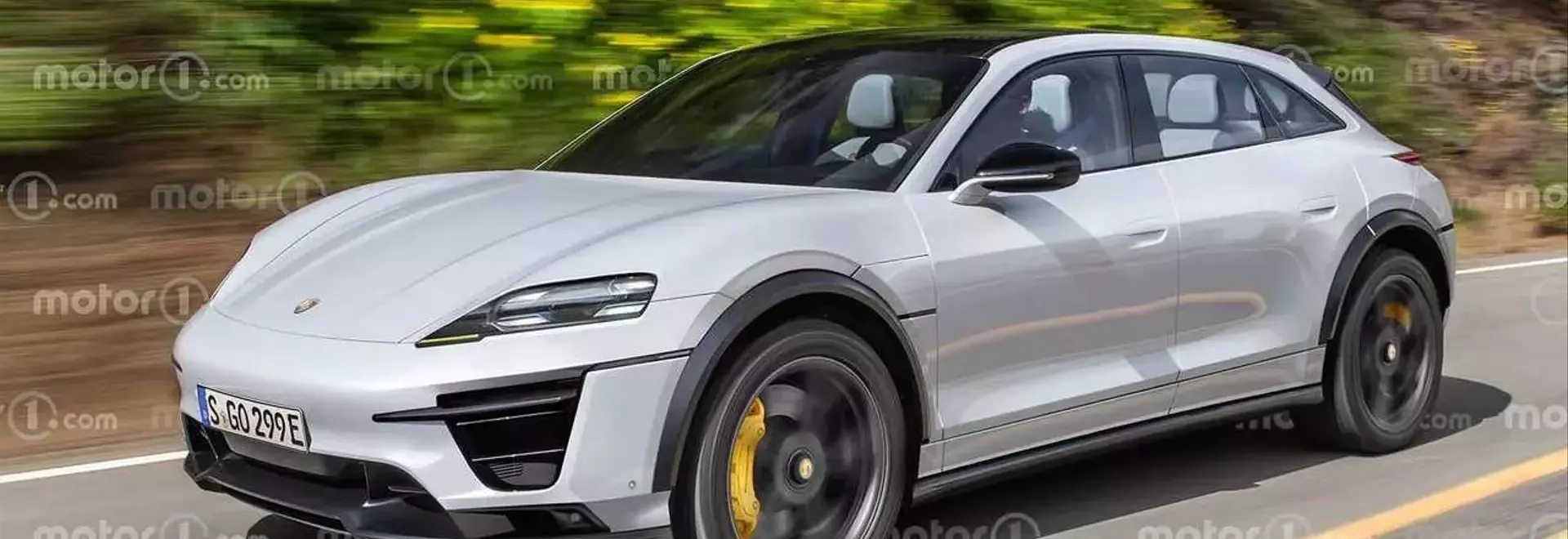
Porsche's New Flagship SUV To Feature V8 Engine, Not Be Fully Electric
Cars

Porsche's New Flagship SUV To Feature V8 Engine, Not Be Fully Electric

authorBy Chris Harris
DateFeb 26, 2026
Read Time3 min
Porsche's new flagship SUV, the K1, is taking a surprising turn away from an all-electric future. Originally planned as an electric-only vehicle, the K1 will now offer V6 and V8 engine options, reflecting a shift in market demand. This strategic pivot allows for greater powertrain flexibility and seating configurations, including a seven-seat layout.

Porsche's Flagship K1: Powering Forward with V8, Not Just Electric

Porsche Reevaluates Electrification Strategy for K1 SUV Amidst Shifting Market Dynamics

Porsche, once fully committed to an aggressive electrification plan across its product range, is now recalibrating its approach. The automaker's initial vision for an entirely electric lineup, encompassing various segments from sports cars to SUVs, is undergoing revision. This change in direction is largely influenced by a noticeable deceleration in electric vehicle (EV) demand, particularly within the United States market, prompting Porsche to adapt its future product offerings.

The K1 SUV's Powertrain Evolution: From Electric-Only to Internal Combustion and Hybrid Options

The highly anticipated K1 SUV was initially conceived to be exclusively electric. However, recent reports suggest a significant change in plans. Porsche is now developing the K1 to accommodate both V6 and V8 engine options. This strategic modification moves the K1 away from the initially proposed Scalable Systems Platform (SSP) and onto Volkswagen Group's Premium Platform Combustion (PPC) architecture. This shift grants Porsche the flexibility to offer a diverse range of powertrains, including traditional gasoline engines and plug-in hybrid systems.

Enhanced Versatility: New Platform Allows for Diverse Seating and Powertrain Choices

By adopting the PPC platform, the K1 SUV gains considerable versatility. This architecture supports both five- and seven-seat configurations, catering to a wider spectrum of consumer needs. Furthermore, it enables the integration of various propulsion systems, including conventional internal combustion engines and advanced plug-in hybrid options, offering consumers more choices beyond pure electric.

Anticipated Engine Performance: Mirroring the Cayenne Lineup's Robust Output

The K1's engine lineup is projected to draw inspiration from Porsche's current offerings, specifically the Cayenne. This includes the brand's established 3.0-liter V6 and 4.0-liter V8 powerplants. Performance expectations suggest that the K1 will deliver a similar range of horsepower, spanning approximately 350 to 730 horsepower, depending on the chosen trim level and engine configuration.

Responding to Market Realities: Porsche CEO Oliver Blume's Vision for the K1

This strategic shift aligns with previous statements from Porsche CEO Oliver Blume. In September, Blume emphasized the importance of responding to "new market realities and changing customer demands." While the focus has expanded to include combustion engines, an all-electric variant for the K1 has not been entirely ruled out, indicating Porsche's desire to maintain future flexibility within its product strategy.

Production Timeline and Location: K1 to Follow Audi Q9 from Bratislava Plant

The K1 SUV is slated for release approximately one year after Audi unveils its Q9 model, with the latter expected in late 2026. Production for both vehicles will take place at the Volkswagen Group's Bratislava plant in Slovakia, a facility that will also be responsible for manufacturing the upcoming electric version of the Cayenne.

More Articles
Cars
2027 Chrysler Pacifica: A Comprehensive Look at Its Significant Overhaul
Chrysler has unveiled the extensively revamped 2027 Pacifica minivan, a crucial model for the brand's revitalization. With minivan sales witnessing a 20% surge in 2025, and the Pacifica leading the market, this bold redesign aims to maintain its dominance. The updated Pacifica features a futuristic front fascia, reminiscent of key rivals, and the discontinuation of its plug-in hybrid variant raises questions about future powertrain options. This refresh is vital as Chrysler anticipates introducing three new models, including a much-needed crossover.
By Larry ChenFeb 26, 2026
Cars
Audi RS5's Weight Gain: A Deeper Look
Audi defends the increased weight of the new RS5, stating that advanced hardware offsets the battery's impact. The RS5 Avant weighs 5,225 lbs (2,370 kg), while the sedan is slightly lighter at 5,192 lbs (2,355 kg). This article explores the engineering solutions implemented to maintain agility despite the added mass from the plug-in hybrid system, comparing it to historical models and future implications.
By Edward LohFeb 26, 2026
Cars
Chery's KP31: A Diesel Plug-In Hybrid Pickup Challenging US Market Dominators
Chery's KP31, a new diesel plug-in hybrid pickup concept, is poised to redefine the midsize truck segment, traditionally dominated by models like the Ford Ranger and Toyota Tacoma. Unveiled in Sydney, the KP31 offers a unique combination of diesel power and hybrid efficiency, boasting an electric range of up to 105 miles, a one-ton payload capacity, and a 7,700-pound towing capability. While initially slated for an Australian release in late 2026, Chery is eyeing international expansion, with North America as a potential future market, reflecting growing interest in Chinese automotive innovations globally.
By Henry FordFeb 26, 2026
Cars
Luxury Electric Sedan Cadillac Celestiq Spotted for Nearly Half a Million
A Cadillac Celestiq, an ultra-luxury electric sedan, is being offered for sale at almost $500,000, significantly higher than its initial MSRP. With limited annual production and a bespoke commissioning process, some buyers appear to be leveraging the scarcity to secure a substantial profit by reselling nearly new vehicles. This practice highlights the intense demand for immediate ownership of this exclusive EV.
By Chris HarrisFeb 26, 2026
Cars
The Oshkosh Striker 3000: A Masterpiece in Aircraft Rescue Fire Fighting
The Oshkosh Striker 3000 is an advanced Aircraft Rescue Fire Fighting (ARFF) vehicle designed to combat aircraft fires efficiently and safely. Equipped with a powerful 650-hp Caterpillar engine, all-wheel drive, and specialized nozzles, it can navigate challenging terrains and deliver various extinguishing agents. This article explores its unique capabilities and the rigorous training involved for firefighters at the Lake Superior College Emergency Response Training Center.
By Simona De SilvestroFeb 25, 2026