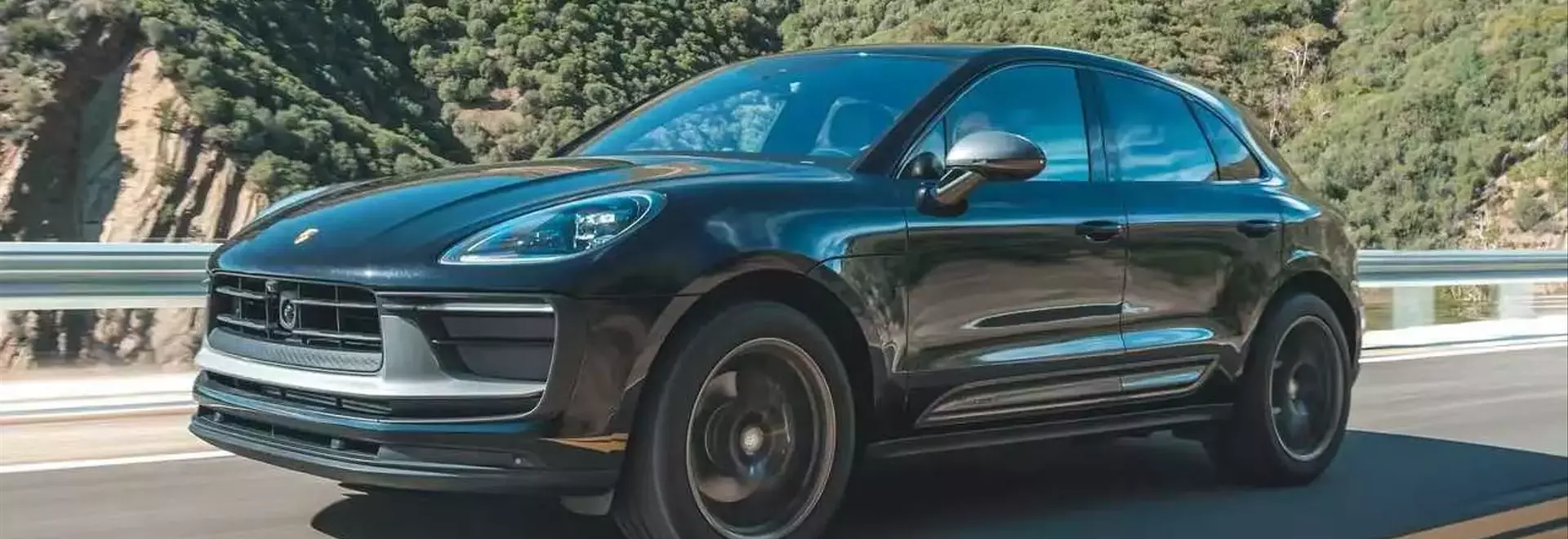
Porsche Increases Inventory for Gas-Powered Macan Ahead of Production Halt
Porsche is taking proactive measures to manage the transition from its internal combustion engine (ICE) Macan to its electric counterpart. The German automaker is significantly increasing its production of the gasoline-powered Macan ahead of its scheduled discontinuation this summer. This strategic move is designed to build a substantial inventory, particularly for markets like the United States, where the ICE Macan continues to experience robust demand. The company anticipates that this stockpile will sustain sales well into 2027, bridging the gap until a direct successor for the gas model arrives. This approach also helps to counterbalance the slower adoption rate of the electric Macan, influenced in part by factors such as the cessation of federal EV tax credits.
Despite the impending shift towards electrification, Porsche recognizes the enduring appeal of its traditional gasoline models. The company's strategy involves not only accumulating a large number of the current ICE Macan units but also carefully planning for the introduction of a new compact crossover that will eventually replace it. This future model, developed in collaboration with Audi, is expected to arrive around 2028 and will be designed to uphold Porsche's distinct performance and technological standards. By focusing on maintaining a strong presence of the beloved gas Macan while meticulously preparing for its next-generation combustion-powered successor, Porsche aims to satisfy its diverse customer base and strengthen its market position amidst evolving industry trends and regulatory changes.
Porsche's Strategic Stockpiling of Gas Macan Units
Porsche is implementing a deliberate strategy to stockpile its internal combustion engine (ICE) Macan models as production is set to conclude this summer. This decision comes as the original Macan, despite its age, continues to exhibit strong market demand, especially in the United States. The company aims to produce as many units as feasible, constrained only by manufacturing capacity and supplier availability, ensuring that a robust supply of these popular SUVs will be available for customers. This move is crucial for Porsche as it navigates the transition period towards electrification, particularly given that the ICE Macan currently outsells its electric variant. By extending the availability of the gasoline model, Porsche seeks to capitalize on its proven popularity and generate continued revenue, mitigating any potential slowdowns from the newer electric model's market entry challenges, such as changes in tax incentives.
The proactive inventory build-up for the gas-powered Macan is a testament to Porsche's commitment to meeting consumer preferences while aligning with future automotive trends. The company's financial and IT board member, Jochen Breckner, revealed that this stockpiling effort is expected to provide inventory that will last in some global markets until 2027. This extended availability is particularly important for the American market, where the Macan has consistently shown strong performance over its 12-year lifespan. By ensuring a steady supply of the ICE model, Porsche can better manage the market's response to the new electric Macan, which has faced headwinds from the discontinuation of federal EV tax credits. This strategic foresight allows Porsche to bridge the demand gap, sustaining sales momentum and customer satisfaction during a pivotal phase of its product portfolio evolution.
Future Directions: The Next-Generation Porsche Crossover
As the gasoline-powered Macan approaches its final production run, Porsche is also looking ahead to its future product line, which includes a new compact crossover positioned below the Cayenne. This upcoming model, developed through a substantial collaboration with Audi, is slated for release in 2028. Porsche is committed to ensuring that this new vehicle, despite its mechanical ties to the Audi Q5, will embody the distinct characteristics and performance attributes that define a "real Porsche." This involves a dedicated development process to infuse the model with unique content, product substance, and technology that differentiates it from its Audi counterpart. The careful and unhurried approach to development underscores Porsche's dedication to quality and brand integrity, rather than simply rebadging an existing platform.
The introduction of a new, more affordable compact crossover with gasoline engines is a strategic imperative for Porsche, especially as the company faces declining sales in key markets like China. This new model, along with a larger three-row SUV also in the pipeline, is designed to help Porsche rebound and strengthen its global sales performance in the coming years. The company's executives emphasize that creating a vehicle with the authentic "Porsche touch" requires significant time and investment in engineering and design. This ensures that the new crossover will not only be competitive in its segment but also resonate with the brand's loyal customer base, offering the driving dynamics and luxury experience expected from a Porsche. This long-term product strategy reflects Porsche's adaptive approach to market demands and its commitment to innovation within both traditional and electrified vehicle segments.
