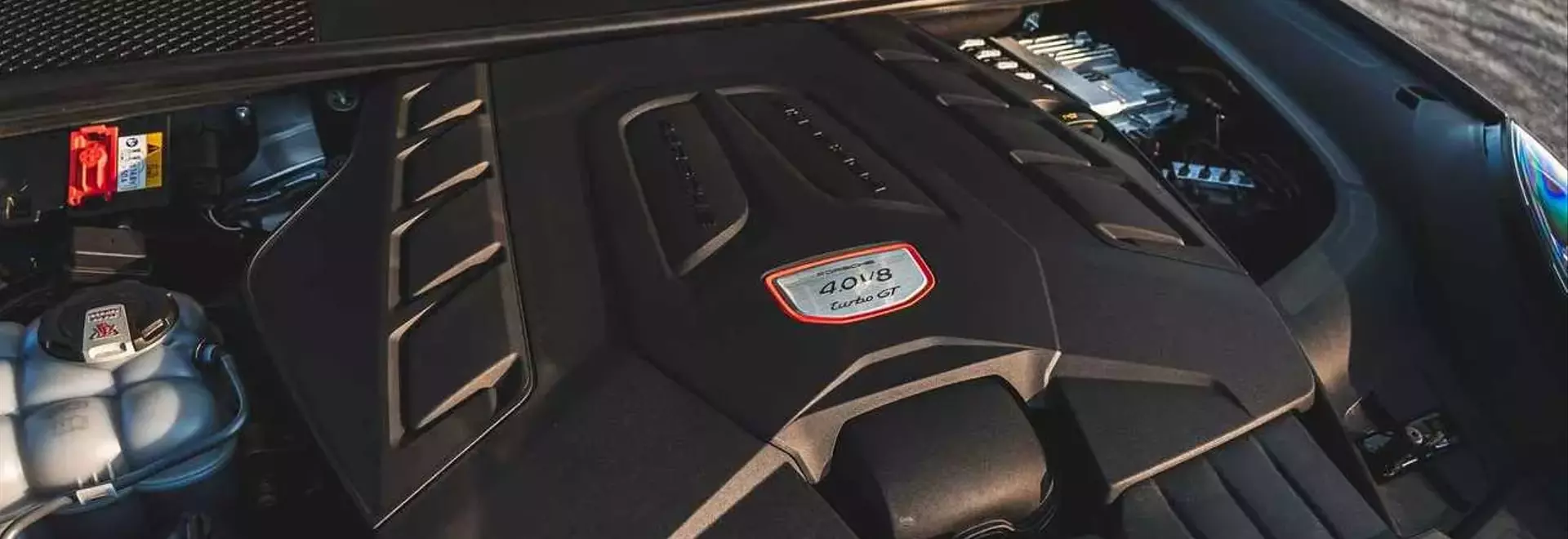
Porsche Continues Its Commitment to Internal Combustion Engines
Porsche's Enduring Roar: A Commitment to Internal Combustion
Revising the Electrification Timeline
Initially, Porsche had set an ambitious goal for electric vehicles to constitute over 80 percent of its total sales by the end of the current decade. However, this target has been significantly revised. The luxury automaker acknowledges that the adoption rate of electric cars has not met earlier projections, leading to a strategic pivot. Last year, vehicles without internal combustion engines accounted for just over 22 percent of Porsche's total shipments, underscoring the gap between initial forecasts and market realities.
The Enduring Appeal of Traditional Power
Despite the introduction of models like the electric Cayenne, Porsche is now firmly committing to a long-term future for its combustion engine lineup. This strategic shift includes the confirmation of new gasoline-powered models, such as a successor to the first-generation Macan, and a new Cayenne that will offer both conventional gasoline and hybrid powertrains. Enthusiasts will also be pleased to learn that the 718 Cayman and Boxster models will once again feature internal combustion engines. Furthermore, there have never been plans to electrify the iconic 911, which Porsche has even suggested could be its final gasoline-powered vehicle.
Maintaining the Internal Combustion Engine Legacy
Looking ahead, Porsche has no intention of abandoning its internal combustion engine offerings. Ralf Keller, Cayenne product boss, confirmed that the Stuttgart-based manufacturer plans to continue producing gasoline and hybrid models well into the 2030s. The Cayenne is anticipated to spearhead this new wave of ICE products, with a replacement for the current generation expected in the coming years. It's important to note that the all-electric 2027 Cayenne will remain exclusively electric, without a gasoline counterpart.
Strengthening Alliances and Platform Development
Porsche is exploring the utilization of the Premium Platform Combustion (PPC) architecture, co-developed with Audi, for upcoming models. This platform is expected to underpin the successor to the original Macan, which will share components with the Audi Q5. The previously mentioned larger three-row SUV is also slated to use this architecture, indicating shared engineering with Audi's forthcoming Q9. While the Boxster and Cayman sports cars are likely to remain entirely Porsche-designed, the electric 718 models will leverage Audi's platforms, including the one used for the Concept C targa, set to launch next year.
Future Collaborations and Regulatory Challenges
Porsche's CEO, Michael Leiters, has emphasized the increasing importance of collaboration with Audi, aiming to maximize shared potential. Both brands will need to meticulously align their product strategies for combustion engine vehicles with evolving regional legislation. Despite the European Union stepping back from a complete sales ban on new internal combustion engine cars by 2035, the mandate to reduce CO₂ emissions by 90 percent compared to 2021 levels presents a significant challenge for these luxury marques within the Volkswagen Group.
Porsche's Strategic Adaptations and Market Outlook
Porsche's decision to pivot its strategy and maintain a strong presence in the combustion engine and hybrid segments appears to be a well-calculated move in response to the slower-than-anticipated shift to electric vehicles. This flexibility, coupled with enhanced collaboration with Audi, allows Porsche to develop new models more efficiently and cost-effectively. With recent sales figures indicating a decline, the introduction of fresh, diverse models is crucial for revitalizing growth. The return of gasoline-powered sports cars, in particular, aims to bolster brand image and cater to enthusiast demand, especially after the discontinuation of some ICE 718 models in Europe due to new cybersecurity regulations.
