Pimax Dream Air Review: A Stellar Visual Experience with Tracking Shortcomings
The Pimax Dream Air stands out as a groundbreaking virtual reality headset, delivering an exceptional visual experience through its advanced Micro-OLED displays and innovative optical design. Its remarkably lightweight and compact form factor sets a new standard for user comfort in extended VR sessions. However, the headset is not without its flaws; its controller tracking capabilities lag behind competitors, presenting a significant challenge for dynamic, high-dexterity VR games. This high-fidelity device demands a powerful PC setup, making it a premium investment that delivers stunning immersion, particularly suited for simulation genres where precise controller movements are less critical.
Details on the Pimax Dream Air
The Pimax Dream Air is an ambitious entry into the high-end virtual reality market, boasting features designed to push the boundaries of immersion. At the core of its visual prowess are two 1.35-inch Sony Micro-OLED panels, delivering an astonishing resolution of 3840 x 3552 per eye. These are paired with a concave pancake lens system, branded 'ConcaveView,' which contributes to both its compact size and sharp imagery. The headset supports refresh rates of 72 Hz or 90 Hz, catering to different performance needs, though it unequivocally demands a top-tier graphics card, such as an RTX 5080, to fully exploit its native resolution without compromise.
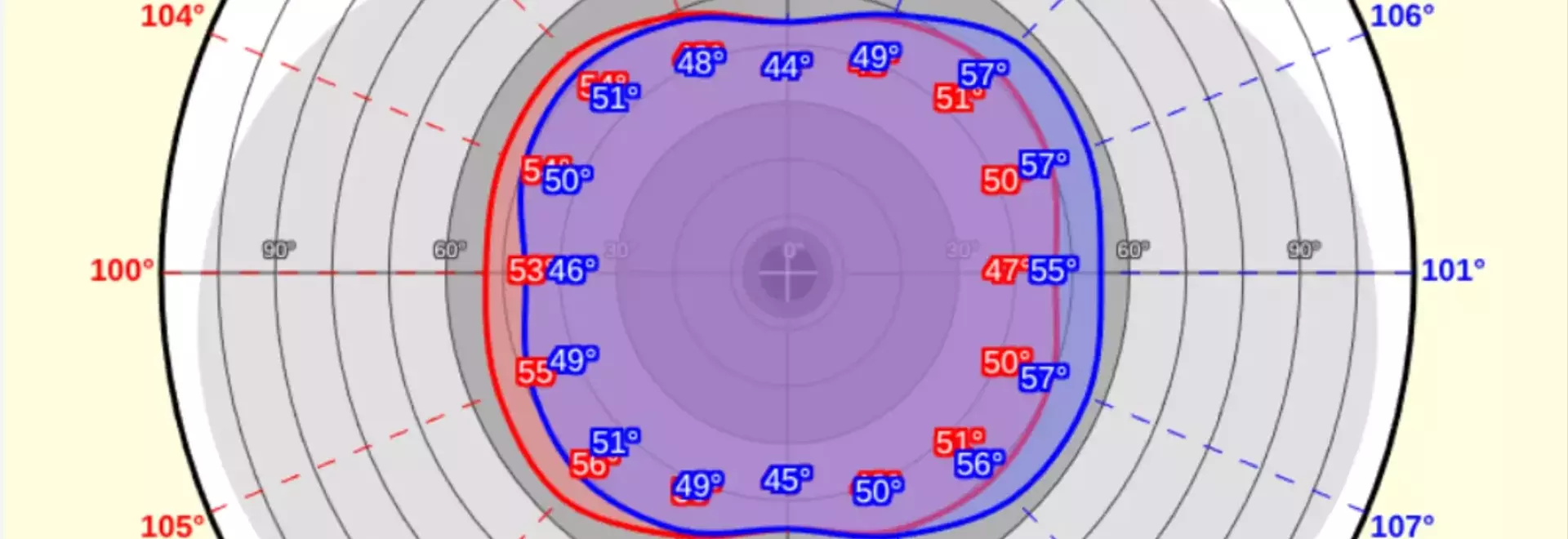
One of the Dream Air's most commendable attributes is its superior binocular overlap, measured at an impressive 86%. This significantly enhances visual comfort and realism, reducing eye strain even during prolonged use, a notable advantage over rivals like the Quest 3, which offers a lower 69% overlap. This high overlap, combined with a pixel density of 3,389 PPI, virtually eliminates the screen-door effect and visible aliasing, providing a crystal-clear viewing experience.
Ergonomically, the Dream Air is a triumph. Weighing in at approximately 280 grams (including the tethered cable), it is exceptionally light, providing comfort that surpasses many heavier headsets on the market. Its dual-adjustable headband secures the device without the need for an overhead strap, allowing for hours of use without discomfort. While it does not accommodate glasses, users can opt for prescription lens inserts. The integrated speakers offer decent audio quality, and the thoughtfully designed dual-cable system prevents tugging, a common issue with cabled VR devices.
However, the headset's Achilles' heel is its tracking system. The review unit utilizes Pimax's proprietary SLAM inside-out tracking, supported by four cameras. Despite its high-tech description, the performance of the included controllers and the SLAM tracking is often inconsistent. Actions requiring precise and rapid movements, such as those in fast-paced shooters or sports games, suffer from jitter and unresponsiveness. For instance, tasks like climbing in 'Blade and Sorcery' or serving in 'Eleven Table Tennis' become frustrating endeavors due to the tracking's limitations. Moreover, the need to frequently reset the room-scale boundaries after repositioning the headset adds a layer of inconvenience to the user experience.
Pimax Play, the accompanying software, offers a comprehensive suite of settings for managing IPD, refresh rates, and performance optimizations. Features like Dynamic Foveated Rendering (DFR), Quad Views support, and Center Rendering aim to enhance performance on less powerful systems. While these tools provide flexibility, Pimax could improve the user interface to make these complex settings more accessible and understandable, especially for newcomers to high-end VR.
Priced at $2,299, the Dream Air is a premium product. Its visual fidelity and comfort justify a portion of this cost, particularly for simulation enthusiasts. However, the inconsistent tracking significantly detracts from its overall value proposition, especially when compared to more affordable headsets like the Quest 3, which offers more reliable tracking for active gameplay. The Pimax Dream Air pushes visual boundaries but needs refinement in its interaction systems to fully match its ambitious price point and technological promise.
The Pimax Dream Air represents a significant leap forward in VR visual technology and comfort. Its stunning Micro-OLED displays set a new benchmark for immersion, offering deep blacks and vibrant colors that make virtual worlds feel more real than ever before. For enthusiasts of flight or racing simulators, where the visual experience reigns supreme and intricate controller interactions are minimal, this headset is an absolute game-changer. The lightweight design and superior binocular overlap mean longer, more comfortable sessions without the usual fatigue or eye strain. This indicates a promising future for VR hardware, emphasizing that groundbreaking visual fidelity can be achieved in a compact, wearable form factor.
However, the glaring disparity between its visual excellence and its tracking performance highlights a critical area for improvement within the high-end VR market. The frustration caused by unreliable controller tracking in dynamic games, coupled with the steep price tag, suggests that Pimax still has work to do in delivering a fully cohesive premium experience. It also underscores a broader challenge for VR developers: integrating advanced display technologies with equally robust and intuitive interaction systems. As a consumer, this review emphasizes the importance of a balanced approach in VR headset development—where no single feature, however impressive, should overshadow fundamental aspects like user interaction and tracking accuracy. The Dream Air serves as a powerful reminder that while visual immersion is paramount, a seamless and responsive control scheme is equally vital for a truly exceptional virtual reality adventure.
