Pharma Industry Collaborates to Address Workforce Challenges
The pharmaceutical sector in the United States is actively addressing the growing demand for skilled labor not through internal competition, but through a unified, collaborative strategy. This approach involves trade associations, industry leaders, and educational bodies working in concert to cultivate a new generation of professionals ready to meet the evolving needs of drug manufacturing and research.
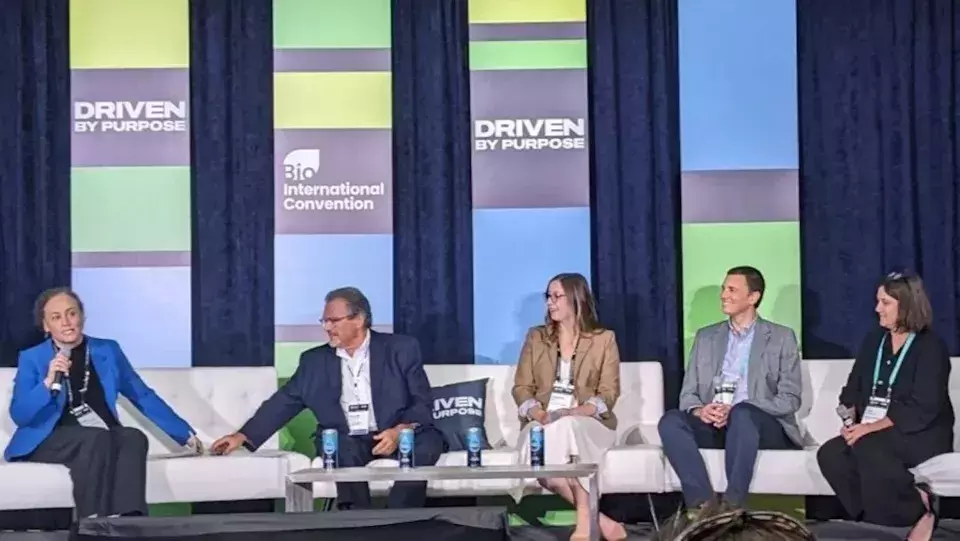
The 2026 BIO conference, held in San Diego from June 22-25, served as a crucial platform where various stakeholders converged to share their positive experiences with this cooperative model. Discussions centered on how state-level forums facilitate coordination with local governments and higher education institutions. This integrated strategy aims to bolster both the size and the skill level of the workforce, ensuring that production demands can be met effectively.
This shift towards collaboration is largely a response to a significant surge in commitments by leading pharmaceutical companies to expand domestic medicine manufacturing and research and development activities. This trend was spurred by import tariffs on pharmaceuticals previously imposed by President Donald Trump, leading many developers to invest billions in constructing new facilities within the U.S. to secure exemptions.
North Carolina has emerged as a key beneficiary of this increased investment. For instance, both Johnson & Johnson and Roche announced substantial investments of $2 billion each in the state during 2025 and 2026, respectively. This influx of capital has accelerated the region's biopharma sector growth, making workforce development a paramount concern, as highlighted by Bill Monteith, program manager of NCLifeSci's Biotech Manufacturers Forum (BMF).
Monteith elaborated that the roots of NCLifeSci trace back to the early 1990s when North Carolina's life sciences companies initially banded together to prevent the poaching of employees among themselves. Over the decades, this initiative has broadened its scope to include academic institutions, with a core objective of attracting more university graduates into biopharmaceutical manufacturing roles.
Eli Lilly, a prominent participant in the BMF, illustrates the forum's impact. Jennifer Petty, the company's senior director of human resources, noted that Lilly's rapid expansion in recent years has necessitated its active engagement with the BMF. This platform allows them to openly discuss their escalating talent requirements with other companies facing similar challenges. Lilly has even started pooling its talent pipeline development efforts with those of its competitors, moving away from traditional, secretive recruitment practices. Petty emphasized this collective spirit with the adage, "A rising tide lifts all boats."
The successful model pioneered in North Carolina is now being adopted by smaller biopharma hubs across the U.S. In Oregon, for example, biopharma developers are utilizing Oregon Life Sciences, an organization akin to NCLifeSci, to share hiring plans and initiatives that they would typically guard from direct competitors. James Hulvat, director of Thermo Fisher Scientific's site in Bend, Oregon, confirmed that this open sharing fosters a more robust and responsive talent ecosystem for the entire industry.
The proactive engagement of U.S. drug manufacturers, in conjunction with trade associations and educational bodies, signifies a new era of collaborative workforce development. This unified approach, showcased at the BIO 2026 conference, is proving instrumental in navigating the complex demands of a rapidly expanding domestic pharmaceutical landscape, ensuring a steady supply of skilled professionals for sustained innovation and production.
