Onimusha: Way of the Sword - A Review
Onimusha: Way of the Sword, a reimagining of the beloved classic, delivers an exhilarating combination of signature Capcom action and profoundly physical sword combat. However, this promising title struggles with pacing irregularities, an uninspired hub area, and repetitive optional objectives. While the game's combat system is undeniably engaging, enhanced by the iconic presence of Toshiro Mifune, its overall impact is lessened by the inclusion of excessive grinding and tedious side content.
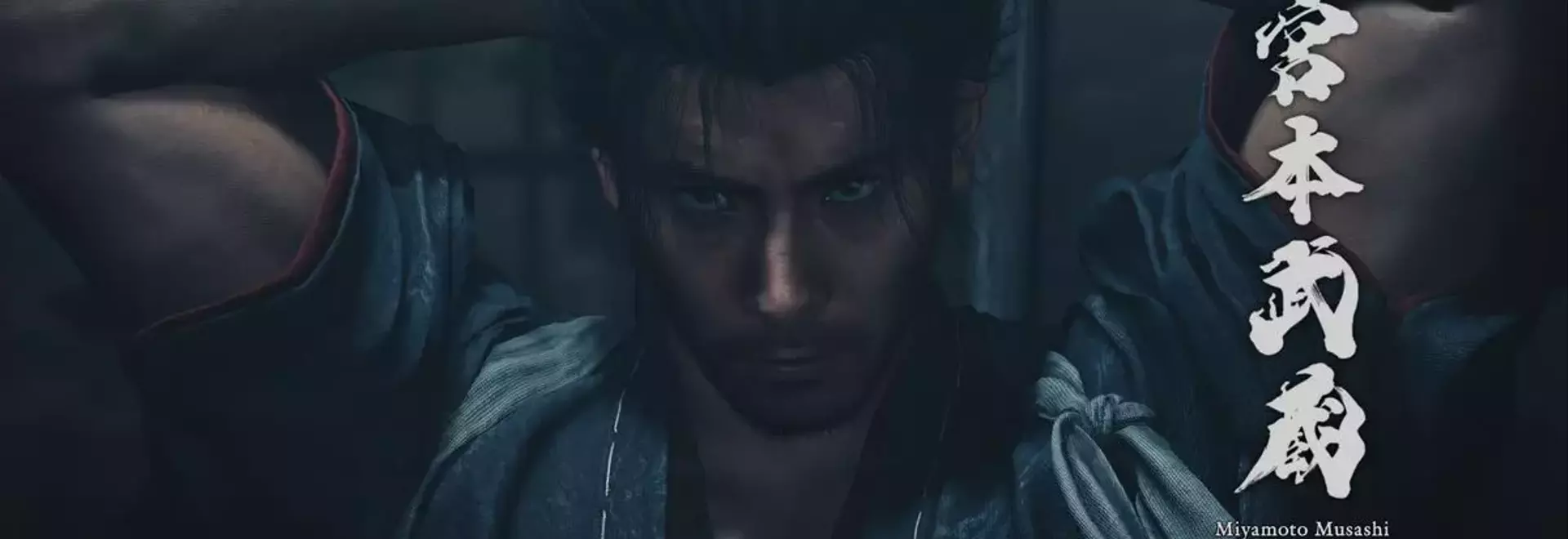
The game's combat mechanics stand out as a highlight, building upon a foundation of impactful swordplay that vividly conveys the sensation of muscle and bone in every strike. The experience escalates, culminating in demanding boss encounters that necessitate a level of precision and strategic parrying reminiscent of titles like Sekiro. Successfully mastering these challenges offers a profound sense of accomplishment, transforming initial struggles into fluid, decisive victories. Beyond the intense adrenaline of its more difficult battles, Onimusha distinguishes itself from the somber tone of FromSoftware games with a vibrant, early 2000s Capcom-esque flair. A particularly noteworthy aspect is the integration of legendary actor Toshiro Mifune’s image as Musashi, a creative choice that, against all odds, elevates the game’s narrative and aesthetic, making it feel like a genuine homage to classic samurai cinema. The expressive facial animations and nuanced gestures of Musashi, coupled with a seamless blend of cutscenes and gameplay, infuse the game with a rich, cinematic quality.
Despite its combat prowess and engaging character portrayal, the game’s protracted narrative journey, spanning approximately 35 hours, reveals its primary flaw: a significant pacing problem. Unlike the concise, focused adventures of its predecessors, Onimusha: Way of the Sword introduces a tedious hub world, an unnecessary crafting system, and recurring boss encounters that diminish the excitement of its otherwise superb action. This design choice, in stark contrast to Capcom’s more streamlined recent releases, forces players through a prolonged experience filled with busywork rather than maintaining a brisk, engaging pace.
The initial third of the game, dedicated to gradually introducing new combat mechanics and establishing Musashi's origin story—including his acquisition of a magical gauntlet that absorbs demonic souls—suffers from a slow build-up. While this deliberate pacing might appeal to those seeking an alternative to the relentless challenge of soulslike games, it means the intricate swordplay truly shines only during boss battles in the later stages. The early encounters, though empowering for Musashi, often lack genuine challenge, contributing to the feeling of a drawn-out introduction.
Kyoto, serving as the game's hub, is marred by uninspired, visually repetitive streets. While occasional diversions, such as discovering hidden pathways to unlock new areas, offer fleeting moments of engagement, they rarely transcend the realm of mere functionality. The primary purpose of Kyoto seems to be a repository for upgrade materials, which, along with respawning enemy gangs, underscores the overall insignificance of time spent in this area. Generic side quests further highlight this issue, offering little more than map icons without encouraging player exploration or critical thinking.
This persistent focus on item collection and repetitive enemy encounters points to an underlying insecurity in the game's design, perhaps an attempt to artificially prolong gameplay. The endless gathering of materials for incremental gear upgrades and the recycled boss fights, complete with minor modifications, contribute to a sense of exhaustion. The narrative even acknowledges this fatigue, with Musashi frequently expressing his weariness of battling familiar foes. By streamlining the upgrade system and minimizing the time spent in Kyoto, the game could have been a much tighter, more impactful experience, focusing on its core strength: the thrilling boss encounters. What ultimately redeems the sprawling gameplay is the sheer thrill of each boss fight. The impactful clang of steel, the dynamic camera work that accentuates Musashi's blade deflections, and the visceral shower of sparks all combine to create a deeply satisfying experience, even after dozens of hours of play. These battles consistently deliver a primal excitement, leaving players with a lingering desire for more.
The core of the combat system revolves around precisely timed parries to build a "burning" meter, which enhances blade damage, followed by a deflect technique to deplete enemy stamina for critical hits. Executing this strategy, however, is far from straightforward. Misjudging a parry often results in a blocked attack that depletes Musashi’s own stamina, plunging the fight into a frantic struggle. Each boss, despite adhering to this fundamental structure, presents unique challenges, demanding adaptable strategies and keen observation. For instance, the miniboss Byakue, with its axe-wielding, talisman-covered form, reveals new, terrifying moves—like a soul-sucking maw and explosive attacks—upon breaking Musashi’s guard, forcing players to quickly learn and adapt. Unlike the complex button inputs required in games like Nioh, Onimusha prioritizes cinematic impact and intuitive mechanics. Sword clashes involve either rapid attack mashing to overpower an opponent or a brief minigame of alternating light and heavy strikes to outmaneuver them, culminating in a satisfyingly brutal blow. This design makes every interaction feel visually spectacular and deeply gratifying, thanks to detailed physics and animations that depict enemies staggering or being bisected in a dramatic, anime-inspired fashion. Despite its potential, Way of the Sword only hints at making these physics interactions a central feature, leaving room for future installments to fully realize their impact. Nevertheless, these elements effectively convey Musashi’s physical presence, making him feel substantial and dynamic in combat.
The strategic depth largely stems from Musashi's secondary Oni Armaments, each playing a crucial role in combat, from siphoning health and power from enemies to drastically reducing their stamina. The temptation to reserve these powerful abilities for the perfect moment is strong, but delaying their use risks an enemy counterattack that can steal accumulated souls. This creates a compelling dynamic between patience and aggression, often leading to sudden, game-changing defeats when a rhythm is lost during critical moments. The game excels in the clarity of its action, offering boss attack patterns that, while challenging, are always decipherable, a testament to Capcom's decades-long expertise in game design. The character designs maintain the series' signature panache and humor, exemplified by a memorable boss who embodies a demigod rockstar with an exaggerated pompadour, adding a unique and entertaining twist to the narrative.
The game's visual performance on a 9070 XT, consistently hitting 120 frames per second with maximum settings and AMD FSR4, is impressive. Barring minor hitches during loading screens and cutscene transitions, the performance is stellar. The RE Engine showcases some of Capcom's best facial animations, art direction, and cinematic sequences to date. This makes the frequent return to Kyoto’s perpetually overcast and drab environments a puzzling artistic choice, underscoring a missed opportunity for visual variety and vibrancy.
A more concise, linear Onimusha, devoid of extraneous collectibles and repetitive tasks, would undoubtedly have delivered an experience of pure, unadulterated quality. Yet, even with its padding, it stands as a strong contender for the year's best combat-driven game, a standard that Capcom was expected to meet. What truly sets this game apart is its commitment to honoring Toshiro Mifune's legacy. It transforms the initial concept of digitizing a famous actor into a profound exploration of Musashi's evolution from an arrogant wanderer to a noble warrior. The inclusion of historical figures like Lady Murasaki, depicted as a fierce young girl more concerned with Kyoto's citizens than Musashi, enriches the narrative significantly. The portrayal of a formidable antagonist further elevates the experience, making the game not just an action title but a compelling historical drama. This imaginative alternate history, reminiscent of the engaging FMVs of Command & Conquer Red Alert, propels the game to a higher tier. Anticipation for a sequel, perhaps titled "Way of the Two Swords," is certainly high.
