Nurturing Open Communication: A Parent's Guide to Post-School Conversations
This report delves into effective strategies for parents to foster open communication with their children following the school day. It addresses the common tendency of parents to inundate their children with numerous questions upon their return, and introduces a more empathetic and patience-driven approach. The core message emphasizes that genuine connection is not forged through interrogation, but rather through creating a supportive environment where children feel empowered to share their experiences willingly. By understanding the cognitive and emotional demands of a school day on children, parents can cultivate deeper and more meaningful interactions, transforming routine pickups into opportunities for authentic bonding.
Unlocking Children's Day: A Fresh Perspective on Post-School Dialogue
As the bustling energy of the school day concludes, many parents eagerly anticipate reconnecting with their children, their minds brimming with questions about lessons learned, friendships forged, and daily activities. However, a recent and widely circulated piece of advice from child development specialist Caley Kukla, an expert in early intervention and parent coaching, presents a groundbreaking perspective: the traditional barrage of questions might actually be hindering genuine communication. This insightful guidance, which surfaced in a captivating online video, challenges parents to reconsider their approach to post-school interactions, moving away from an interrogative style towards one rooted in empathetic understanding and patience.
Kukla emphasizes that the school environment, filled with new challenges, social dynamics, and learning demands, can be mentally and emotionally taxing for young minds. Children, much like adults after a long and demanding day, often experience a state of 'demand fatigue.' When met with a cascade of questions upon their return home, what parents intend as loving inquiry can be perceived as an additional burden, leading to cognitive depletion rather than open dialogue. Instead of immediately seeking detailed accounts of their day, Kukla suggests that parents initiate the reunion with simple, heartfelt expressions of welcome and warmth. Phrases such as, “It’s wonderful to see you,” or “You’ve been on my mind today,” create an immediate sense of reconnection without imposing the pressure of an expected response.
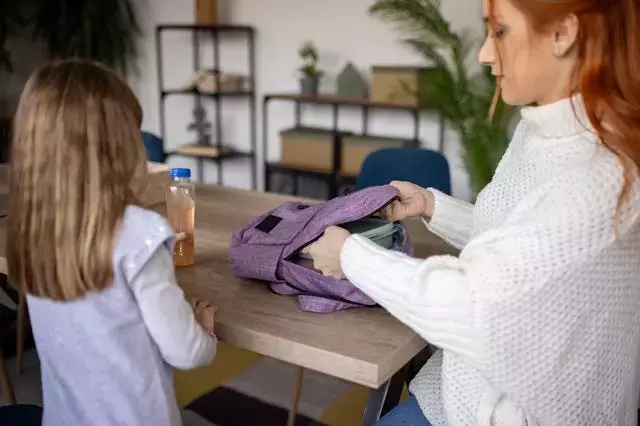
Following these initial greetings, the key lies in patient observation and allowing the child to set the pace for sharing. By waiting for them to express their energy and mood, parents can better gauge their child’s readiness to communicate. Whether a child is bubbling with excitement, appears fatigued, or seems a little frustrated, understanding their emotional state enables parents to respond more appropriately. This mindful approach, coupled with the thoughtful provision of a nourishing snack, transforms the after-school reunion into a nurturing space where children feel seen, heard, and unpressured, ultimately encouraging them to share their day’s adventures more freely and authentically.
This innovative perspective on parent-child communication offers a profound revelation for any parent seeking to deepen their bond and truly understand their child's experiences. It reminds us that authentic connection is not about extracting information, but about creating an atmosphere of trust and emotional safety where sharing happens organically. As a parent, this advice inspires a shift from being an interrogator to becoming a compassionate companion, fostering an environment where children feel truly seen and understood, not just questioned. It's a powerful lesson in empathy, teaching us that sometimes, the most profound conversations begin not with a question, but with an open heart and a patient presence.
