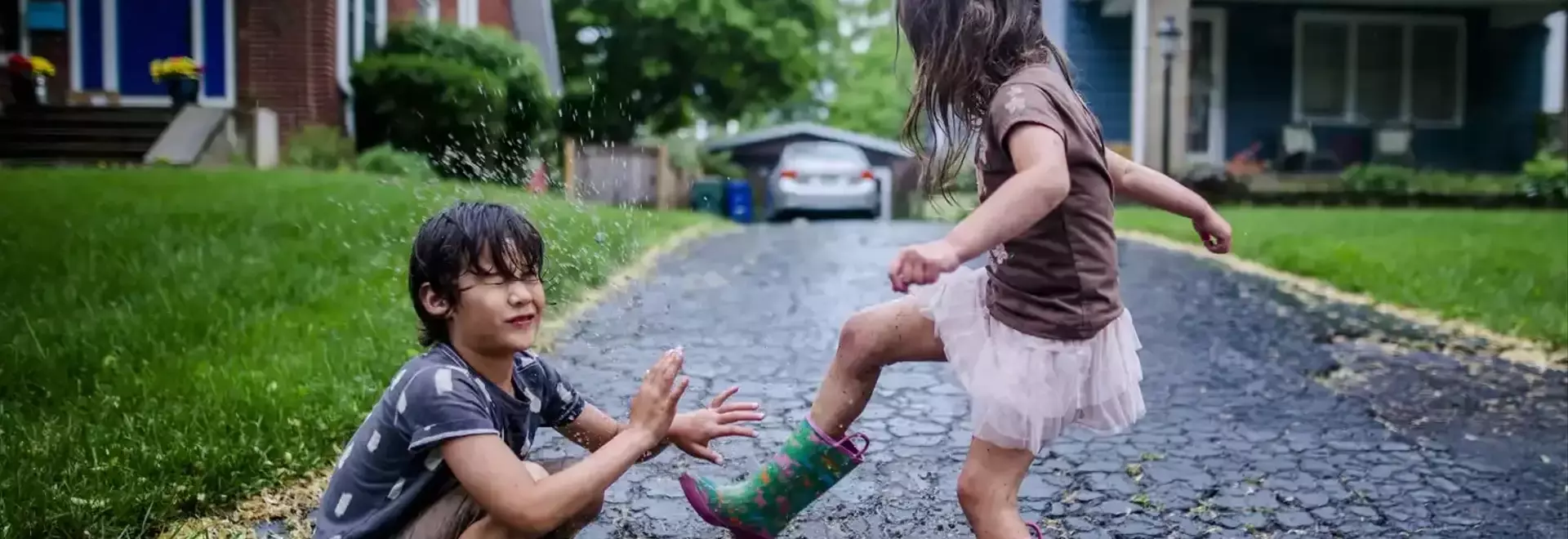
Nurturing Growth: The Power of Natural Consequences in Child Development
ParentsKids

Nurturing Growth: The Power of Natural Consequences in Child Development

authorBy Nigel Latta
DateMar 27, 2026
Read Time3 min
The journey of parenthood often involves navigating a delicate balance between guiding children and allowing them the freedom to learn from their own experiences. One powerful yet often underestimated approach is embracing natural consequences, a method that encourages children to understand the direct outcomes of their choices without constant parental intervention. This strategy, when applied thoughtfully and safely, can be instrumental in fostering essential life skills such as critical thinking, problem-solving, and independence.

Empowering Young Minds: Learning Through Life's Lessons

Understanding Natural Consequences in Child Rearing

Natural consequences represent the organic outcomes that arise from a child's actions or inactions, rather than those imposed directly by a parent. This approach shifts the learning focus from external rules to internal understanding, allowing children to connect their behavior with real-world repercussions. It's a method that values experiential learning, recognizing that some of the most profound lessons come from personal encounters with reality.

Key Considerations for Implementing Natural Consequences

Before allowing natural consequences to unfold, it is paramount to prioritize a child's safety. This means discerning situations where direct intervention is necessary—such as enforcing helmet use or applying sunscreen—from those where a child can safely experience the results of their decisions. The developmental stage of the child is also crucial; older children and adolescents are generally better equipped to grasp cause-and-effect relationships and engage in consequential thinking. For younger children, scenarios must be carefully selected to ensure they are age-appropriate and manageable.

Guiding Children Through the Process of Natural Learning

Parents play a vital role in facilitating learning through natural consequences. This involves clearly articulating the potential outcomes of a child's choices beforehand, ensuring they understand the link between their actions and the subsequent results. Maintaining consistent boundaries and expectations, even when embracing natural consequences, is also key. When a child faces an undesirable outcome, parental support and empathy are essential. This is not a time for judgment or recrimination, but rather an opportunity for reflection and growth, encouraging children to analyze their choices and consider alternative behaviors for the future.

The Transformative Benefits of Experiential Learning

Adopting natural consequences as a parenting tool can significantly reduce power struggles between parents and children. Instead of engaging in protracted negotiations, parents can offer simple reminders of potential outcomes, allowing children to take ownership of their decisions. This method encourages children to internalize lessons, understanding the 'why' behind actions rather than simply complying with rules. It cultivates critical reasoning, enhances problem-solving capabilities, and nurtures independent thought, empowering children to navigate their world with greater autonomy and wisdom. Ultimately, this approach aims to equip children with the skills to think for themselves and make informed choices, with parents serving as supportive guides rather than constant overseers.

More Articles
ParentsKids
Nurturing Each Child: Strategies for Parental Connection
Parenting multiple children involves a delicate balance of providing individual attention and fostering self-worth. This article explores effective techniques to make each child feel uniquely loved and valued, preventing negative behaviors that may arise from feelings of neglect. Discover six powerful ways to strengthen your bond with every child, ensuring they feel secure and cherished within the family unit.
By Adele FaberMar 27, 2026
ParentsKids
Understanding and Addressing School Anxiety in Children
School anxiety affects a significant number of children, manifesting differently across age groups from daycare to elementary school. This article explores the various causes and symptoms of school-related anxiety and provides expert-backed strategies for parents to help their children cope. Early recognition and appropriate interventions are crucial for managing these fears effectively.
By Adele FaberMar 27, 2026
ParentsKids
Understanding the Brit Milah: Jewish Circumcision Traditions and Modern Adaptations
This article explores the Jewish circumcision ritual, Brit Milah, detailing its historical and religious significance. It covers the traditional ceremony, the roles involved, the timing of the procedure, and modern adaptations by Jewish families. The piece also discusses the inclusive nature of these celebrations and alternative naming ceremonies for baby girls, emphasizing personal choice in observing traditions.
By Tiffany JewellMar 27, 2026
ParentsKids
Henry Danger: The Movie - A Family Adventure
The movie "Henry Danger: The Movie" is now available for streaming on Paramount+ and airing on Nickelodeon, offering families an accessible viewing experience. It brings back beloved characters such as Henry, Piper, and Schwoz, delighting fans with familiar faces. The film introduces an engaging new storyline where a superfan joins Kid Danger, promising fresh and exciting adventures for all.
By Kim John PayneMar 27, 2026
ParentsKids
Enhancing Preschoolers' Gross Motor Skills Through Engaging Activities
This article explores a diverse range of indoor and outdoor activities designed to foster gross motor skill development in preschoolers. From creative play to structured games, these suggestions emphasize fun and engagement to help children build strength, coordination, balance, and social skills essential for their physical and cognitive growth.
By Cathy GlassMar 27, 2026