Nomad Foods Expects Second-Quarter Sales Dip, Stable EBITDA
Nomad Foods is currently reassessing its earnings per share (EPS) forecast as it navigates a significant debt refinancing initiative. This comes amidst projections of another quarter marked by reduced sales figures for the frozen food enterprise.
In a recent business update, the New York-listed firm disclosed plans to issue €800 million ($914.7 million) in debt, set to mature in 2033. This strategic move aims to substitute its existing notes of equivalent value, which are scheduled for repayment in 2028. Chief Executive Dominic Brisby characterized the current period as a "transition year," a sentiment he had previously articulated when discussing the company's 2025 financial outcomes in February. The company continues to project an overall revenue decrease for the entire fiscal year, with a forecasted drop of 2.5% to 3.5% for the second quarter, both on a reported and organic basis. Moreover, second-quarter adjusted EBITDA is expected to remain largely unchanged compared to the previous year's corresponding period, with estimates ranging between €120 million and €126 million, a slight adjustment from the €129 million reported in the prior year, which saw a 7.2% decline.
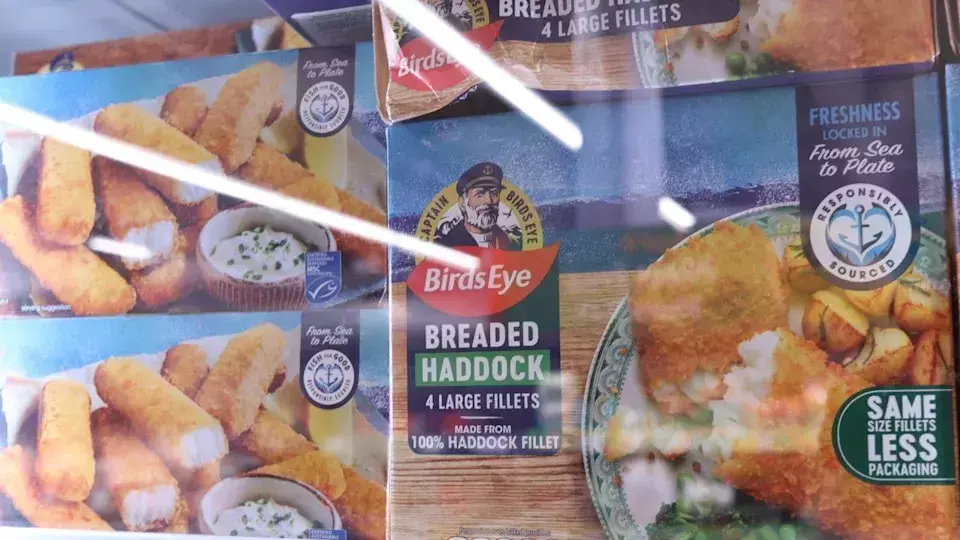
Brisby conveyed satisfaction with the projected second-quarter results, indicating they are set to surpass earlier expectations. He affirmed the company's commitment to achieving its full-year targets for organic sales and adjusted EBITDA. The company highlighted sustained growth within its category and the positive impact of recently implemented price increases on its gross margin for the quarter. Nomad Foods recorded an 0.8% decrease in sales for the second quarter of fiscal 2025, amounting to €747 million, with an organic decline of 1.1%. Volumes also saw a 1% reduction, and adjusted EPS fell by 9.1% to €0.40. Previously, in May, management had adjusted its full-year adjusted EPS guidance to €1.47-€1.62, up from €1.45-€1.60, attributing this to increased share repurchase activities in the first quarter. For 2026, the company maintains its outlook of a 2% to 5% reduction in organic revenue and a 5-10% decrease in adjusted EBITDA. Brisby acknowledged a loss in value share, despite retaining market share for its prominent brands like Birds Eye and Findus. Chief Financial Officer Ruben Baldew reinforced that the company's foundational strengthening strategies are proving effective, making it an opportune moment to refinance its debt. While this may initially lead to higher interest expenses, he stated that measures would be taken to mitigate this impact over time, primarily through reducing net debt.
In summary, Nomad Foods is actively managing a period of financial adjustment and strategic refinancing. The company's proactive steps to restructure its debt and optimize operational efficiencies demonstrate a strong commitment to long-term stability and growth. By focusing on core brand strength and implementing thoughtful pricing strategies, Nomad Foods is navigating current market challenges with resilience, aiming to emerge stronger and more competitive. This forward-thinking approach underscores a dedication to sustained value creation and positive future performance.
