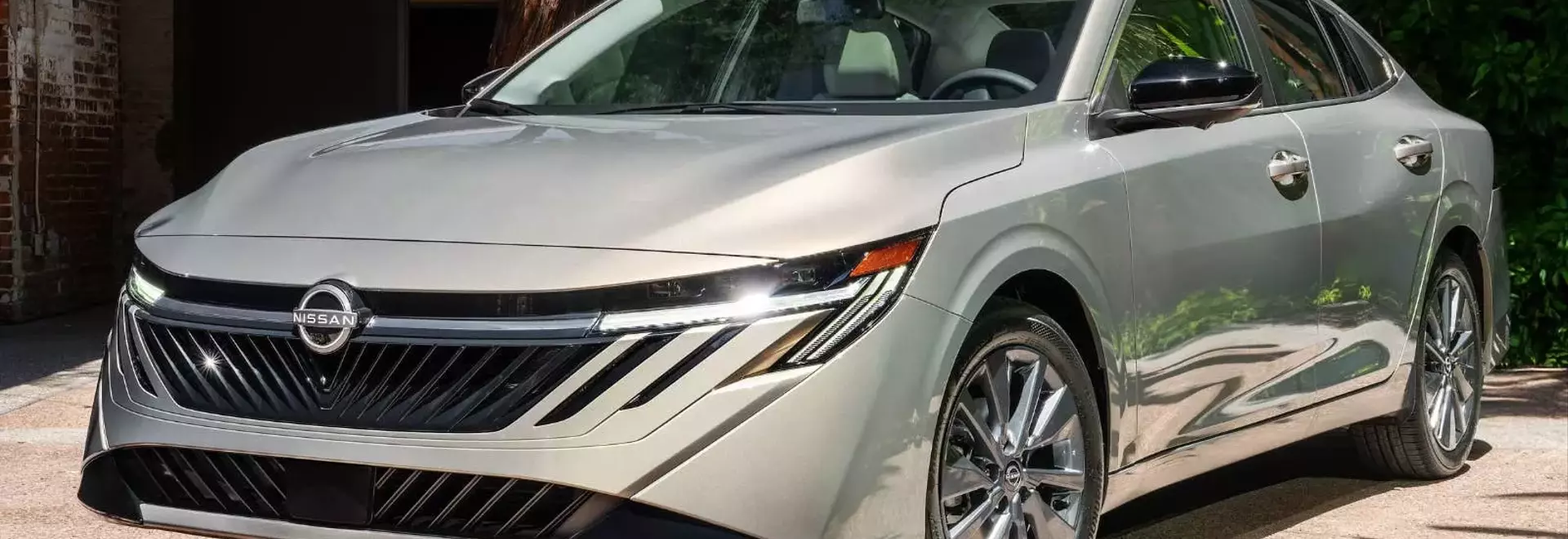
Nissan's Challenge: Manufacturing Affordable Vehicles in the U.S.
Cars

Nissan's Challenge: Manufacturing Affordable Vehicles in the U.S.

authorBy Edward Loh
DateApr 02, 2026
Read Time2 min

The automotive industry is grappling with increasing costs, and tariffs imposed by the U.S. government are exacerbating the situation for car manufacturers. These additional expenses are eventually passed on to consumers, driving up new vehicle prices that are already at historic highs. While some major brands like Hyundai have responded by increasing domestic production to circumvent these tariffs, this strategy is not feasible for all automakers, particularly those focused on the entry-level segment.

For companies like Nissan, which rely heavily on affordable models to attract a broad customer base, the economics of U.S. manufacturing present a unique challenge. Christian Meunier, a Nissan executive, emphasized that the cost structure within the U.S. makes it unviable to produce inexpensive vehicles profitably. Models such as the Nissan Sentra and Kicks, priced around $22,000, would see their production costs skyrocket if moved to the U.S., pushing them out of reach for their target demographic. Currently, these vehicles are manufactured in Mexico, but even with this cost advantage, tariffs add an extra $2,500 to $3,000 per car, severely impacting profit margins and the overall affordability for consumers.

Given the difficulties of domestic production for budget cars, Nissan is actively lobbying U.S. officials to reduce tariffs on Mexican-made vehicles. This push for tariff relief is particularly relevant as the USMCA agreement comes under review, transforming a typically straightforward process into complex negotiations involving trade, migration, and political considerations. Nissan's objective is not to evade regulations but to preserve the affordability of its vehicles in a market where the average new car price is nearing $50,000. The discontinuation of models like the Nissan Versa, once available for under $20,000, underscores the shrinking availability of truly affordable cars. The success of Nissan's efforts in securing tariff reductions will determine whether budget-friendly models continue to be imported or if their pricing becomes untenable in the U.S. market.

In an evolving global economy, the automotive industry exemplifies the delicate balance between trade policies, manufacturing costs, and consumer accessibility. The ability to innovate and adapt, coupled with advocating for fair and practical trade policies, will be crucial in ensuring that vital goods remain within reach for all segments of the population. This pursuit of balance not only supports businesses but also upholds the principle of economic equity.

More Articles
Cars
Jeep Gladiator to Reintroduce Manual Transmission, Challenging Toyota Tacoma's Dominance
Jeep is set to bring back the manual transmission option for its Gladiator pickup, directly competing with the Toyota Tacoma, which is currently the sole manual truck in the US market. This decision follows a quiet discontinuation in the 2025 model refresh and aligns with a growing interest among enthusiasts for manual vehicles, especially in the off-road segment. The move is also seen as a strategic response to past recall issues and a desire to reinforce Jeep's brand identity.
By Larry ChenApr 02, 2026
Cars
DeWalt's High-Lumen Work Light Sees Significant Price Reduction on Amazon
The DeWalt 20V Max LED Work Light, a favored tool among professionals across various trades and DIY enthusiasts, is currently available at a substantial discount on Amazon. Originally priced at $109, it can now be purchased for $69, representing a saving of over 30%. This powerful work light boasts four bright LEDs, offering up to 1,500 lumens of illumination, a 90-degree pivoting head for directional lighting, and an impressive throw distance of over 500 yards. Its versatility and robust performance have garnered nearly 1,900 five-star ratings, cementing its reputation as a valuable asset for diverse work environments.
By Chris HarrisApr 02, 2026
Cars
Hyundai and Genesis to Unveil 58 New Models by 2030 in North America
Hyundai and its luxury division, Genesis, are set to dramatically expand their North American offerings, introducing a combined 58 new or refreshed models by the close of 2030. This ambitious strategy includes a diverse range of vehicles—from traditional passenger cars and SUVs to commercial vehicles and high-performance N-badged models—aiming to cater to a broad spectrum of consumer preferences. The initiative highlights a significant investment and a forward-looking approach to powertrains, including gasoline, hybrid, and electric options, alongside innovative range-extending EVs.
By Larry ChenApr 02, 2026
Cars
Audi's Five-Cylinder Engine: A Global Farewell (Almost)
Audi's iconic 2.5-liter five-cylinder engine faces an impending end in European markets by mid-2027 due to stricter Euro 7 emissions regulations. However, the beloved powertrain will continue to power the high-performance RS3 in non-European regions, offering a reprieve for enthusiasts outside the continent. This shift highlights a growing trend of powerful engines being phased out in Europe due to evolving environmental standards.
By Akira MarutaApr 02, 2026
Cars
Unleashing the Inner Racer: States with the Highest Speed Limits
This article explores the US states that boast the highest speed limits on their highways, catering to drivers who enjoy a spirited journey. It highlights Texas's leading 85 mph limit on State Highway 130 and details the eight states allowing 80 mph, alongside Maine, Michigan, and Kansas with 75 mph zones. The piece emphasizes the thrilling yet cautious approach required for high-speed driving.
By Larry ChenApr 02, 2026